Beef Bulgogi (Korean BBQ Beef)
Prep 50 min · Cook 10 min · Serves 4 ·
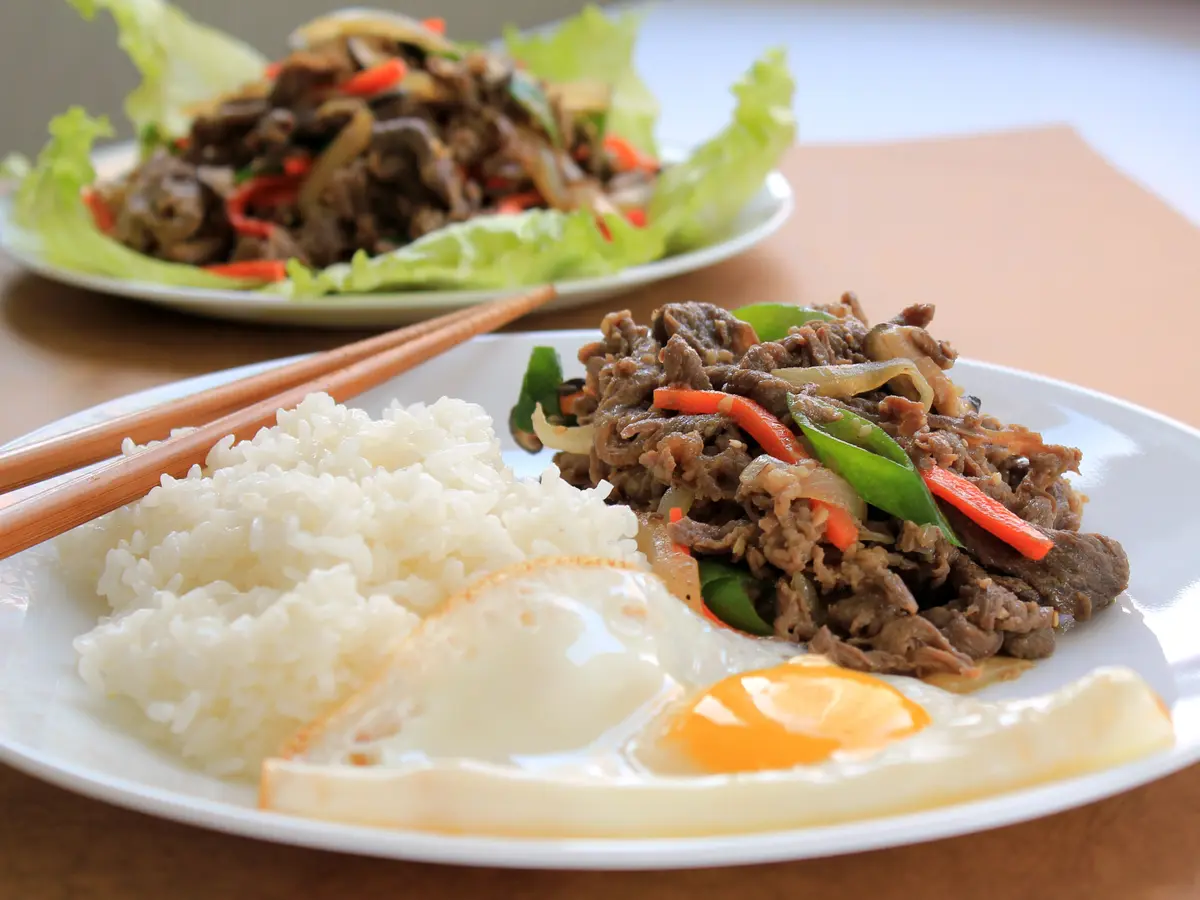
Bulgogi (pronounced bool-GO-gee, with a hard g in both syllables) means "fire meat" in Korean: paper-thin slices of beef soaked in a sweet-savory marinade of soy sauce, garlic, sesame oil and grated pear, then cooked fast over high heat. At Korean BBQ restaurants it is grilled at the table, but a heavy skillet at home gets you the same caramelized edges. The two things that decide whether your bulgogi turns out tender or chewy are how thin you slice the beef and how hot your pan is, so this recipe spends most of its time on those. Plan on about 20 minutes of hands-on prep, at least 30 minutes of marinating (plus 30 to 45 minutes in the freezer if you slice the beef yourself), and under 10 minutes at the stove. Serve it over rice or wrapped in lettuce leaves.
Recipe
Beef Bulgogi (Korean BBQ Beef)
Prep 50 min · Cook 10 min · Serves 4
Ingredients
- 1 1/2 lb (680 g) boneless ribeye or top sirloin steak, or pre-sliced bulgogi beef
- 5 tbsp (75 ml) soy sauce (regular, not dark soy)
- 3 tbsp (about 36 g) packed light brown sugar
- 1/2 cup (about 120 g) finely grated Asian pear, or 1 small Fuji or Gala apple, grated
- 1 1/2 tbsp (about 15 g) minced garlic (4 to 5 cloves)
- 1 tsp (5 g) grated fresh ginger (optional)
- 2 tbsp (30 ml) mirin or Korean cooking wine (mirim)
- 2 tbsp (30 ml) toasted sesame oil
- 1/2 tsp (1 g) ground black pepper
- 1 medium yellow onion (about 150 g), thinly sliced
- 4 scallions (about 60 g), cut into 2-inch (5 cm) pieces, plus 1 sliced thin for garnish
- 1 to 2 tbsp (15 to 30 ml) neutral oil, such as canola or vegetable oil
- 1 tbsp (about 9 g) toasted sesame seeds, for garnish
- Steamed short-grain rice and lettuce leaves, for serving
Instructions
- 1If you are slicing the beef yourself, wrap the steak and put it in the freezer for 30 to 45 minutes, until it is firm on the outside but not frozen solid. This makes thin slicing much easier.
- 2Using your sharpest knife, cut the beef against the grain (across the lines of muscle you can see) into slices about 1/8 inch (3 mm) thick. If the slices are wider than your palm, cut them in half. Skip this step if you bought pre-sliced beef.
- 3In a large bowl, stir together the soy sauce, brown sugar, grated pear with its juice, garlic, ginger (if using), mirin, sesame oil and black pepper until the sugar dissolves.
- 4Add the beef, onion and scallion pieces to the bowl. Use your hands (gloves are fine) to massage the marinade into the meat, separating any slices that are stuck together so every piece gets coated.
- 5Cover and refrigerate for at least 30 minutes and up to 12 hours. Take the bowl out of the fridge about 15 minutes before cooking so the meat is not ice-cold when it hits the pan.
- 6Heat a large cast-iron or heavy stainless-steel skillet over medium-high to high heat until very hot, about 2 minutes, then add 1 tbsp of oil and swirl to coat.
- 7Lift about a third of the beef and onions out of the bowl with tongs, letting the extra marinade drip back in, and spread them in a single layer in the pan. Do not crowd the pan, or the meat will steam and turn gray instead of browning.
- 8Let the beef sit undisturbed for about 1 minute to brown, then stir and flip and cook for another 1 to 2 minutes, until no pink remains and the edges look caramelized. Transfer to a serving plate.
- 9Repeat with the remaining beef in batches, adding a little more oil if the pan looks dry. If dark, sticky bits build up and start to smoke, carefully wipe the pan with a damp paper towel held in tongs between batches.
- 10Sprinkle with sesame seeds and the sliced scallion. Serve hot with rice, or spoon onto lettuce leaves and wrap them up to eat by hand.
Choosing and slicing the beef: Ribeye is the most forgiving cut because its fat keeps the thin slices juicy. Top sirloin is leaner and cheaper and works well if you slice it thin. Avoid stew meat or round roast, which stay tough when cooked this quickly. Korean and many Asian grocery stores sell beef already sliced for bulgogi, and thin-sliced beef labeled for hot pot or shabu-shabu also works, though it cooks in about a minute. Why it came out tough or watery: Tough bulgogi almost always means the slices were too thick or cut along the grain instead of across it. Watery, gray bulgogi means the pan was not hot enough or too much meat went in at once. Cook in small batches and leave most of the liquid in the bowl. Because of the sugar, the marinade can scorch quickly; if it smells burnt, turn the heat down slightly. Pear and apple swaps: Asian pear adds sweetness and helps tenderize the meat. A Bosc pear or a sweet apple is a good substitute. If you have no fruit at all, add 1 more tbsp of brown sugar. Do not leave fruit-marinated beef in the fridge for days, since the texture can turn soft and mealy. For mirin, you can use dry sherry, or simply leave it out. Making it spicy: Classic bulgogi is not spicy at all, which makes it a good choice for kids. For gentle heat, toss in a sliced fresh chili while cooking, or sprinkle some gochugaru (Korean chili flakes) over the finished dish. For a bolder, saucier version, stir 1 to 2 tbsp of gochujang (Korean chili paste) into the marinade. Storage: Leftover cooked bulgogi keeps in an airtight container in the fridge for up to 3 days. Reheat it quickly in a hot pan rather than the microwave so it does not dry out. You can also freeze raw beef in its marinade in a flat freezer bag for up to 3 months; thaw it overnight in the fridge and cook as usual. Ways to serve it: Pile it over rice with a fried egg for an easy rice bowl, tuck it into lettuce wraps with a little ssamjang (Korean dipping paste) and sliced garlic, or roll it into kimbap. A side of kimchi cuts through the sweetness nicely. Mushrooms such as shiitake or king oyster, or thin strips of carrot and bell pepper, can be added to the marinade along with the onions.
Related Recipes
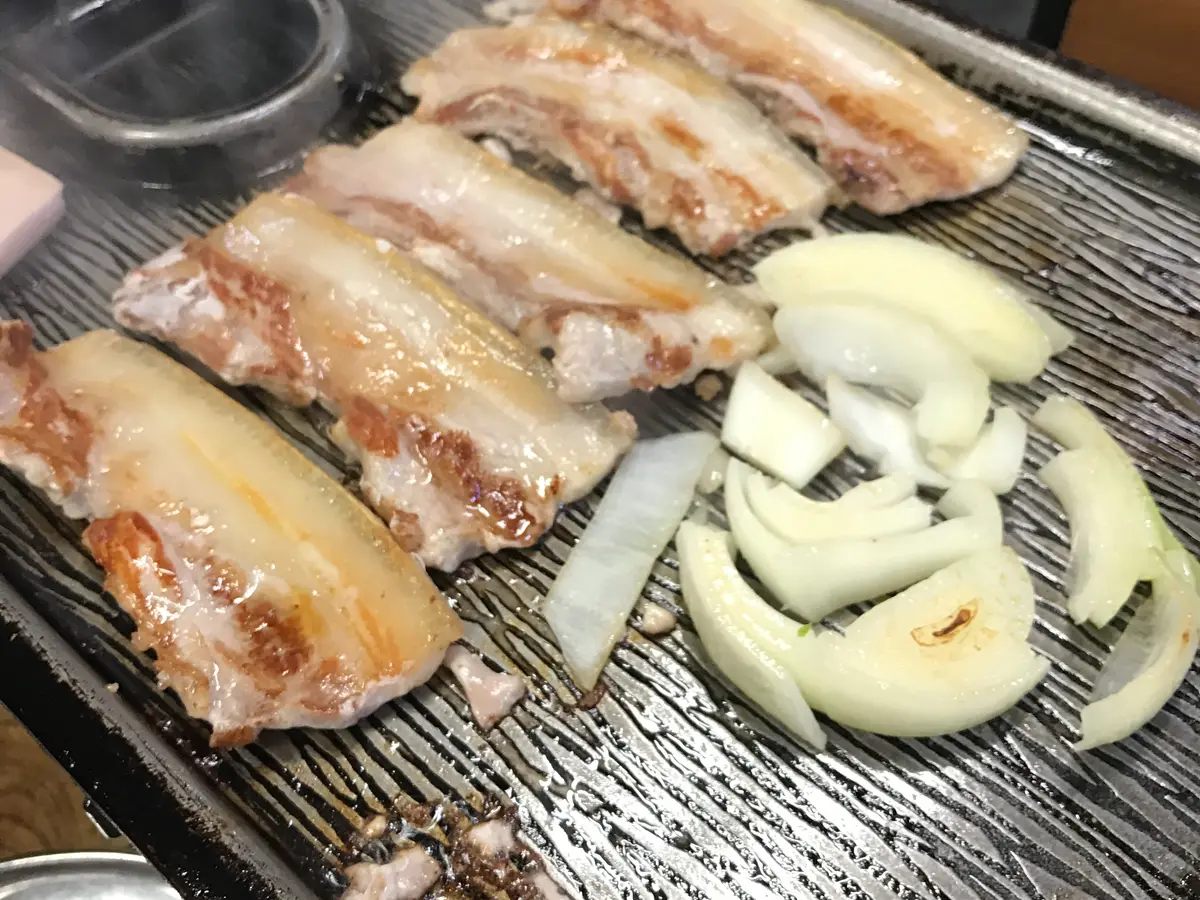
Samgyeopsal at Home (Korean BBQ Pork Belly)
Samgyeopsal at home: Korean pork belly cooked in a skillet, oven or air fryer, with a sesame oil dip, ssamjang and lettuce wraps. Smoke and splatter tips.
55 min
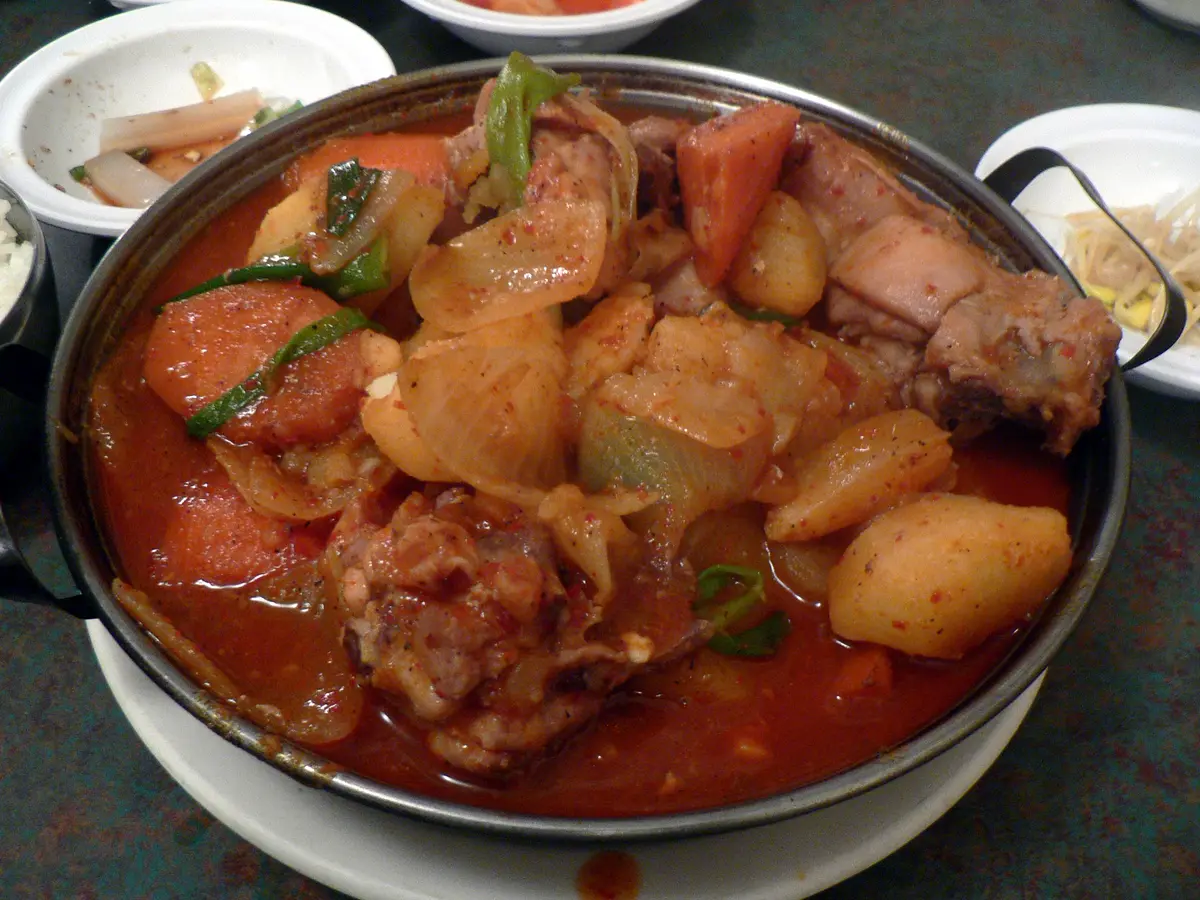
Dakdoritang (Spicy Korean Braised Chicken)
Make dakdoritang (dakbokkeumtang), Korean spicy braised chicken with potatoes in gochujang sauce. One pot, about 75 minutes, plus fixes for greasy sauce.
75 min
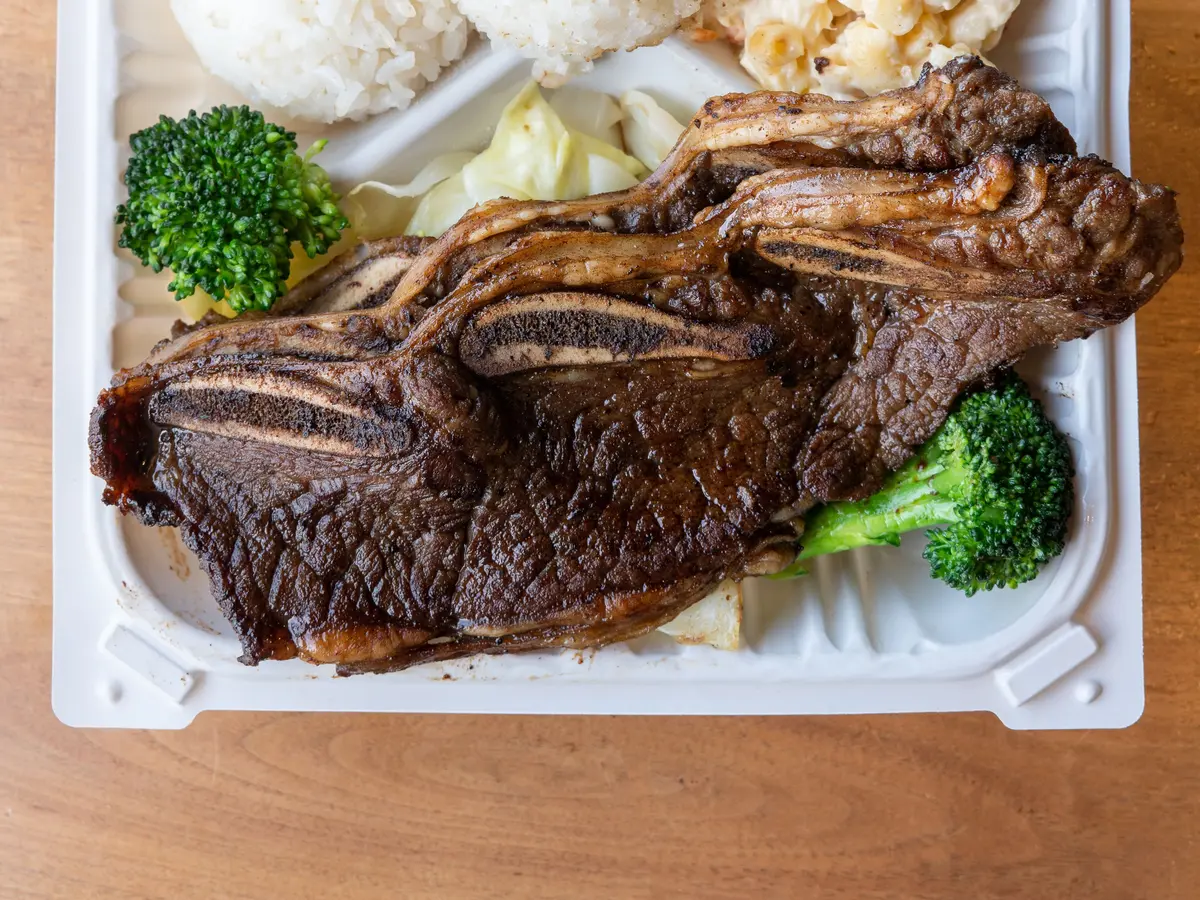
LA Galbi (Korean BBQ Short Ribs)
Korean short ribs recipe (LA galbi): flanken-cut beef in a sweet soy, garlic and pear marinade, cooked on a grill, pan or broiler. Buying and doneness tips.
290 min