Easy Bibimbap at Home (Korean Mixed Rice Bowl)
Prep 20 min · Cook 25 min · Serves 2 ·
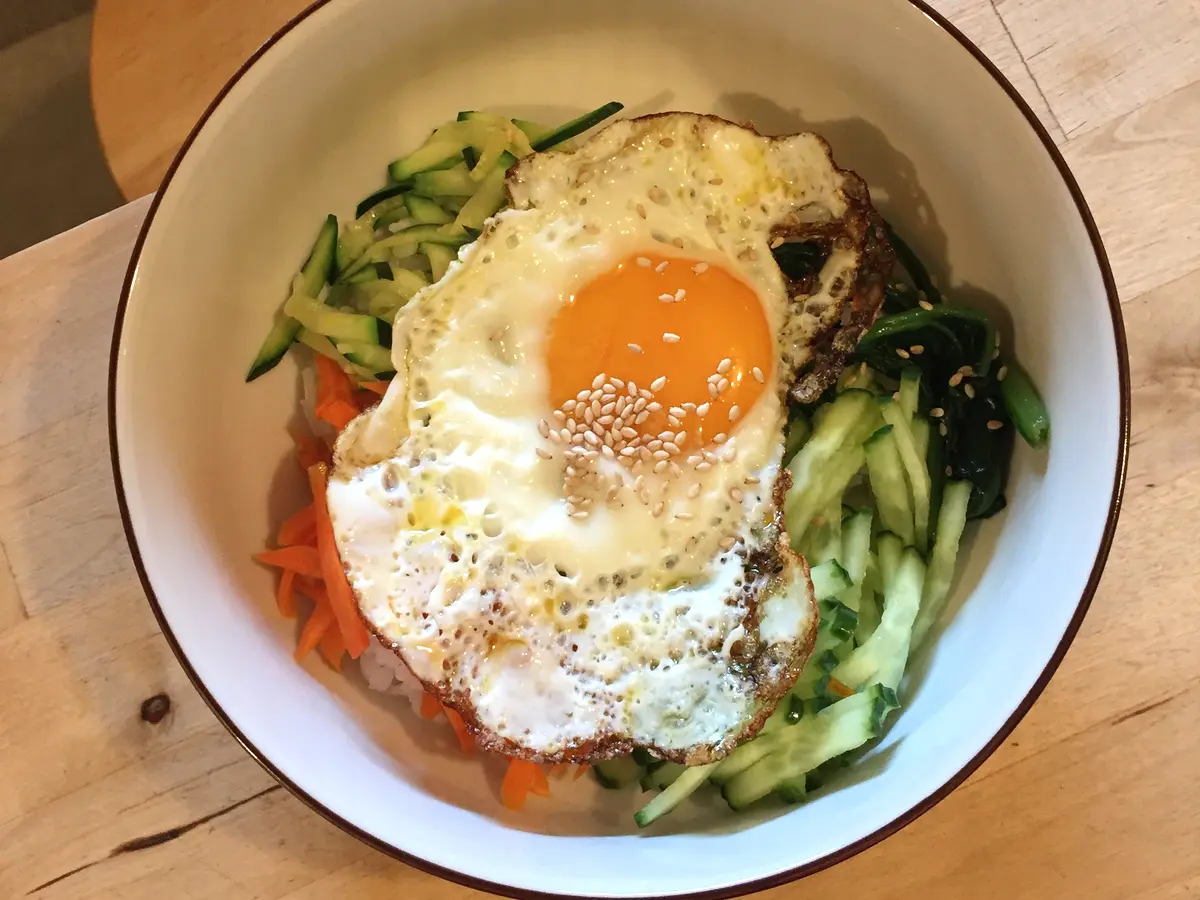
Bibimbap (pronounced bee-bim-bahp) literally means mixed rice: bibim is mixing, bap is rice. You get a bowl of warm rice topped with small piles of seasoned vegetables, a little savory beef and a fried egg, then you stir it all together with gochujang sauce right before eating. Gochujang is Korean fermented red chili paste, sold in red tubs in most large supermarkets. It tastes sweet, salty and gently spicy all at once. The vegetable toppings are called namul: blanched or quickly stir-fried vegetables seasoned with sesame oil, garlic and salt. Each one takes only a few minutes, and if you cook them in the right order you can use a single pot and a single pan. This version uses spinach, bean sprouts, carrot, zucchini and mushrooms, all easy to find outside Korea.
Recipe
Easy Bibimbap at Home (Korean Mixed Rice Bowl)
Prep 20 min · Cook 25 min · Serves 2
Ingredients
- 3 cups (about 550 g) cooked short-grain white rice, kept warm
- 4 oz (115 g) ground beef
- 1 tbsp (15 ml) soy sauce, for the beef
- 1 tsp (4 g) sugar, for the beef
- 3 garlic cloves, finely minced (divided: 1 for the beef, 2 for the vegetables)
- 5 oz (150 g) fresh spinach (about 4 packed cups)
- 4 oz (115 g) soybean sprouts or mung bean sprouts (about 1 1/2 cups)
- 1 medium carrot (about 60 g), cut into thin matchsticks
- 1/2 medium zucchini (about 100 g), cut into thin matchsticks
- 4 fresh shiitake mushrooms (about 60 g), stems removed, thinly sliced
- 2 large eggs
- 2 tbsp (30 ml) toasted sesame oil, divided
- 4 tsp (20 ml) neutral cooking oil, such as canola or vegetable, divided
- 3/4 tsp (4 g) fine salt, divided
- 2 tbsp (about 40 g) gochujang (Korean red chili paste), for the sauce
- 1 tbsp (15 ml) water, for the sauce
- 1 tsp (4 g) sugar or honey, for the sauce
- 1 tsp (5 ml) rice vinegar, for the sauce (optional)
- 2 tsp (about 5 g) toasted sesame seeds, divided
Instructions
- 1Make the sauce: in a small bowl, stir together the gochujang, 1 tbsp water, 1 tsp sugar or honey, 1 tsp rice vinegar (if using), 2 tsp sesame oil and 1 tsp sesame seeds until smooth. Set aside.
- 2Season the beef: in another bowl, mix the ground beef with 1 tbsp soy sauce, 1 tsp sugar, 1 minced garlic clove and 1 tsp sesame oil. Let it sit while you prepare the vegetables.
- 3Bring a medium pot of water to a boil. Add the spinach and cook for about 30 seconds, just until it wilts. Lift it out with tongs (keep the water boiling) and rinse under cold water.
- 4Squeeze the spinach firmly with your hands until no more water drips out, then cut it into 2-inch (5 cm) lengths. Toss with 1/4 tsp salt, 1 minced garlic clove and 1 tsp sesame oil.
- 5Add the bean sprouts to the same boiling water. Cook soybean sprouts for 4 to 5 minutes, or mung bean sprouts for about 1 minute. Drain, rinse briefly with cold water and shake off as much water as you can.
- 6Toss the sprouts with 1/4 tsp salt, the last minced garlic clove and 1 tsp sesame oil. Taste one: it should be lightly salty and nutty, not bland.
- 7Heat 1 tsp neutral oil in a large skillet over medium-high heat. Stir-fry the zucchini with a small pinch of salt for 1 to 2 minutes, until just tender but still bright green. Move it to a plate.
- 8Add another 1 tsp oil to the same skillet and stir-fry the carrot with a small pinch of salt for about 1 minute, until slightly softened. Move it to the plate, keeping each vegetable in its own pile.
- 9Add another 1 tsp oil and cook the shiitake mushrooms with the remaining pinch of salt for 2 to 3 minutes, until soft and lightly browned. Move them to the plate.
- 10In the same skillet, cook the seasoned beef for 3 to 4 minutes, breaking it into small crumbles, until no pink remains and most of the liquid has cooked off.
- 11Wipe out the skillet, add the last 1 tsp oil and fry the eggs sunny-side up over medium heat until the whites are set but the yolks are still runny, about 2 to 3 minutes.
- 12Divide the warm rice between two wide bowls. Arrange the spinach, sprouts, zucchini, carrot, mushrooms and beef in separate piles around the top, place an egg in the center, then drizzle with the remaining 1 tsp sesame oil and sprinkle with the remaining sesame seeds.
- 13Serve with the gochujang sauce on the side. At the table, add 1 to 2 tbsp of sauce to your bowl, break the yolk and mix everything thoroughly with a spoon before eating.
Tips for getting it right: The most common problem is a watery, bland bowl, and it almost always comes from the spinach. Squeeze it harder than you think you need to; a handful of blanched spinach can hold several tablespoons of water. Season every vegetable on its own and taste it, because the toppings should be good enough to eat as small side dishes by themselves. Use warm rice, not cold rice straight from the fridge, or the sauce will not coat the grains evenly. Short- or medium-grain rice (often sold as sushi rice or Calrose) works best because it is slightly sticky and holds the sauce; long-grain rice like jasmine or basmati will taste fine but feel drier. Why the pan order matters: Cooking the light vegetables first (zucchini, then carrot, then mushrooms) and the beef last means you never have to wash the skillet between batches, and the zucchini stays green instead of picking up brown bits. Adjusting the heat: Gochujang is more sweet and savory than fiery, but brands vary. If you are sensitive to spice, start with 1 tbsp of sauce per bowl and add more after tasting, or stir 1 tsp of honey into the sauce. For more heat, add 1/2 tsp of gochugaru (Korean chili flakes) to the sauce. If you cannot find gochujang at all, there is no true substitute, but you can make a mild soy-based version instead: mix 1 tbsp soy sauce, 1 tsp sesame oil and a pinch of sugar and use that to season the bowl. Stone-bowl style: Restaurants often serve dolsot bibimbap in a sizzling stone bowl, which turns the bottom layer of rice golden and crispy. You can get a similar crust at home by brushing a small cast-iron or heavy nonstick skillet with sesame oil, pressing the rice into it, adding the toppings and cooking over medium heat for 5 to 8 minutes without stirring, until you hear crackling and the bottom is crisp. Storage: Store the cooked vegetables and beef in separate airtight containers in the fridge for up to 3 days. Keep the sauce in a jar in the fridge for up to 1 week. Do not refrigerate assembled bowls with the egg. To serve leftovers, reheat the rice until steaming, let the vegetables come to room temperature (they are traditionally served that way), and fry a fresh egg. Variations: For a vegetarian bowl, replace the beef with cubes of firm tofu pan-fried until golden and seasoned with the same soy sauce mixture. Chopped kimchi is a great extra topping; try it with our Easy Kimchi recipe. You can swap in other vegetables you have on hand, such as cucumber matchsticks tossed with a pinch of salt, or bell pepper strips stir-fried like the carrot. A few strips of gim (roasted seaweed snack sheets) crumbled on top add a salty crunch, and a bowl of Kimchi Jjigae on the side turns this into a full Korean dinner.
Related Recipes
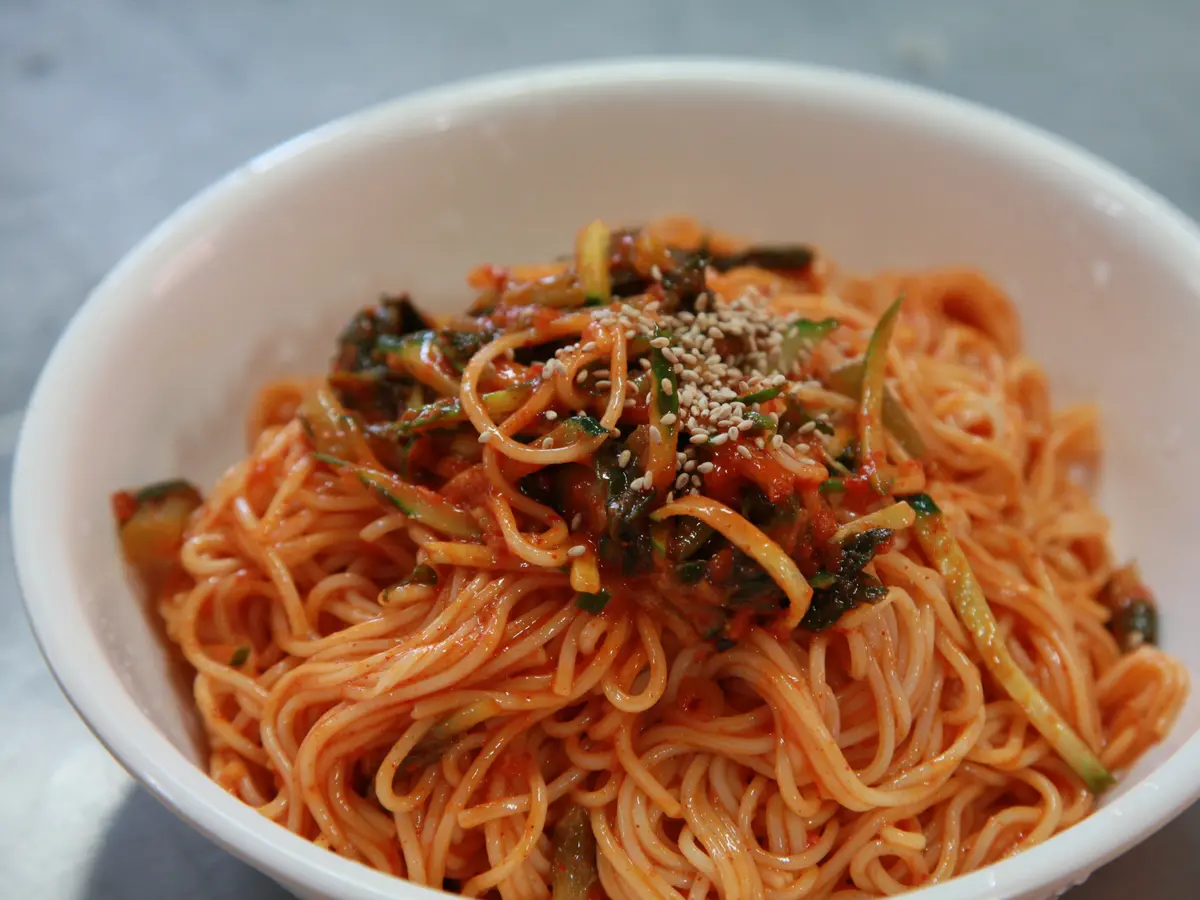
Bibim Guksu (Spicy Korean Cold Noodles)
Easy bibim guksu recipe: thin wheat noodles tossed in a sweet, tangy gochujang sauce with cucumber and egg. About 30 minutes, with mild and hot options.
30 min
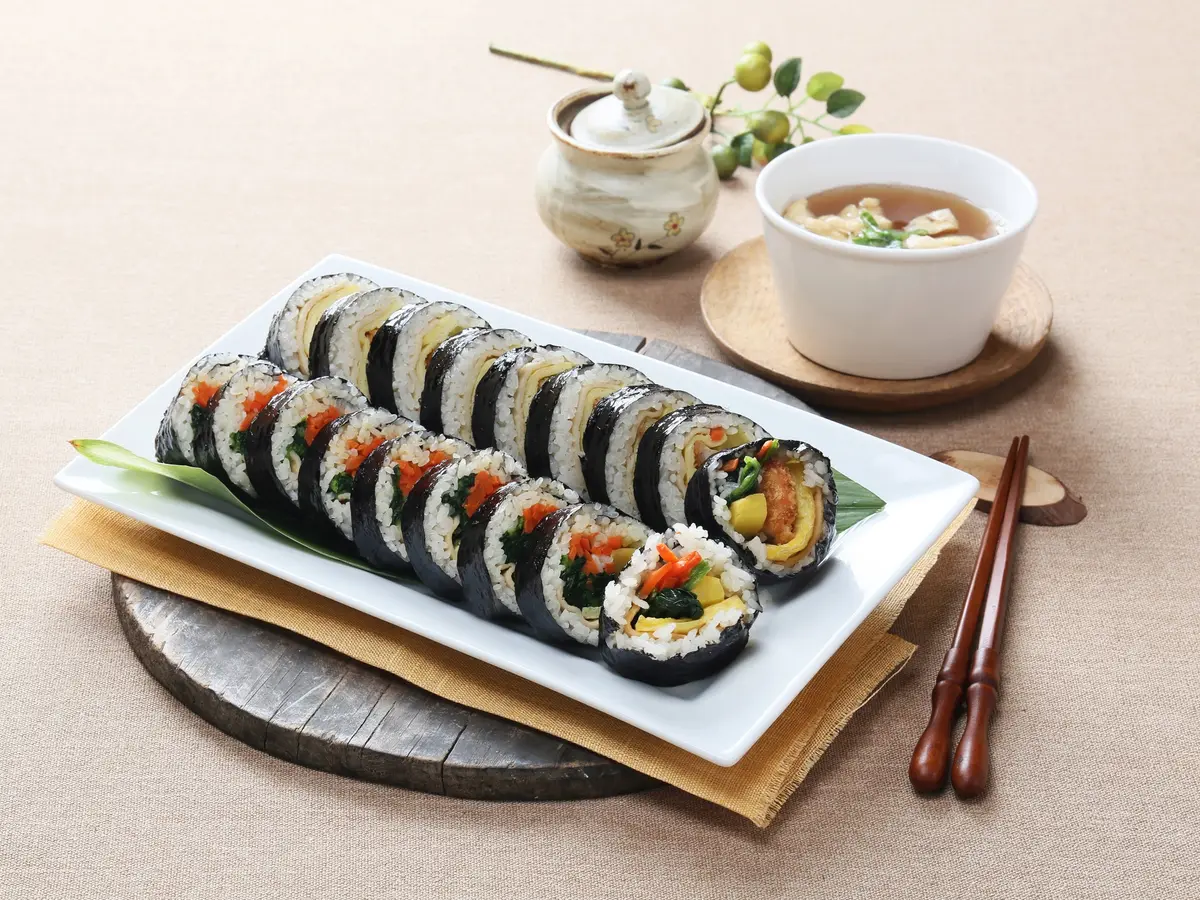
Easy Kimbap Recipe (Korean Seaweed Rice Rolls)
An easy kimbap recipe for beginners: seaweed rolls filled with sesame rice, egg, spinach, carrot and pickled radish, plus tips to stop them falling apart.
55 min
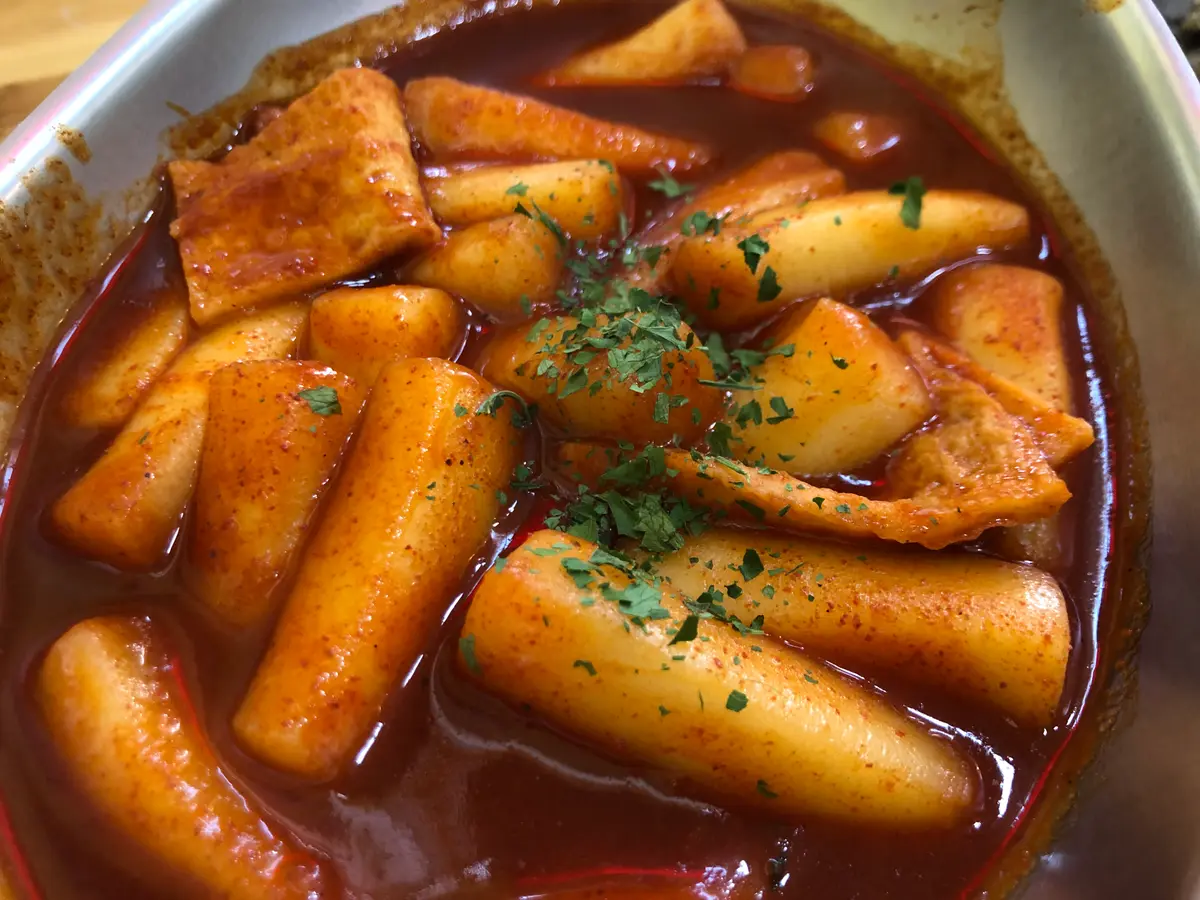
Tteokbokki (Spicy Korean Rice Cakes)
An easy tteokbokki recipe: chewy Korean rice cakes and fish cakes simmered in a sweet, spicy gochujang sauce, with tips on buying rice cakes and a mild option.
40 min