Tteokbokki (Spicy Korean Rice Cakes)
Prep 20 min · Cook 20 min · Serves 2 ·
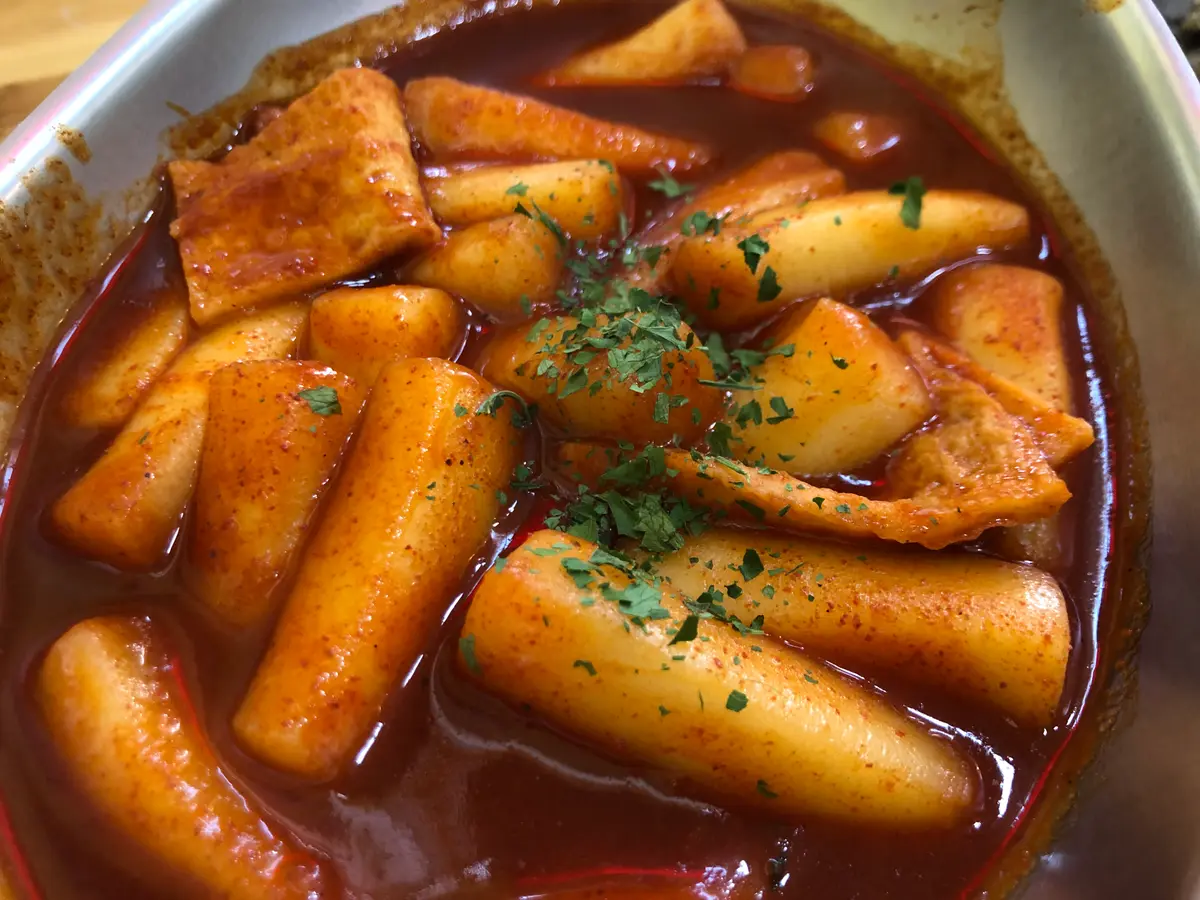
Tteokbokki (pronounced tuhk-boh-kee) is the red, bubbling dish you see at Korean street stalls and snack shops: chewy rice cakes simmered in a thick, glossy sauce that starts sweet and finishes spicy. Tteok means rice cake and bokki comes from the word for stir-frying, though the familiar red version is simmered in sauce instead. Made from regular rice, not sweet glutinous rice, the rice cakes are dense and springy rather than soft and stretchy like Japanese mochi, and nothing like the crunchy puffed rice cakes in the snack aisle. The sauce gets its color and heat from gochujang, a fermented chili paste, and gochugaru, Korean chili flakes. Fish cakes (eomuk) and hard-boiled eggs are the classic add-ins. You will likely need an Asian grocery store or an online order for the rice cakes; the notes below explain what to buy.
Recipe
Tteokbokki (Spicy Korean Rice Cakes)
Prep 20 min · Cook 20 min · Serves 2
Ingredients
- 1 lb (450 g) cylinder-shaped Korean rice cakes (tteokbokki tteok), refrigerated, frozen or fresh
- 5 oz (140 g) flat Korean fish cake sheets (eomuk), optional
- 1 1/2 cups (about 130 g) green cabbage, cut into bite-size pieces, optional
- 3 scallions (about 45 g), cut into 2-inch (5 cm) pieces, white and green parts kept separate
- 2 large eggs, optional, for hard-boiling
- 2 cups (480 ml) water
- 3 tbsp (about 60 g) gochujang (Korean red chili paste)
- 1 tbsp (about 6 g) gochugaru (Korean chili flakes), or leave it out for a mild version
- 2 tbsp (25 g) granulated sugar
- 1 tbsp (15 ml) soy sauce
- 1 tbsp (15 ml) light corn syrup, rice syrup or honey, optional, for a glossy sauce
- 2 garlic cloves, finely minced
- 1 tsp (about 3 g) toasted sesame seeds, optional, for topping
Instructions
- 1If your rice cakes are firm from the refrigerator or freezer, put them in a bowl of warm tap water to soak while you prepare everything else: about 10 minutes for refrigerated rice cakes, 20 to 30 minutes for frozen ones. Once they have softened a little, gently pull apart any pieces that are stuck together. Soft, freshly made rice cakes do not need soaking.
- 2If using eggs, bring a small pot of water to a boil, gently lower in the eggs with a spoon and cook for 10 to 12 minutes. Move them to a bowl of cold water for a few minutes, peel them and cut 3 or 4 shallow slits down the sides of each egg so the sauce can soak in.
- 3If the fish cakes look oily, put them in a strainer and pour hot water over them. Cut them into bite-size triangles or strips about 1 inch (2.5 cm) wide. Cut the cabbage into bite-size pieces and the scallions into 2-inch (5 cm) lengths, keeping the white and green parts separate.
- 4Pour the 2 cups (480 ml) water into a wide, shallow pan, such as a 12-inch (30 cm) skillet with tall sides. Add the gochujang, gochugaru, sugar, soy sauce, syrup or honey (if using) and garlic, and whisk until the gochujang has completely dissolved and no lumps remain.
- 5Bring the sauce to a boil over medium-high heat. Drain the rice cakes and add them to the pan with the cabbage (if using) and the white parts of the scallions. Stir right away so the rice cakes do not stick to the bottom or to each other. If your rice cakes are soft and freshly made, hold them back and add them with the fish cakes instead.
- 6When the sauce returns to a boil, lower the heat to medium so it bubbles steadily. Cook for 5 minutes, stirring every minute or so with a flat spatula and scraping the bottom of the pan so nothing sticks or scorches.
- 7Add the fish cakes and the eggs (if using). Cook for 4 to 6 minutes more, stirring often and spooning sauce over the eggs, until the rice cakes are soft and chewy all the way through and the sauce is thick enough to cling to them. Bite into a rice cake to check, letting it cool for a few seconds first: there should be no hard center. If the sauce gets too thick before the rice cakes are ready, stir in 2 to 4 tbsp (30 to 60 ml) water.
- 8Add the green parts of the scallions and cook for 1 minute more. Taste the sauce and adjust: 1 to 2 tsp more sugar if you want it sweeter, a little more gochugaru for more heat, or a splash of water if it tastes too salty or has become too thick.
- 9Turn off the heat, sprinkle with the sesame seeds (if using) and serve hot, straight from the pan. Cut the eggs in half at the table and mix the yolks into the sauce if you like. Eat it right away, because the sauce thickens and the rice cakes firm up as they cool.
Where to find the rice cakes: Korean and pan-Asian grocery stores sell tteokbokki rice cakes in three main forms: vacuum-sealed bags in the refrigerated case (often near the tofu and fresh noodles), bags in the freezer section and, at some Korean markets and rice cake shops, freshly made rice cakes that are still soft to the touch. Some large supermarkets with a big Asian section carry the refrigerated kind, and online Asian grocers ship them. Labels vary: look for rice cake, rice cake sticks, tteokbokki tteok, topokki or ddukbokki. You want thin, finger-length cylinders; the long, thick cylinders called garae-tteok also work if you cut them into 2-inch (5 cm) pieces and halve them lengthwise. Rice cakes made from wheat flour (mil-tteok), a style many Korean street stalls use, are softer and springier, soak up more of the sauce and cook the same way.
Softening hard rice cakes: Refrigerated and frozen rice cakes feel almost hard straight from the package, and that is normal. Soaking them in warm water softens the outside so they cook evenly, instead of going soft on the surface while the center stays hard and chalky. If you are short on time, drop them into boiling water for 1 to 2 minutes until they soften, then drain. Separate stuck pieces only after soaking, because prying frozen ones apart can crack them. Freshly made rice cakes need no soaking and only a few minutes in the sauce; cooked longer, they turn mushy.
Fish cakes are optional: Korean fish cakes, called eomuk or odeng, are made from fried fish paste and come in many shapes; for tteokbokki, buy the thin, flat, square sheets. Look for them refrigerated or frozen in the same stores as the rice cakes, usually labeled fish cake or fried fish cake. They give the sauce a savory, slightly sweet depth, but tteokbokki is still very good without them, and Japanese fried fish cakes (satsuma-age) can be used the same way. If you leave them out, add a little extra cabbage and taste the sauce at the end; it may need a splash more soy sauce.
If you cannot find tteokbokki rice cakes: Sliced oval Korean rice cakes (tteokguk tteok, sold for rice cake soup) work well; they are thin, so soak them briefly and add them with the fish cakes instead of at the start. Chinese sliced rice cakes, often labeled Shanghai rice cakes, are usually made with regular rice and can be cooked the same way, though they are softer and less chewy. Avoid mochi and other sweet or glutinous rice products, which melt into a sticky mass. Potato gnocchi is sometimes suggested online as a supermarket stand-in; it soaks up the sauce nicely but is soft rather than chewy, so treat it as a different dish.
Adjusting the heat: As written, this tteokbokki recipe is medium-spicy: clearly hot, but rounded out by the sugar. For a mild version, use 2 tbsp gochujang, leave out the gochugaru and include the cabbage and eggs; melted mozzarella on top, or an egg yolk mashed into the sauce, also softens the burn. If you are unsure, start mild and stir in gochugaru 1 tsp at a time during the last few minutes; it is easy to add heat and impossible to take it out. Many gochujang tubs print a heat level on the label, from mild to extremely hot, so a mild or medium-hot tub is a good first buy. For more heat, add 1 to 2 tsp extra gochugaru or a sliced fresh hot chili, such as a serrano.
If you have no gochugaru: Do not swap in cayenne spoon for spoon, because cayenne is much hotter; leave the gochugaru out or use 1/2 tsp sweet paprika plus a small pinch of cayenne. For no chili at all, try gungjung (royal court) tteokbokki, an older soy sauce version made with beef and vegetables; it is a different recipe, not a toned-down version of this one.
Why it turned out wrong: Rice cakes still hard in the middle usually went in cold and stiff, or the sauce thickened before they could soften; add 1/4 cup (60 ml) water, cover and simmer 2 to 3 minutes more. Mushy rice cakes that split apart, or a gluey, stringy sauce, mean they cooked too long, which happens quickly with fresh rice cakes. A burnt or bitter taste means the heat was too high: sugar and chili paste scorch easily, so keep the heat at medium once the sauce boils and scrape the bottom as you stir. A thin, watery sauce needs another minute or two, and it thickens as it cools. Also use a wide pan: in a small, deep pot the sauce takes much longer to reduce, and the rice cakes overcook while you wait.
Storage and reheating: Leftovers keep in an airtight container in the fridge for up to 3 days; the rice cakes turn firm and dense when cold, which is normal. Reheat in a covered pan over medium-low heat with 2 to 3 tbsp (30 to 45 ml) water for about 5 minutes, stirring now and then, until soft and steaming, or microwave covered with a splash of water in 1-minute bursts until hot all the way through. Freezing the cooked dish is not recommended, because the rice cakes lose their chewy texture. Uncooked rice cakes freeze well, though. Once a package is open, keep it tightly wrapped in the fridge and use it within a few days, or freeze the rest in a sealed bag for up to 2 months and soak them before cooking.
Variations: For cheese tteokbokki, scatter a handful of shredded mozzarella over the finished dish, cover and wait about a minute until it melts. For rabokki, add a block of instant ramen noodles (without the seasoning packet) and 1 cup (240 ml) extra water with the scallion greens, and cook for 3 to 4 minutes, until the noodles are tender. For a vegetarian version, skip the fish cakes and add extra cabbage or a sliced onion. For more savory depth, simmer a 4-inch (10 cm) square of dried kelp (dashima, often sold as kombu) in the water for 10 minutes, remove it and top the water back up to 2 cups (480 ml) before adding the sauce ingredients; many Korean cooks use anchovy and kelp stock instead of water for the same reason. Some Korean tteokbokki shops finish the dish with a sprinkle of dried parsley flakes, mostly for color.
Gluten-free: Choose rice cakes made only from rice, use tamari or a gluten-free soy sauce, and check the labels on the gochujang and fish cakes, since most fish cakes and many gochujang brands contain wheat.
What to serve with it: This recipe serves 2 as a meal, or 3 to 4 as a snack with other dishes. At Korean snack shops, tteokbokki often comes with kimbap (seaweed rice rolls), fried dumplings or twigim (battered, deep-fried vegetables and seafood) to drag through the extra sauce. Restaurants that cook tteokbokki at the table often finish with fried rice made in the leftover sauce; at home, stir a bowl of cooked rice, a little sesame oil and some crumbled roasted seaweed into what is left in the pan and fry until hot, much like our Kimchi Fried Rice. If someone at your table does not like spicy food, Japchae and Beef Bulgogi are mild dishes to serve alongside. For young children, cut the rice cakes into small pieces and stay with them while they eat, since dense, chewy rice cakes can be a choking hazard.
Related Recipes
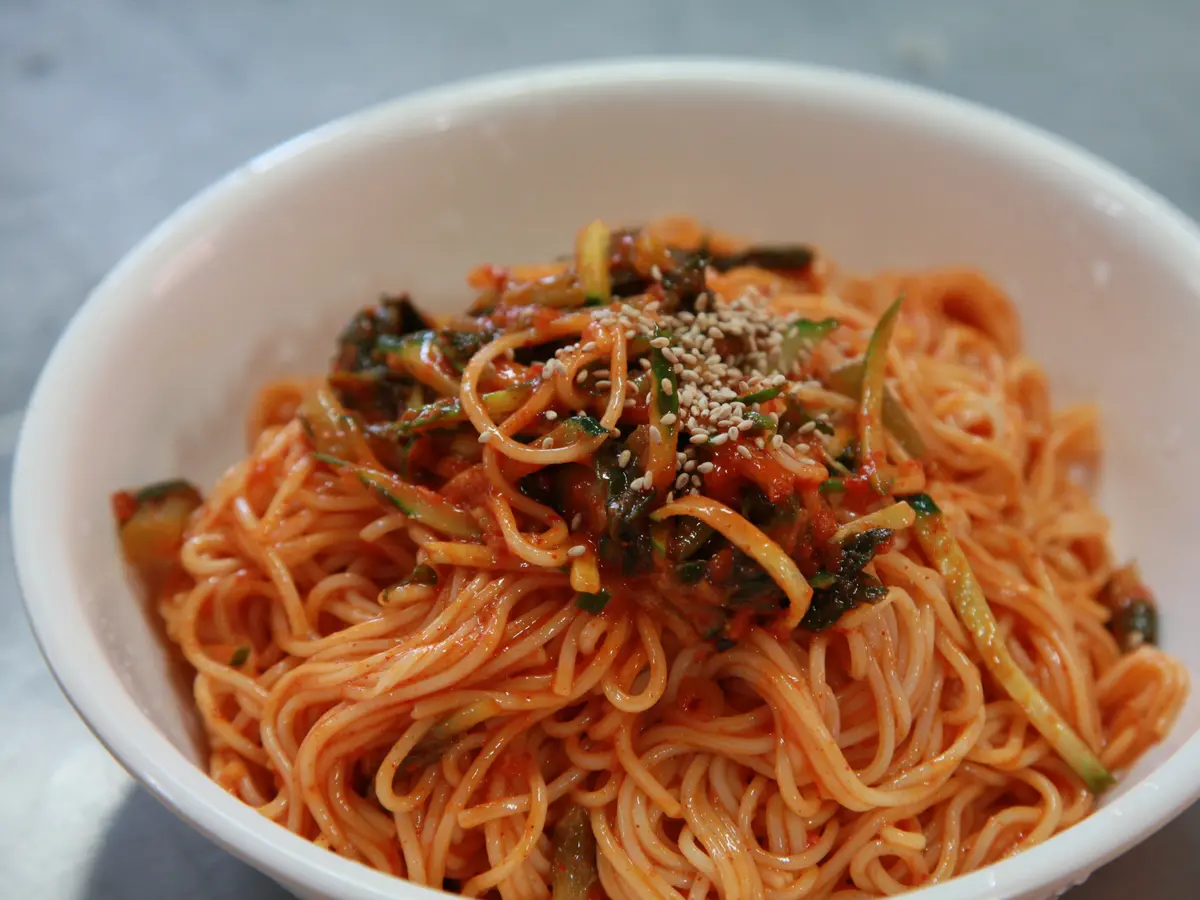
Bibim Guksu (Spicy Korean Cold Noodles)
Easy bibim guksu recipe: thin wheat noodles tossed in a sweet, tangy gochujang sauce with cucumber and egg. About 30 minutes, with mild and hot options.
30 min
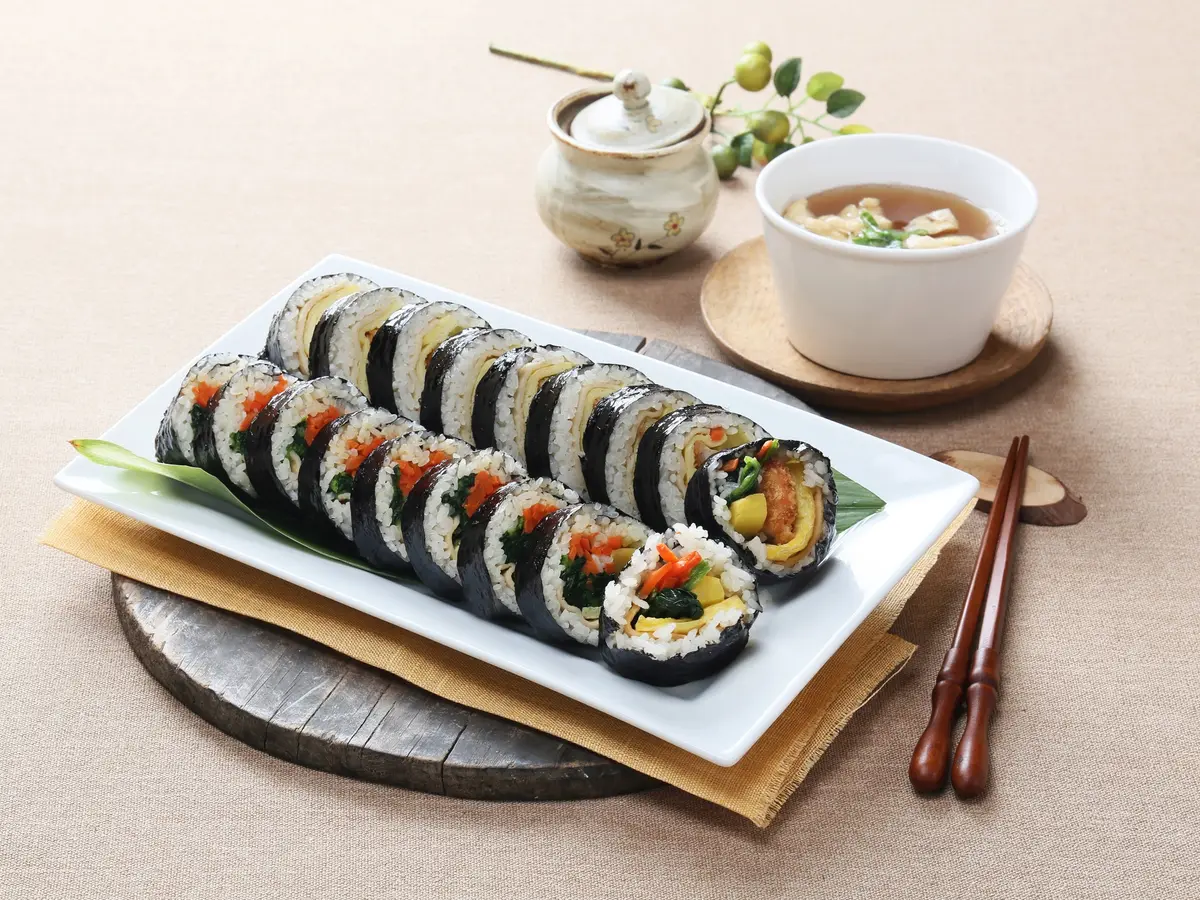
Easy Kimbap Recipe (Korean Seaweed Rice Rolls)
An easy kimbap recipe for beginners: seaweed rolls filled with sesame rice, egg, spinach, carrot and pickled radish, plus tips to stop them falling apart.
55 min
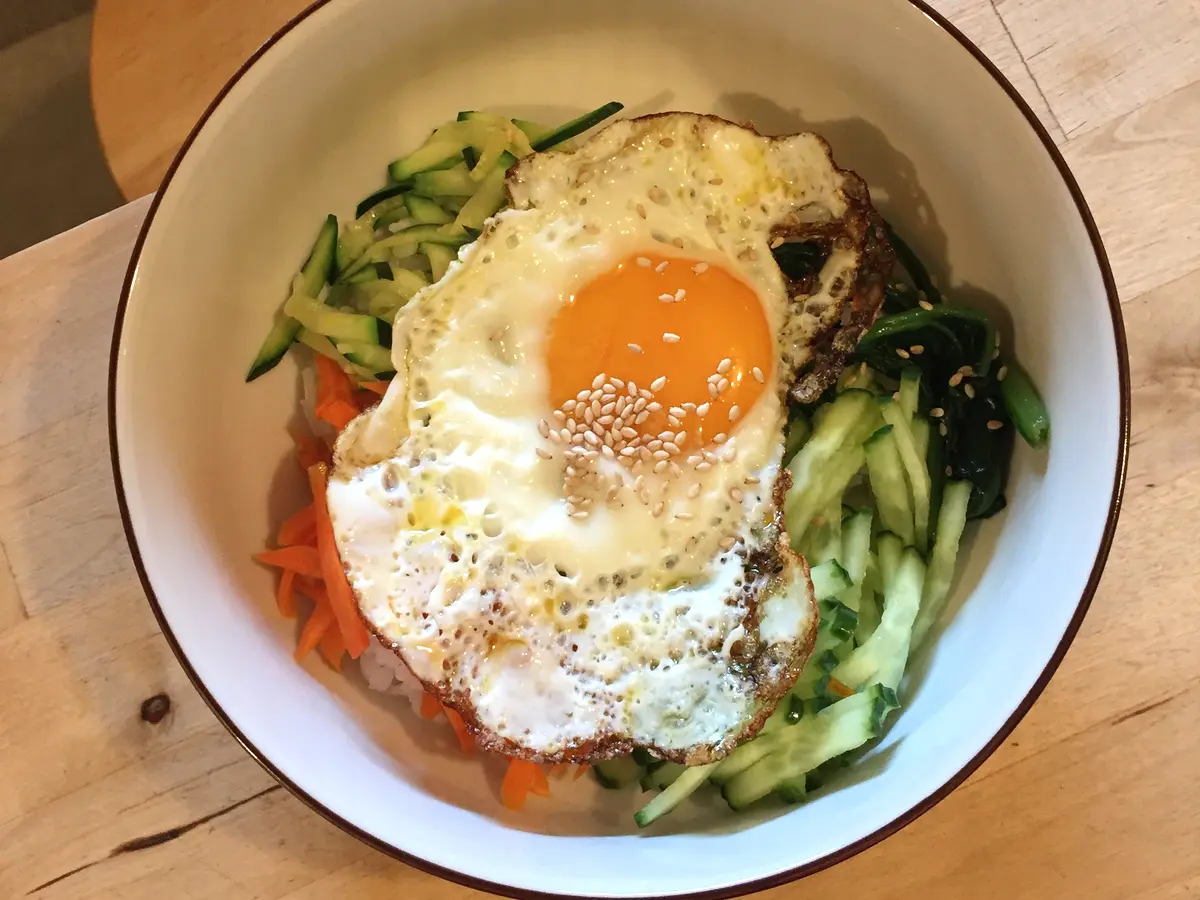
Easy Bibimbap at Home (Korean Mixed Rice Bowl)
An easy bibimbap recipe for beginners: warm rice topped with seasoned vegetables, beef, a fried egg and sweet-spicy gochujang sauce. Ready in about 45 minutes.
45 min