Dakgalbi (Spicy Korean Stir-Fried Chicken)
Prep 20 min · Cook 20 min · Serves 4 ·
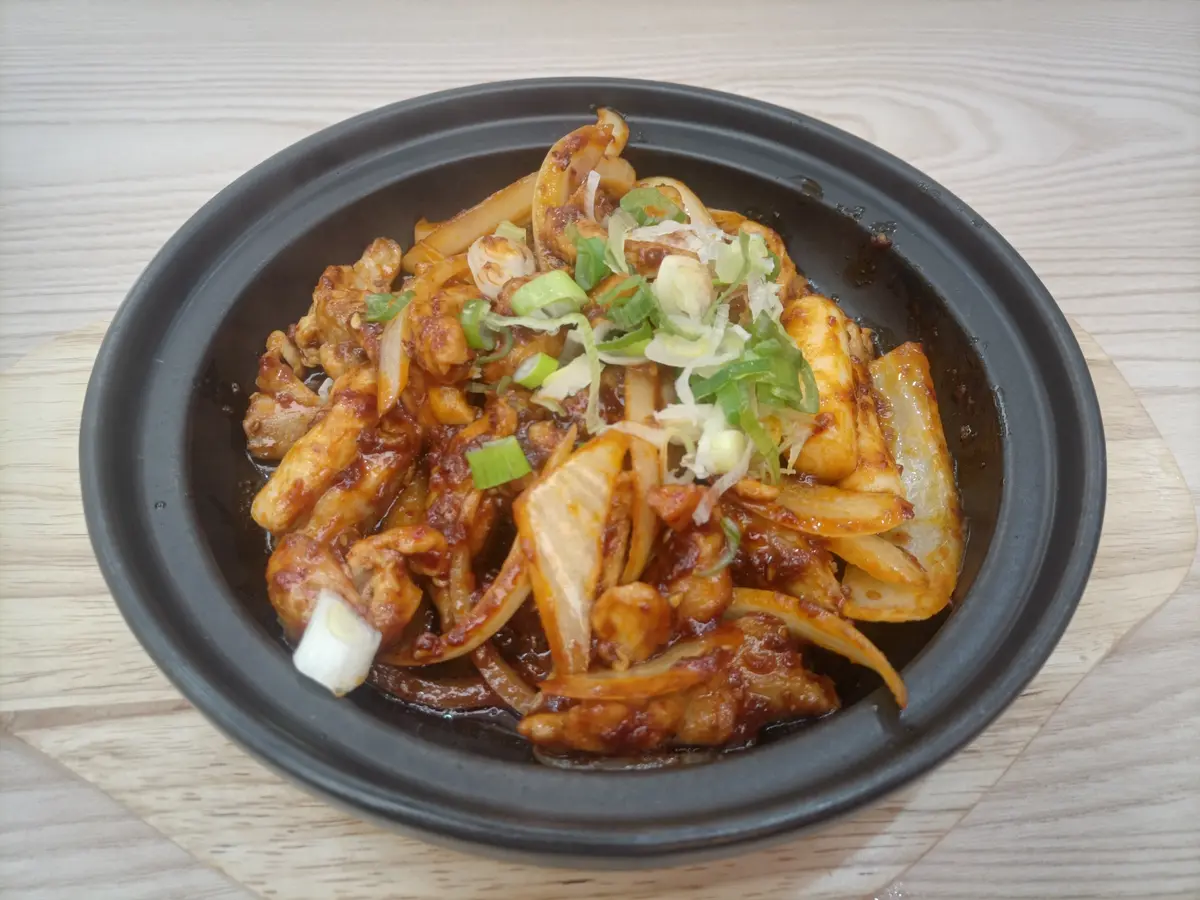
Dakgalbi (pronounced dahk-gahl-bee) is a spicy Korean stir-fry of bite-size chicken thighs, cabbage, sweet potato and rice cakes, all cooked together in a big pan in a gochujang (Korean red chili paste) sauce. It is closely associated with Chuncheon, a city northeast of Seoul, where restaurants cook it at the table on a wide iron griddle. At home, one large skillet does the job. The chicken turns tender and a little caramelized, the cabbage melts into the sauce, and the sweet potato softens into sweet, creamy bites that tone down the heat. The method is simple: mix the marinade, let the chicken rest in it, then add the vegetables in order. The notes below cover the mistakes that trip up first-timers, such as a watery pan, burnt sauce and chicken that turns dry, plus how to adjust the spice and finish the pan with fried rice.
Recipe
Dakgalbi (Spicy Korean Stir-Fried Chicken)
Prep 20 min · Cook 20 min · Serves 4
Ingredients
- 1 3/4 lb (800 g) boneless, skinless chicken thighs, cut into 1 1/2-inch (4 cm) pieces
- 1/4 head green cabbage (about 350 g), cut into 2-inch (5 cm) pieces
- 1 medium sweet potato (about 250 g), peeled and cut into 1/2-inch (1 cm) thick half-moons
- 1 medium yellow onion (about 150 g), cut into thick wedges
- 1 cup (about 150 g) cylinder-shaped Korean rice cakes (tteok), optional
- 4 scallions, cut into 2-inch (5 cm) lengths
- 10 perilla leaves (kkaennip), halved, optional
- 1 tbsp (15 ml) neutral oil, such as canola or vegetable oil
- 3 tbsp (about 60 g) gochujang (Korean red chili paste)
- 2 tbsp (about 12 g) gochugaru (Korean chili flakes), or 1 tbsp for a milder dish
- 2 tbsp (30 ml) soy sauce (all-purpose, not dark soy sauce)
- 2 tbsp (25 g) sugar
- 1 tbsp (15 ml) mirin or rice wine
- 2 tbsp (about 20 g) minced garlic (about 6 cloves)
- 1 tsp (5 g) grated fresh ginger
- 1 tbsp (15 ml) toasted sesame oil
- 1/4 tsp ground black pepper
- 2 to 3 tbsp (30 to 45 ml) water, as needed
- Optional to finish: 2 cups (about 400 g) cooked short-grain rice, 1 sheet roasted seaweed (gim), crumbled, and 1 tsp toasted sesame seeds
Instructions
- 1In a large bowl, stir the gochujang, gochugaru, soy sauce, sugar, mirin, garlic, ginger, sesame oil and black pepper into a thick, even paste.
- 2Pat the chicken dry with paper towels, then add it to the bowl. Mix well with your hands or a spoon until every piece is coated. Cover and refrigerate for at least 30 minutes, or up to 12 hours. This is the only waiting time in the recipe.
- 3If you are using rice cakes that are hard or frozen, soak them in warm water for 10 minutes, then drain. Fresh, soft rice cakes can go straight into the pan.
- 4Heat the oil in a large, deep skillet or wok over medium heat. Use a pan at least 12 inches (30 cm) wide so the food is not piled up and steaming.
- 5Add the sweet potato and onion first and stir for 3 minutes, because the sweet potato takes the longest to soften.
- 6Push the vegetables to the side, then add the marinated chicken, scraping in all of the sauce. Spread it out and let it cook without stirring for 2 minutes so the edges start to brown.
- 7Add the cabbage and the rice cakes. Stir everything together, then pour in 2 tbsp of water. The cabbage will release a lot of liquid as it cooks, so add the last tablespoon of water only if the pan looks dry and the sauce is sticking.
- 8Cover and cook over medium to medium-low heat for 8 to 10 minutes, lifting the lid to stir every 2 to 3 minutes and scrape up any sauce stuck to the bottom. The chicken is done when there is no pink inside and the largest piece reaches 165 F (74 C). The sweet potato should be tender when pierced with a fork.
- 9Remove the lid, add the scallions and perilla leaves, and cook uncovered for 2 to 3 minutes, stirring often, until the sauce thickens and clings to the chicken and vegetables. Taste and add a pinch of sugar if it is too sharp, or a splash of soy sauce if it needs salt.
- 10Serve straight from the pan with rice and lettuce leaves for wrapping. For the classic finish, push the leftovers to one side, add the cooked rice, crumbled seaweed and sesame seeds to the empty space, and press the rice into the sauce. Cook for 3 to 4 minutes without stirring, so it forms a crisp, browned bottom, then mix and eat.
Why thighs and not breasts: Chicken thighs have more fat, so they stay juicy in a long, saucy stir-fry. Chicken breast tends to turn dry and stringy. If you only have breast, cut it into slightly larger pieces, add 1 tbsp of oil to the marinade and shorten the covered cooking time by 2 to 3 minutes. Bone-in thighs also work, but they need about 10 more minutes with the lid on.
Why the pan turns watery: Cabbage and onion are about 90 percent water. If you crowd them into a small pan or stir the whole time, they steam and the sauce thins out. Use a wide pan, start with only 2 tbsp of water, and finish uncovered so the extra liquid evaporates. If the sauce is still thin at the end, turn the heat up to medium-high for a minute and stir constantly.
Preventing a burnt sauce: Gochujang and sugar scorch easily. Keep the heat at medium or lower once the sauce is in the pan, scrape the bottom whenever you lift the lid, and add a splash of water if you smell anything bitter or see black spots. A heavy skillet or a nonstick pan is more forgiving than thin stainless steel.
Spice level: As written, the dish is medium-spicy, and the sweet potato and cabbage soften the heat. For mild, use 1 tbsp of gochugaru and 2 tbsp of gochujang, and add 1 more tbsp of sugar. For hot, add 1 to 2 sliced fresh chilies or 1 more tbsp of gochugaru. Brands of gochujang differ in heat and sweetness, so taste the paste before you use it.
Ingredient swaps: No sweet potato? Use waxy potatoes, cut slightly smaller, and cook them a couple of minutes longer. No Korean rice cakes? Skip them, or add a handful of cooked udon noodles in the last 3 minutes. No perilla leaves? Leave them out, or add a handful of fresh basil at the end for a fresh herbal note, though the flavor is different. No gochugaru? Use 1 tsp of paprika plus a pinch of cayenne, though the flavor will be less rounded and fruity. Mozzarella is a popular topping in Korean restaurants: sprinkle 1 cup (about 100 g) over the finished pan, cover for 1 minute and let it melt.
Dietary notes: Gochujang, soy sauce and rice cakes can contain wheat, and some gochujang brands add fish or shellfish extracts. For a gluten-free version, check the labels for wheat and barley, and use tamari or a soy sauce labeled gluten-free. If you avoid fish or shellfish, check the label too. Rice cakes made only from rice are usually gluten-free, but read the label.
Storage and reheating: Leftovers keep in an airtight container in the fridge for up to 3 days. Reheat in a skillet over medium heat with a splash of water, covered, until the chicken is steaming hot all the way through. The rice cakes harden in the fridge, but they soften again as they reheat. You can freeze the raw chicken in the marinade for up to 1 month: thaw it overnight in the fridge before cooking. Do not reuse or serve any marinade that has touched raw chicken; all of it goes into the pan in this recipe.
How to serve it: Put the pan in the middle of the table and eat it with plain steamed rice, lettuce leaves for wrapping, and cold side dishes to balance the heat, such as Korean Cucumber Salad or Korean Spinach Side Dish. A bowl of Miyeok Guk or a mild soup also helps if you are sensitive to spice. If you like the sweet-spicy combination, try Jeyuk Bokkeum, which uses a similar sauce on pork, or Tteokbokki for a rice cake dish with a saucier finish.
Variations: For a less saucy, grilled version, cook the marinated chicken with only onion and scallions in a hot pan and skip the cabbage. For a vegetarian version, replace the chicken with firm tofu pressed dry and cut into thick slabs, and add mushrooms. It will cook faster, in about 8 minutes total.
Related Recipes
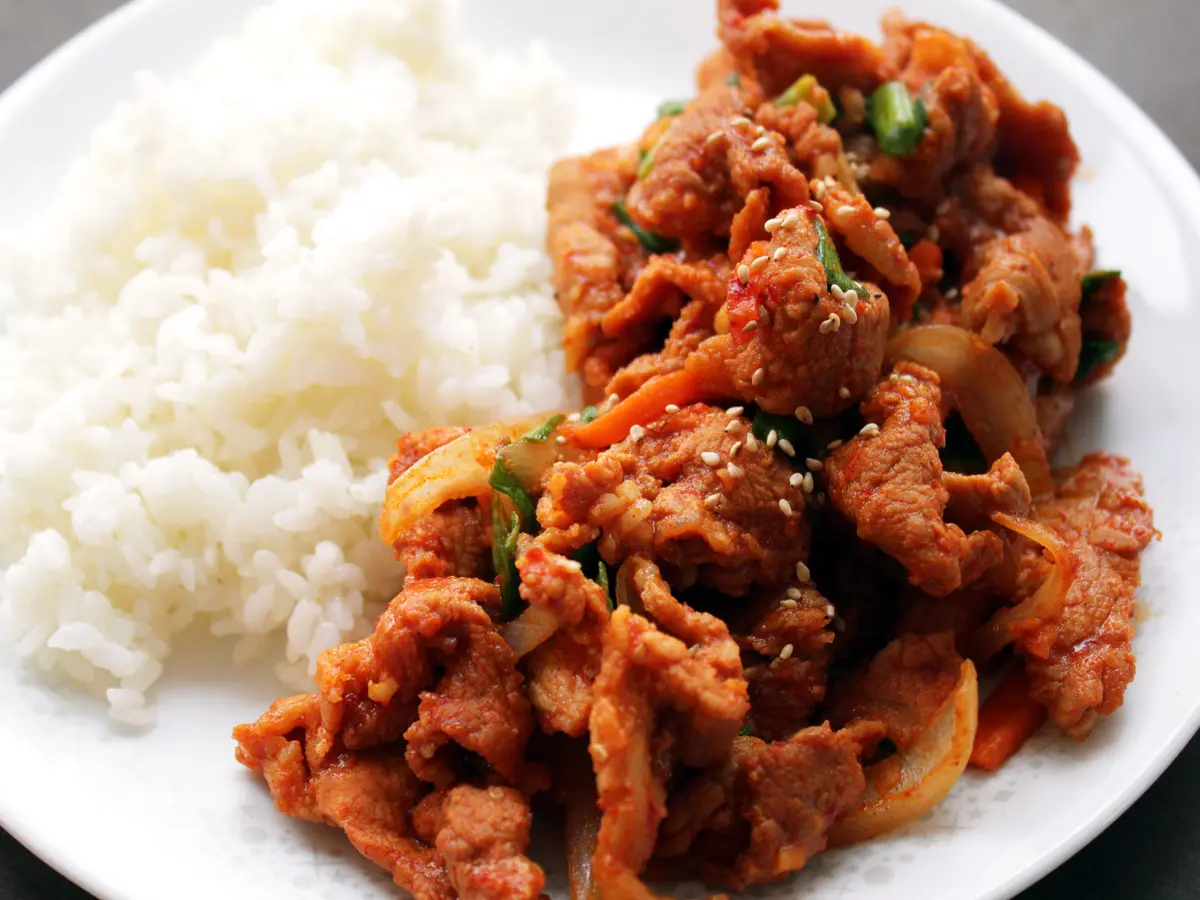
Jeyuk Bokkeum (Spicy Korean Pork Stir-Fry)
Spicy Korean pork stir-fry (jeyuk bokkeum): pork shoulder seared for char, then glazed in gochujang sauce. With tips on cuts, slicing and a milder version.
35 min
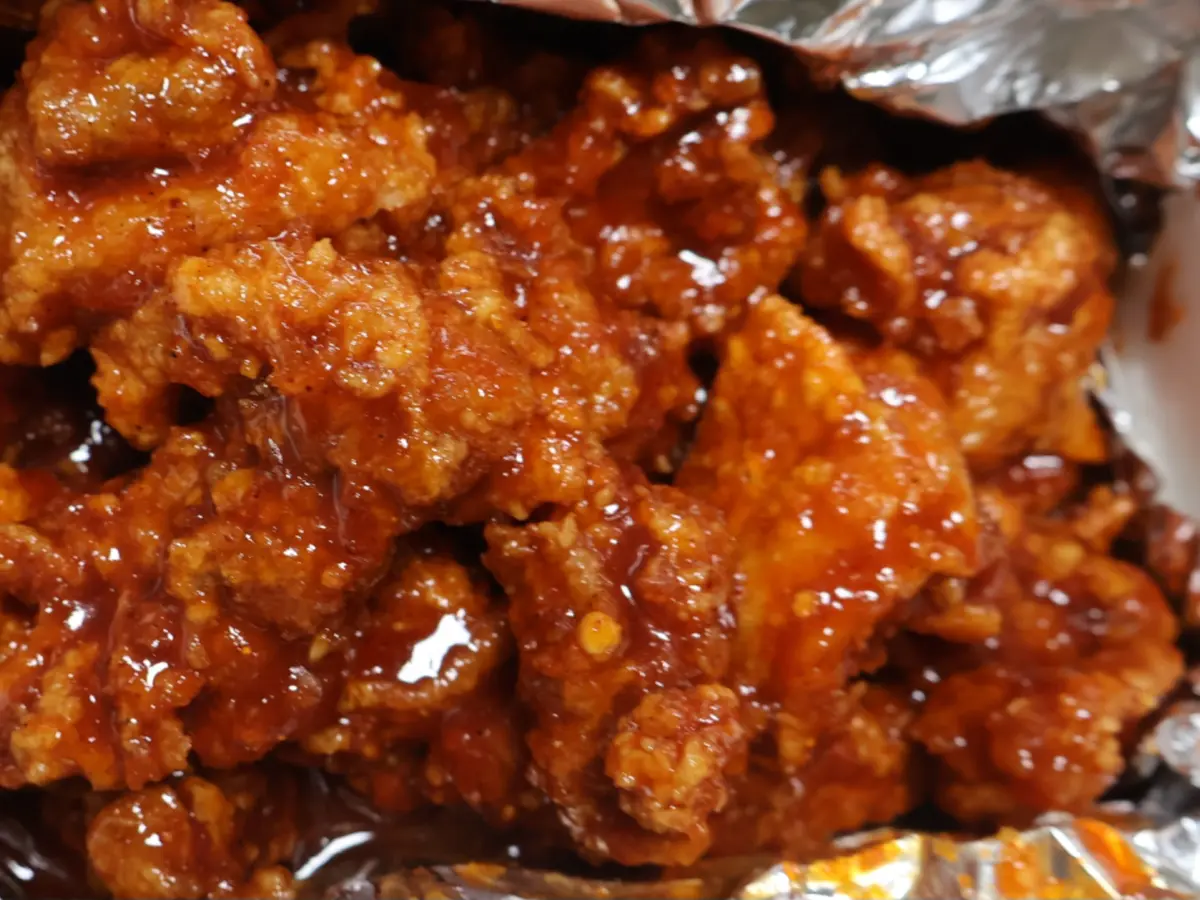
Crispy Korean Fried Chicken (Yangnyeom Chicken)
A Korean fried chicken recipe for home cooks: double-fried wings or thighs in a sweet, spicy gochujang glaze, with safe frying tips and a less-spicy option.
85 min
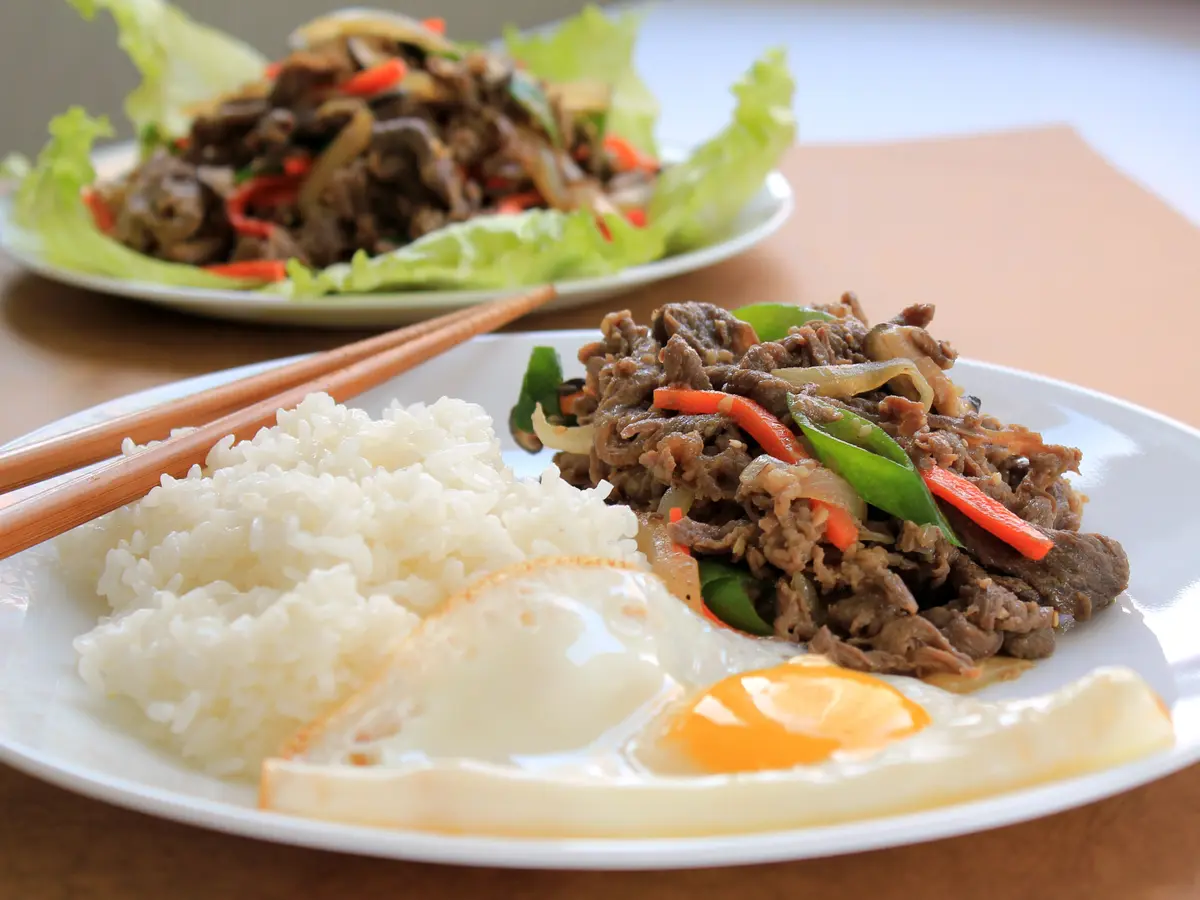
Beef Bulgogi (Korean BBQ Beef)
Easy beef bulgogi recipe: thin-sliced ribeye in a sweet soy, garlic and grated pear marinade, seared in a regular skillet. Includes slicing tips and swaps.
60 min