Dubu Jorim (Korean Braised Tofu)
Prep 20 min · Cook 25 min · Serves 4 ·
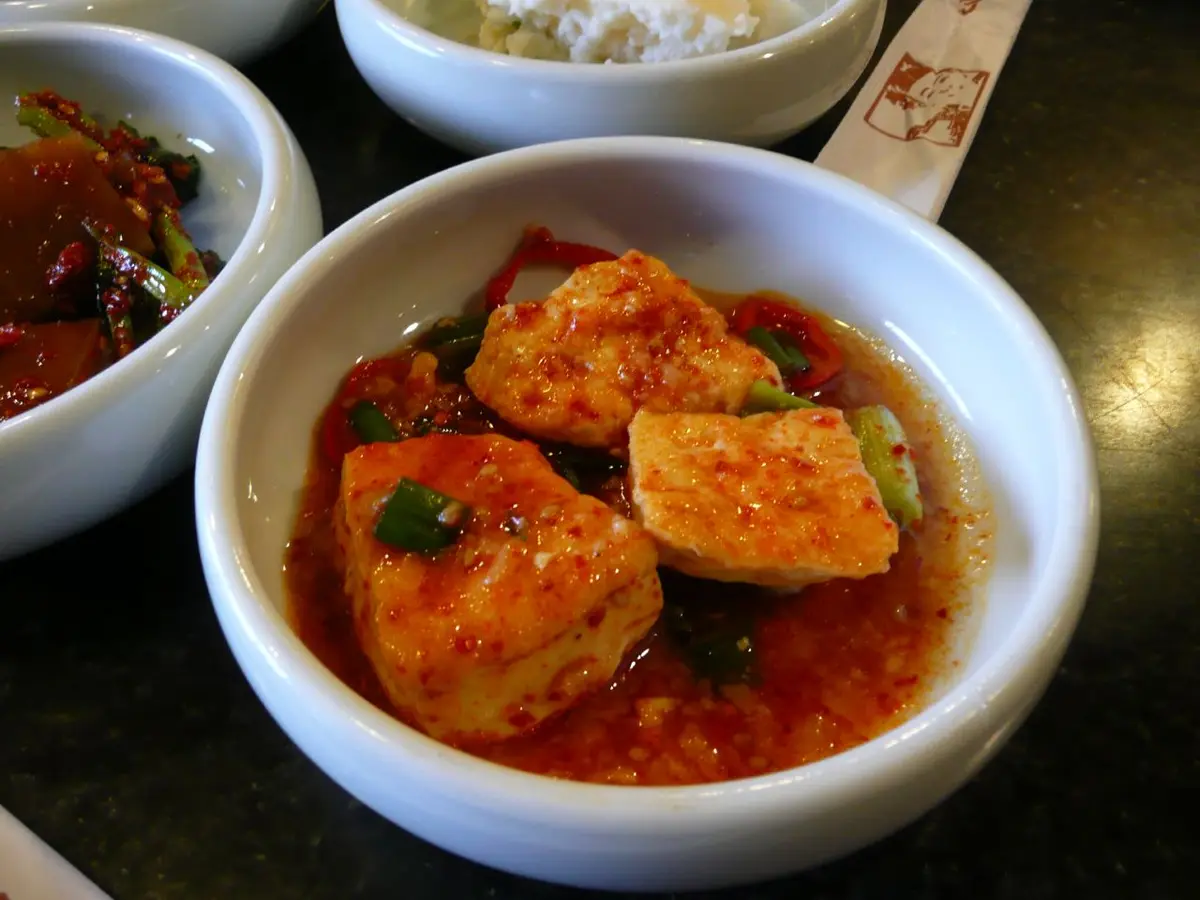
Dubu jorim (pronounced doo-boo jo-rim) is a Korean side dish of tofu pan-fried until golden, then simmered in a savory soy sauce mixture until the sauce reduces and coats each slice. Dubu means tofu, and jorim means food simmered in a seasoned liquid until most of it cooks down. Browning the tofu first gives it a firm, slightly chewy skin that soaks up the sauce instead of falling apart. The sauce is salty, garlicky and gently spicy from gochugaru (Korean chili flakes), with a little sugar to round it out. It is one of the most common banchan, the small side dishes served with rice, and it works as a quick main with a bowl of rice and a vegetable. It also tastes fine cold, so it suits lunchboxes. The notes below cover the problems that trip up beginners: tofu that sticks, crumbles or comes out watery.
Recipe
Dubu Jorim (Korean Braised Tofu)
Prep 20 min · Cook 25 min · Serves 4
Ingredients
- 1 block (14 to 16 oz / 400 to 450 g) firm or extra-firm tofu
- 2 tbsp (30 ml) neutral oil, such as canola, for pan-frying
- 1/4 tsp salt, for seasoning the tofu
- 3 tbsp (45 ml) soy sauce
- 1 to 2 tsp gochugaru (Korean chili flakes), to taste
- 1 tbsp (about 12 g) sugar
- 1 tbsp (15 ml) mirin or rice wine (optional)
- 3 cloves garlic, minced (about 1 tbsp)
- 1/2 cup (120 ml) water
- 2 scallions (green onions), thinly sliced
- 1 tsp toasted sesame oil
- 1 tsp toasted sesame seeds
- 1 small green or red chili, sliced (optional, for extra heat)
Instructions
- 1Drain the tofu and cut the block in half lengthwise, then cut it crosswise into slabs about 1/2 inch (1.2 cm) thick. You should get about 16 to 20 pieces. Even thickness helps them brown at the same rate.
- 2Lay the slices in a single layer on a few layers of paper towels or a clean kitchen towel. Cover them with more towels and press gently with your palm. Let them sit for 10 minutes. This hands-off wait is counted in the prep time on the recipe card. Dry tofu browns better and spatters less.
- 3While the tofu drains, make the sauce. Stir the soy sauce, gochugaru, sugar, mirin if using, garlic and water together in a small bowl until the sugar dissolves. Slice the scallions and the chili if using.
- 4Pat the tofu dry once more and sprinkle both sides lightly with the salt.
- 5Heat the oil in a large nonstick or well-seasoned skillet over medium-high heat for about 1 minute, until the oil shimmers. Carefully lay the tofu slices in a single layer. Work in two batches if they do not fit without touching, and add a little more oil for the second batch.
- 6Fry for 3 to 4 minutes per side without moving the slices, until the bottom is deep golden and releases easily. If a slice sticks, give it another 30 seconds before you try to flip it. Move the browned tofu to a plate. If the pan is very dark or smoky, wipe it out with a paper towel.
- 7Return all the tofu to the pan in a single layer, overlapping slightly if you must. Spoon about two thirds of the sauce evenly over the top and scatter on half of the scallions.
- 8Turn the heat down to medium-low and simmer gently for 6 to 8 minutes, uncovered, until the sauce has reduced to a thick glaze. Every 2 minutes, tilt the pan and spoon the sauce over the tofu, or flip each slice once with a spatula. Do not stir hard, because the slices can break.
- 9Pour in the remaining sauce for the last 2 minutes, so the garlic and chili flavor stays bright. When the sauce clings to the tofu and only a thin layer of syrupy liquid is left in the pan, turn off the heat.
- 10Drizzle on the sesame oil, then sprinkle with the sesame seeds, the remaining scallions and the sliced chili if using. Serve warm with steamed rice, or let it cool and serve it at room temperature.
Choosing the tofu: Use firm or extra-firm tofu sold in a block, either in a tub of water or vacuum packed. Soft and silken tofu are too delicate and will break apart in the pan, so save those for stews such as Doenjang Jjigae. Korean grocery stores sell tofu labeled for pan-frying (buchim-yong), which is a good choice if you can find it, but regular firm tofu from any supermarket works well.
How to keep the tofu from sticking: Three things matter. The tofu should be dry, the oil should be hot before the slices go in, and you should leave the slices alone until the bottom has browned. A nonstick pan makes this much easier. Tofu that is cold from the fridge and wet from the package is the usual cause of sticking and spattering.
If the tofu crumbles or breaks: Slices that are too thin (under 1/2 inch / 1.2 cm), a pan that is not hot enough, or too much stirring are the usual causes. Use a thin, wide spatula to flip, and flip only once. Broken pieces still taste good, so spoon the sauce over them and serve.
If the sauce is too thin or too salty: If the tofu is cooked but the sauce is still runny, raise the heat to medium and spoon the sauce over the tofu for another minute or two until it clings. If it tastes too salty, add 1 to 2 tbsp of water and a pinch of sugar and simmer for a minute. Soy sauces vary a lot in saltiness, and low-sodium types may need a bit more.
Spice level: With 1 teaspoon of gochugaru the dish is mildly spicy. Use 2 teaspoons for medium heat, or add the fresh chili for more. For a non-spicy version that suits children, leave out the gochugaru and chili. The sauce will be a plain sweet-salty soy glaze and still tastes good. Gochugaru comes in coarse and fine grinds, and the fine grind tastes spicier per spoonful, so start with the smaller amount.
Ingredient swaps: No mirin? Use a little extra sugar and 1 tbsp more water. No gochugaru? Use a pinch of cayenne, or a small spoonful of gochujang (Korean chili paste) stirred into the sauce, and cut back the sugar slightly. Chives can replace the scallions.
Making it a fuller meal: Add 1/2 cup of thinly sliced onion or a few slices of shiitake mushroom to the pan with the sauce in step 7. They soften and sweeten the glaze. Thin slices of zucchini also work.
Dietary notes: This is a good dish for people who avoid meat, but check the labels. Soy sauce usually contains wheat and soybeans, so look for a wheat-free soy sauce if you avoid gluten, and read the full label for wheat and barley. Plain gochugaru is only dried chili, but some seasoned soy sauces and premixed chili seasonings contain fish or seafood ingredients such as anchovy, so look for fish, shellfish and meat on the label if you avoid them. Sesame oil and seeds, soy and tofu are common allergens.
Storage: Let the tofu cool, then put it in an airtight container with its sauce in the fridge within 2 hours of cooking. It keeps for 3 to 4 days. Reheat in a skillet over low heat with a splash of water, or in the microwave, until steaming hot. The texture is chewier after chilling, which many people like. Freezing is not recommended, because the tofu turns spongy and the sauce separates.
How to serve it: Dubu jorim is made for steamed rice. For a simple meal, add Kongnamul Muchim for a cool, crunchy contrast and Doenjang Jjigae or another soup. Gamja Jorim makes a good second braised side, and Gyeran Jjim adds a soft, mild dish that balances the spicy sauce.
Related Recipes
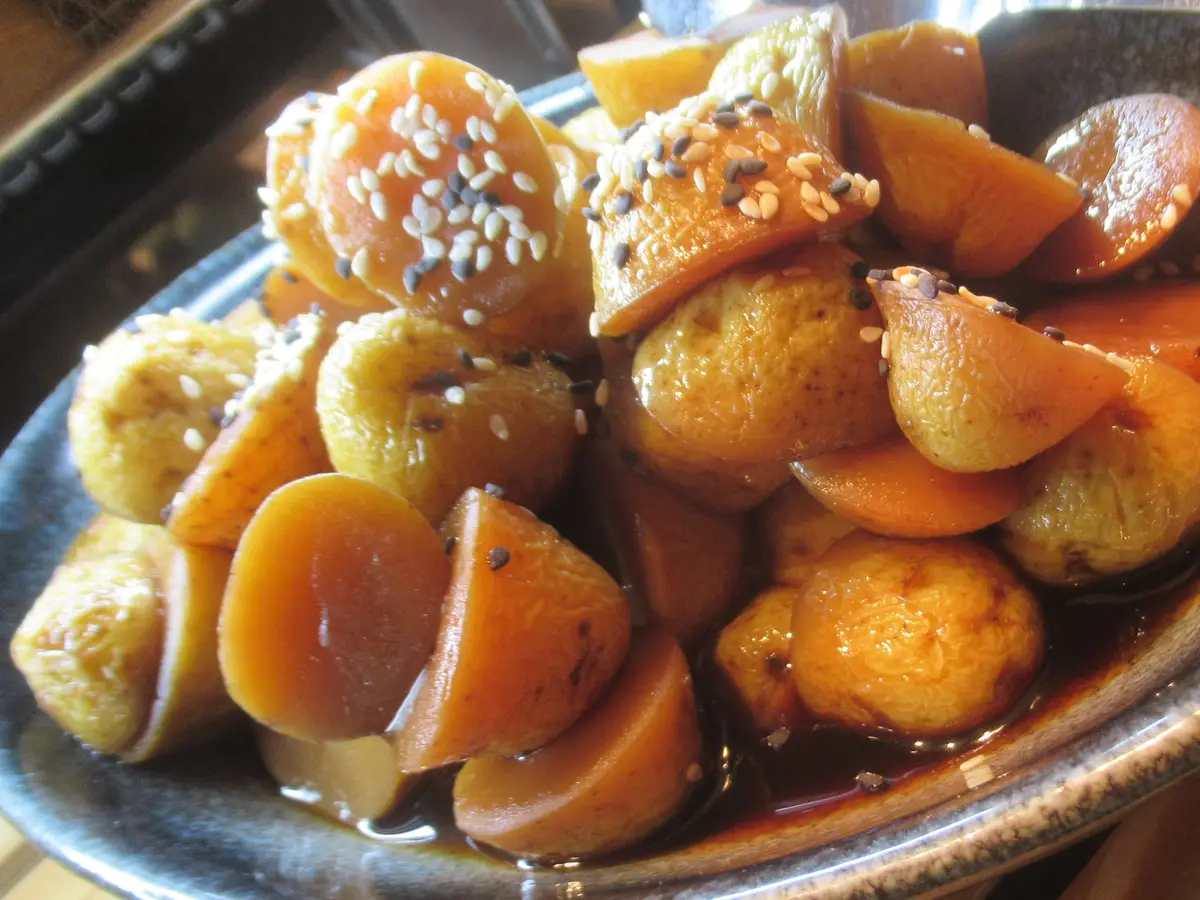
Gamja Jorim (Korean Braised Potatoes)
Make gamja jorim, Korean braised potatoes in a sticky sweet-salty soy glaze. Cheap, easy and lunchbox friendly, with fixes for mushy potatoes and thin sauce.
50 min
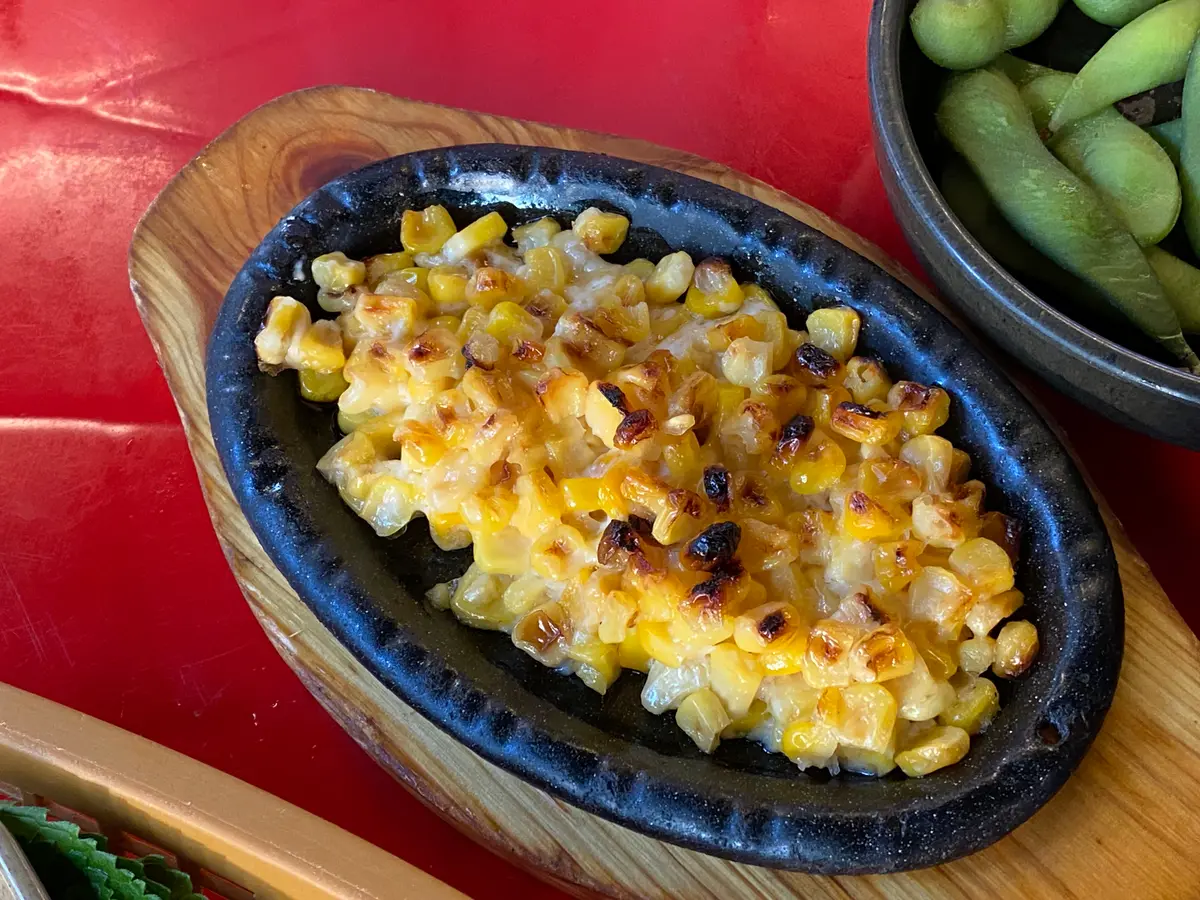
Korean Corn Cheese (Baked Sweet Corn with Mozzarella)
Make Korean corn cheese at home with canned corn, mayo and mozzarella, baked until bubbly. Includes fixes for watery corn and a no-oven option.
25 min
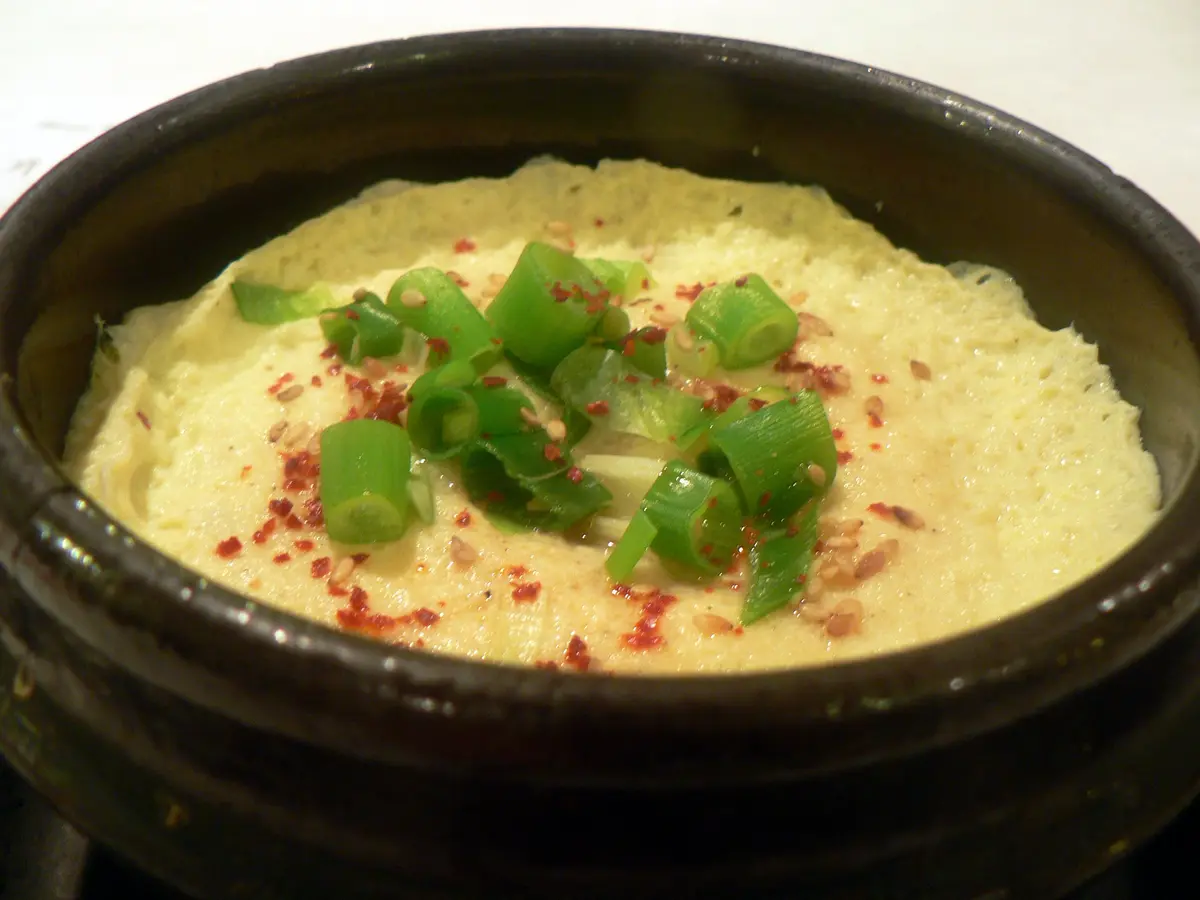
Gyeran Jjim (Fluffy Korean Steamed Eggs)
Make gyeran jjim, the fluffy Korean steamed eggs served at Korean barbecue restaurants. Easy 4-egg recipe with egg-to-water ratio, heat tips and fixes.
20 min