Japchae (Korean Glass Noodles with Vegetables)
Prep 25 min · Cook 25 min · Serves 4 ·
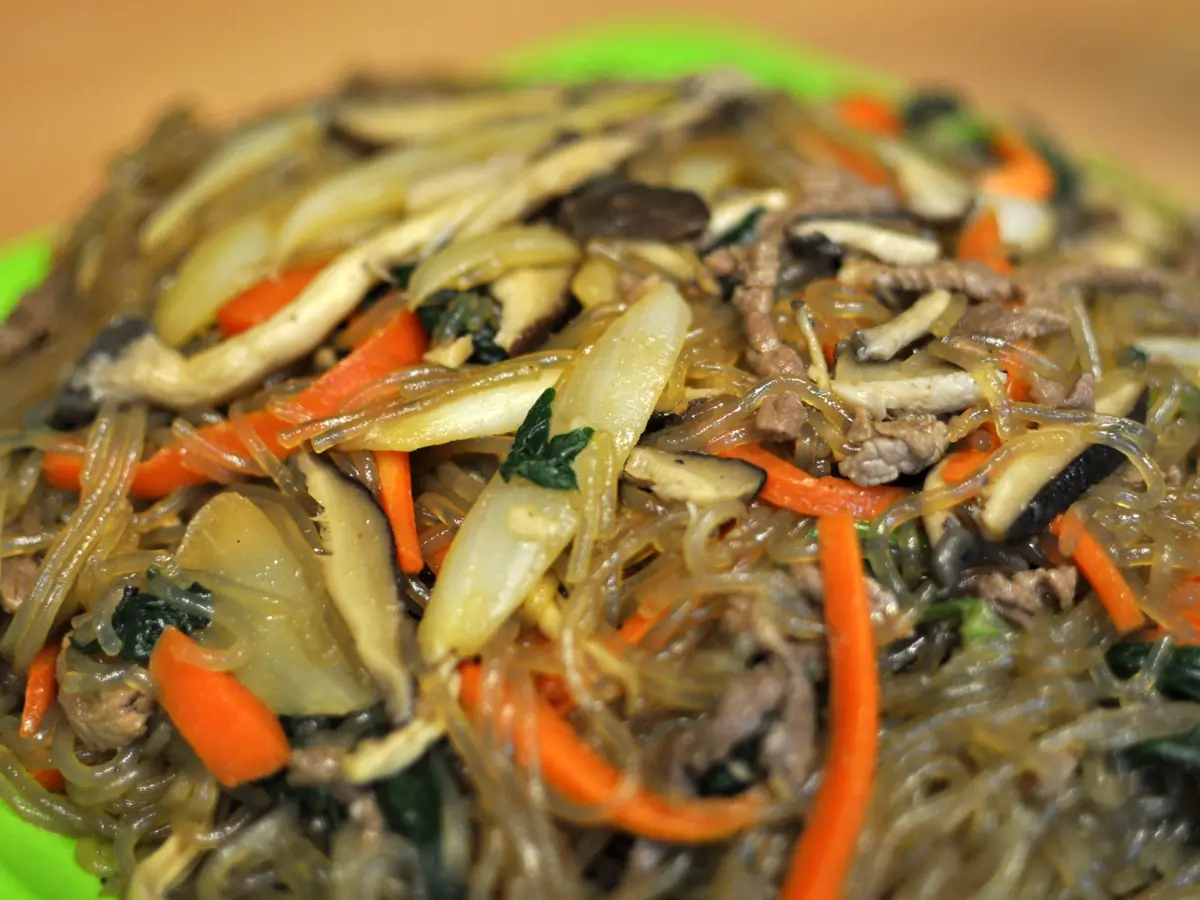
Japchae (pronounced jahp-chay) is a platter of glossy, chewy glass noodles tossed with colorful stir-fried vegetables, a little beef and a sweet soy and sesame oil sauce. The name roughly means mixed vegetables, and it is a dish many Korean families make for holidays, birthdays and family gatherings because it looks festive and can be served warm or at room temperature. The noodles are dangmyeon, made from sweet potato starch. They are gray-brown when dry, turn clear when cooked and have a bouncy, slippery texture quite unlike wheat pasta. Look for them in the Asian aisle labeled sweet potato starch noodles or vermicelli. Japchae is not spicy at all, which makes it a good first Korean dish for anyone nervous about chili heat.
Recipe
Japchae (Korean Glass Noodles with Vegetables)
Prep 25 min · Cook 25 min · Serves 4
Ingredients
- 8 oz (225 g) dried dangmyeon (Korean sweet potato starch noodles)
- 4 oz (115 g) beef sirloin or rib-eye, cut into thin strips about 2 inches (5 cm) long
- 5 oz (150 g) fresh spinach (about 4 packed cups)
- 1 medium yellow onion (about 150 g), thinly sliced
- 1 medium carrot (about 60 g), cut into thin matchsticks
- 5 fresh shiitake mushrooms (about 75 g), stems removed, thinly sliced
- 1/2 red bell pepper (about 60 g), thinly sliced (optional, for color)
- 3 scallions, cut into 2-inch (5 cm) lengths
- 4 garlic cloves, finely minced (divided)
- 1/4 cup (60 ml) soy sauce, divided
- 2 tbsp (25 g) granulated sugar, divided
- 3 tbsp (45 ml) toasted sesame oil, divided
- 2 tbsp (30 ml) neutral cooking oil, such as canola or vegetable, divided
- 1/2 tsp (3 g) fine salt, divided
- 1/4 tsp ground black pepper
- 1 tbsp (9 g) toasted sesame seeds (optional, for garnish)
- 1 large egg (optional, for a thin egg garnish)
Instructions
- 1Season the beef: in a small bowl, mix the beef strips with 1 tbsp soy sauce, 1 tsp sugar, 1 minced garlic clove, 1 tsp sesame oil and the black pepper. Set aside while you prepare everything else.
- 2Make the noodle sauce: in another bowl, stir together the remaining 3 tbsp soy sauce, the remaining sugar (5 tsp), 1 minced garlic clove and 1 tbsp sesame oil until the sugar mostly dissolves.
- 3Bring a large pot of water to a boil. Add the spinach and cook for about 30 seconds, just until wilted. Lift it out with tongs (keep the water boiling), rinse under cold water and squeeze out as much water as you can with your hands.
- 4Cut the spinach into 2-inch (5 cm) lengths and toss it with 1/4 tsp salt, 1 minced garlic clove and 1 tsp sesame oil. Set aside on a large tray or plate.
- 5Add the dried noodles to the same boiling water and cook according to the package, usually 6 to 8 minutes, stirring now and then so they do not stick to the bottom. Pull one out and bite it: it should be clear, chewy and springy with no hard white center.
- 6Drain the noodles in a colander and rinse briefly with cold water to stop the cooking. Shake off the water, then use kitchen scissors to cut through the pile 2 or 3 times so the strands are about 6 to 8 inches (15 to 20 cm) long.
- 7Put the noodles in a large bowl, pour in half of the noodle sauce and toss well with your hands or tongs so every strand is coated. This keeps them from clumping while you cook the rest.
- 8Optional egg garnish: beat the egg with a pinch of salt. Heat a nonstick skillet over low heat with a few drops of the neutral oil, pour in the egg, tilt to make a thin layer and cook until set, about 1 to 2 minutes, without browning. Roll it up, slice into thin ribbons and set aside.
- 9Heat 1 tsp neutral oil in a large skillet over medium-high heat. Stir-fry the onion with a small pinch of salt for 2 to 3 minutes, until softened and translucent. Move it to the tray.
- 10Add another 1 tsp oil and stir-fry the carrot with a small pinch of salt for about 1 minute, then add the bell pepper (if using) for another 30 seconds. Move them to the tray, keeping each vegetable in its own pile.
- 11Add another 1 tsp oil and cook the mushrooms with the last pinch of salt for 2 to 3 minutes, until soft. Add the scallions for the final 30 seconds, then move everything to the tray.
- 12Add the remaining oil and the last minced garlic clove, then stir-fry the beef for 2 to 3 minutes, until no pink remains.
- 13Lower the heat to medium. Add the noodles and the rest of the noodle sauce to the skillet with the beef and toss for 1 to 2 minutes, until the noodles are glossy and warmed through.
- 14Turn off the heat. Add all the vegetables, the remaining 1 tbsp plus 1 tsp sesame oil and the sesame seeds (if using). Toss gently with tongs or clean hands until everything is evenly mixed.
- 15Taste a few noodles and adjust: add up to 1 tbsp more soy sauce if bland, or 1 tsp sugar if you want it sweeter. Pile onto a platter, top with the egg ribbons (if using) and serve warm or at room temperature.
Tips for getting it right: The two most common japchae problems are noodles that clump into one sticky brick and noodles that turn mushy. Clumping happens when drained noodles sit undressed for even a few minutes, so toss them with sauce right after draining. Mushiness comes from overcooking; start tasting a minute before the package time is up, because brands vary a lot. If the noodles still look a little white or opaque in the center, they need another minute. Cutting the noodles with scissors is not cheating: uncut sweet potato noodles are very long and hard to mix and serve. Season each vegetable lightly as you go, so the dish tastes good in every bite instead of only where the sauce landed.
Why one pan, in this order: Cooking the lighter vegetables first and the beef last means you never have to wash the skillet, and the beef leaves behind browned bits that flavor the noodles when you toss them in the same pan.
If you cannot find sweet potato noodles: Many supermarkets carry them in the Asian aisle, and Asian grocery stores and online shops always do. Mung bean glass noodles (sometimes labeled bean thread or cellophane noodles) are the closest substitute; they are thinner and cook much faster, often in just a few minutes, so follow the package and watch them closely. Thin rice vermicelli also works in a pinch, but it is softer and not as chewy. Avoid wheat noodles here; they absorb the sauce differently and the result is closer to a stir-fried pasta.
Spice and sweetness: Japchae is traditionally mild and slightly sweet. If you want some heat, add 1/2 to 1 tsp gochugaru (Korean chili flakes) or a pinch of regular red pepper flakes with the beef. If you prefer it less sweet, cut the sugar in the noodle sauce in half and taste at the end.
Gluten-free and vegetarian: Sweet potato starch noodles are naturally gluten-free (check the package to be sure), but regular soy sauce contains wheat, so use tamari or a soy sauce labeled gluten-free. For a vegetarian version, skip the beef and add extra mushrooms, or pan-fry strips of firm tofu until golden and toss them in with the vegetables.
Storage and reheating: Keep leftovers in an airtight container in the fridge for up to 3 days. The noodles firm up and turn stiff when cold; this is normal for starch noodles and does not mean they are ruined. Reheat in a skillet over medium heat with 1 to 2 tbsp water, tossing until soft and glossy again, or microwave covered with a splash of water in 30-second bursts. Freezing is not recommended, because the noodles turn hard and crumbly and the vegetables go watery after thawing.
What to serve with it: Japchae can be a light meal on its own, but it is usually one dish among several at a Korean table. It goes well with Beef Bulgogi and a bowl of rice for a celebration dinner, and a small dish of our Easy Kimchi on the side adds a sour, spicy contrast to the sweet noodles.
Related Recipes
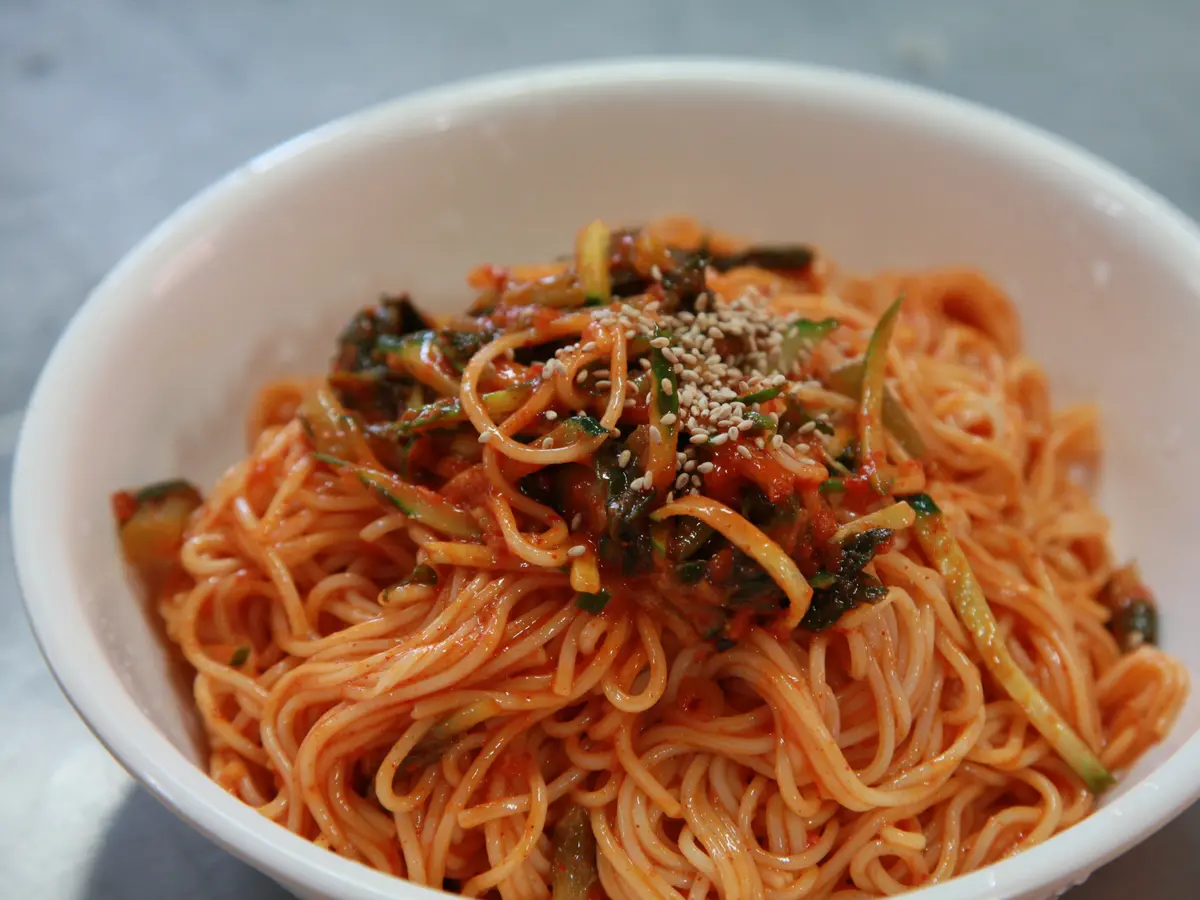
Bibim Guksu (Spicy Korean Cold Noodles)
Easy bibim guksu recipe: thin wheat noodles tossed in a sweet, tangy gochujang sauce with cucumber and egg. About 30 minutes, with mild and hot options.
30 min
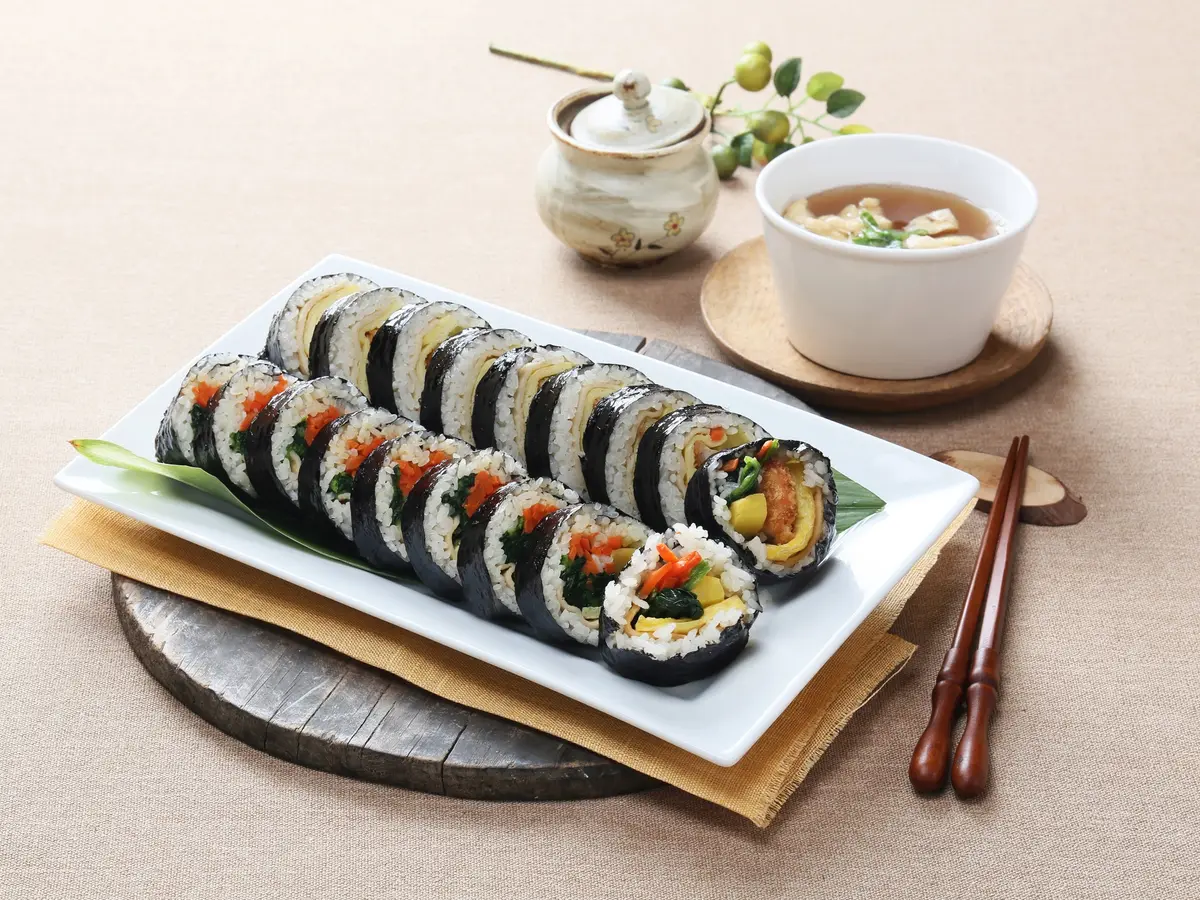
Easy Kimbap Recipe (Korean Seaweed Rice Rolls)
An easy kimbap recipe for beginners: seaweed rolls filled with sesame rice, egg, spinach, carrot and pickled radish, plus tips to stop them falling apart.
55 min
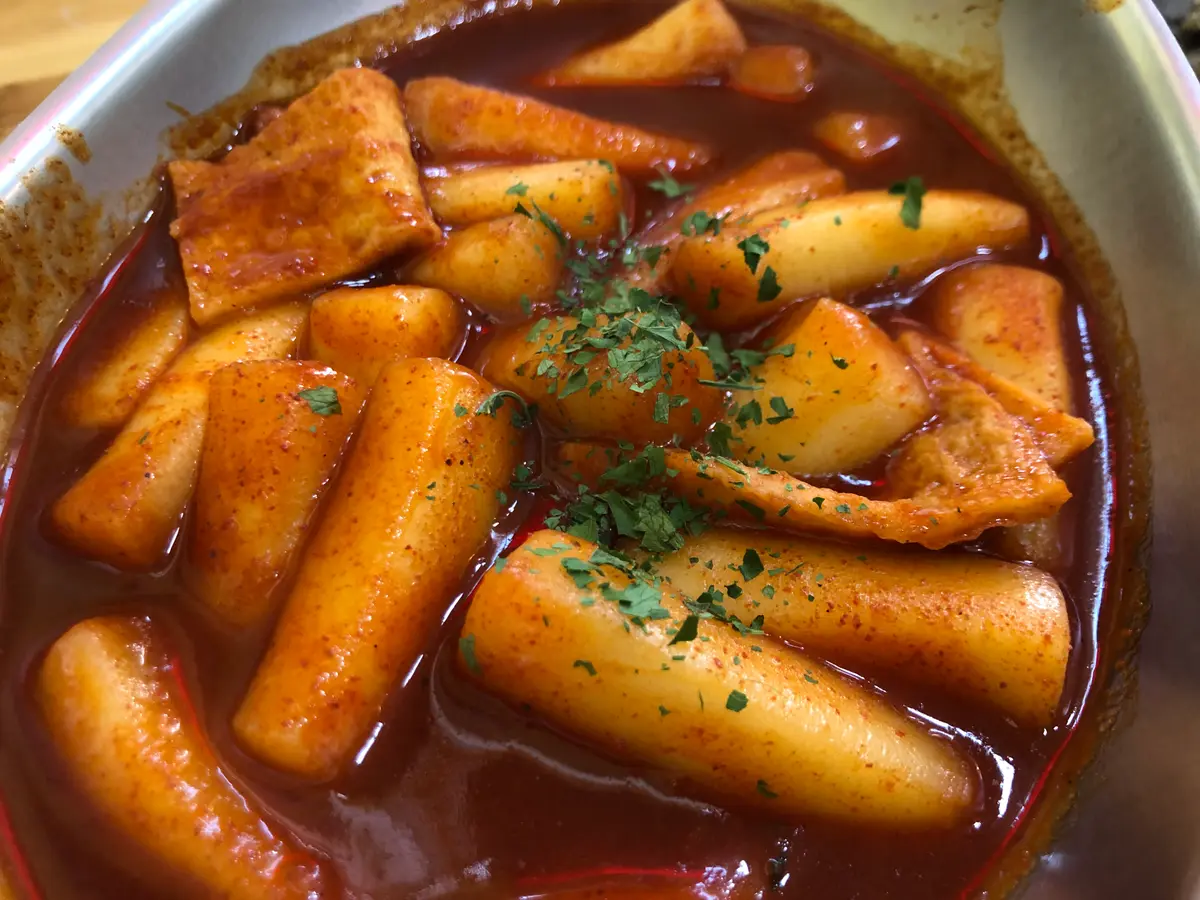
Tteokbokki (Spicy Korean Rice Cakes)
An easy tteokbokki recipe: chewy Korean rice cakes and fish cakes simmered in a sweet, spicy gochujang sauce, with tips on buying rice cakes and a mild option.
40 min