Kimchi Fried Rice (Kimchi Bokkeumbap)
Prep 10 min · Cook 20 min · Serves 2 ·
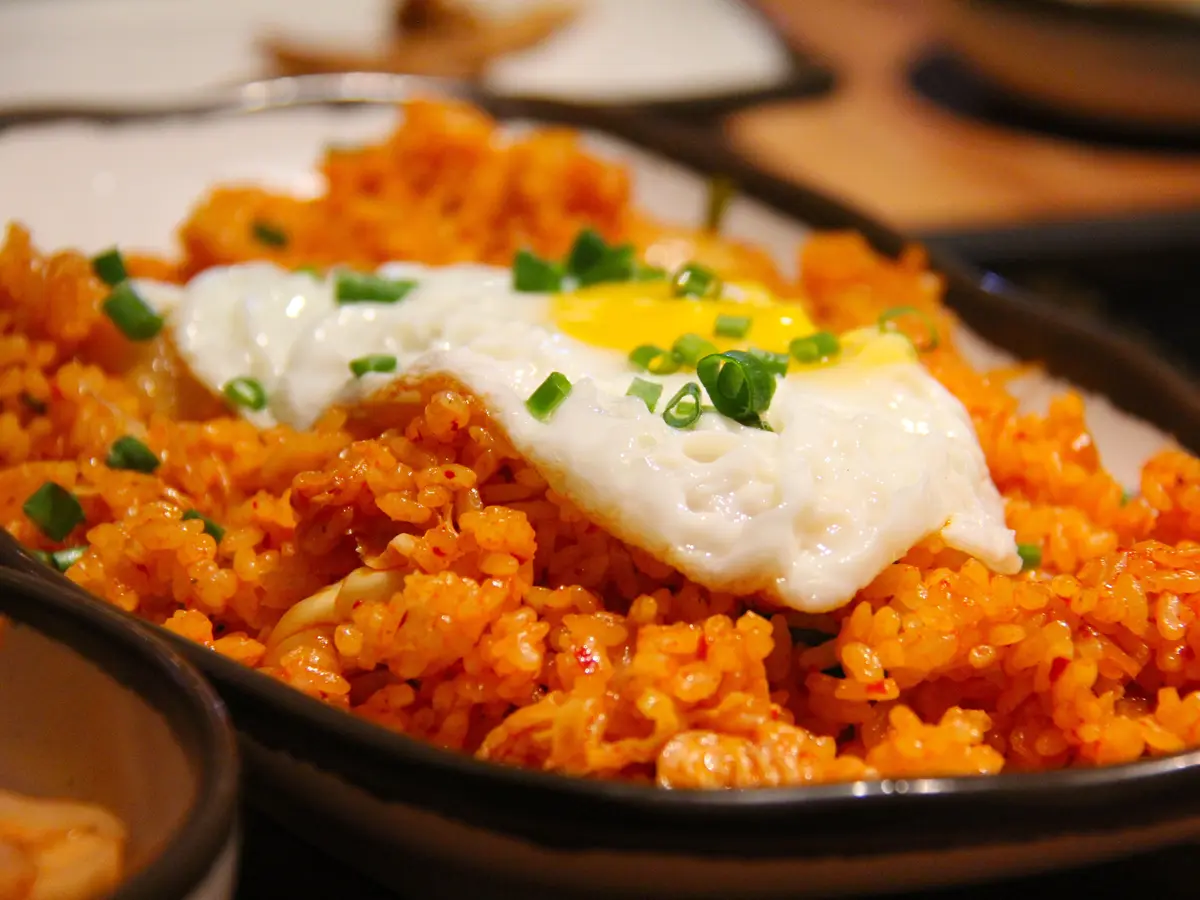
Kimchi bokkeumbap (pronounced kim-chee bok-keum-bahp) simply means kimchi fried rice: bokkeum is stir-frying, bap is rice. In Korea it is the classic way to use up two things almost every home has too much of, leftover rice and kimchi that has turned sour. The kimchi used here is fermented napa cabbage seasoned with chili, garlic and salt, and the older it gets, the more tangy it becomes. That sourness is exactly what you want here. Cooked in fat, the kimchi softens and turns savory and slightly sweet, and its juice colors the rice a deep orange-red. This version uses pork belly or bacon for richness, a spoonful of gochujang (Korean red chili paste) for depth, and a fried egg on top. The rice cooks in one large skillet in about 15 to 20 minutes, while the eggs fry in a small pan alongside.
Recipe
Kimchi Fried Rice (Kimchi Bokkeumbap)
Prep 10 min · Cook 20 min · Serves 2
Ingredients
- 3 cups (about 550 g) cooked short-grain white rice, preferably cold, day-old rice
- 1 1/2 cups (about 225 g) well-fermented napa cabbage kimchi, chopped into small pieces
- 3 tbsp (45 ml) kimchi juice from the jar (add water if you have less)
- 4 oz (115 g) pork belly or thick-cut bacon, cut into small bite-size pieces
- 1/2 small yellow onion (about 60 g), finely chopped
- 2 scallions (green onions, about 30 g), white and green parts separated, thinly sliced
- 4 tsp (20 ml) neutral cooking oil, such as canola or vegetable, divided (1 tbsp for the pan, 1 tsp for the eggs)
- 1 tbsp (about 20 g) gochujang (Korean red chili paste), optional
- 1 tsp (about 2 g) gochugaru (Korean chili flakes), optional, for more heat and color
- 2 tsp (10 ml) soy sauce
- 1 to 2 tsp (4 to 8 g) sugar, depending on how sour your kimchi is
- 1 tbsp (14 g) butter, optional
- 2 tsp (10 ml) toasted sesame oil
- 2 large eggs
- 1 tsp (about 3 g) toasted sesame seeds, optional, for topping
- 1 sheet roasted seaweed (gim or nori), crumbled, optional, for topping
Instructions
- 1If your rice is cold from the fridge, break up any clumps with your hands or a fork so the grains are loose. Chop the kimchi into pieces about 1/2 inch (1 cm) wide, and keep the kimchi juice in a small bowl.
- 2Put the pork belly or bacon in a large skillet or wok with 1 tbsp neutral oil and cook over medium heat for 4 to 5 minutes, stirring often, until the fat has melted out and the edges are lightly golden.
- 3Add the onion and the white parts of the scallions and cook for about 2 minutes, until the onion turns soft and see-through.
- 4Add the chopped kimchi and 1 tsp of the sugar. Stir-fry for 3 to 4 minutes, until the kimchi looks glossy, softer and slightly darker. Do not rush this step; it is where most of the flavor comes from.
- 5Stir in the gochujang and gochugaru (if using) and cook for 30 seconds, just until fragrant. Lower the heat if the paste starts to stick and darken.
- 6Add the rice, the kimchi juice and the soy sauce. Use the back of your spatula to press and break up the rice, then stir and fold for 3 to 4 minutes until every grain is evenly colored and hot. Taste and add the remaining 1 tsp sugar if it is too sour.
- 7For a crispy bottom layer (optional), press the rice flat and leave it over medium heat for 2 to 3 minutes without stirring. Then turn off the heat and stir in the butter (if using) and 1 tsp of the sesame oil.
- 8In a separate small nonstick skillet, heat the remaining 1 tsp neutral oil and fry the eggs over medium heat for 2 to 3 minutes, until the whites are set but the yolks are still runny.
- 9Divide the rice between two plates or bowls. Top each with a fried egg and sprinkle with the scallion greens. Drizzle with the remaining 1 tsp sesame oil and, if you like, add the sesame seeds and crumbled seaweed. Break the yolk and mix it into the rice as you eat.
Tips for getting it right: The kimchi decides how this dish tastes. Fresh, crunchy kimchi gives a flat, watery fried rice, while kimchi that has been in the fridge for a few weeks and smells clearly sour gives a deep, tangy one. If your kimchi is young, leave the jar at room temperature for a day or two to speed up fermentation (open it over the sink, since it can bubble over, then return it to the fridge), or add 1 tsp of rice vinegar with the kimchi juice. Cold, day-old rice works best because the grains are drier and firmer. Freshly cooked rice turns mushy and sticks to the pan; if it is all you have, spread it on a tray and let it cool and dry for 15 to 20 minutes before using. If the rice still sticks, your pan is crowded: for more than 2 servings, cook in batches.
Adjusting the heat: Kimchi brands range from mild to very spicy, so taste a piece first. For a milder plate, skip the gochugaru and the gochujang, add the butter, and the egg yolk will soften the rest. For more heat, add up to 1 extra tsp of gochugaru with the gochujang. If the finished rice tastes too salty, add a little more plain rice rather than more sugar.
Why it turned out wrong: Bland and pale usually means too little kimchi juice or kimchi that was not fermented enough. Soggy means warm, freshly cooked rice or too much liquid; cook it a minute or two longer over medium-high heat to dry it out. Bitter or burnt-tasting means the gochujang or gochugaru cooked too hot for too long, since chili paste and flakes scorch quickly.
Storage: Keep leftover fried rice (without the egg) in an airtight container in the fridge for up to 3 days. Reheat it in a hot skillet with a splash of water or oil until steaming all the way through, then fry a fresh egg for the top.
Variations: Canned luncheon meat such as Spam is a very common choice in Korean homes; dice it and brown it in place of the pork. Tuna packed in oil, drained, is another everyday version: stir it in with the rice. For a vegetarian plate, skip the meat, brown some diced firm tofu or mushrooms in the oil instead, and check the kimchi label, since many kimchi brands contain fish sauce or salted shrimp. A handful of shredded mozzarella melted over the top just before serving is a popular modern twist. If you are making your own kimchi with our Easy Kimchi recipe, save the oldest, sourest batch for this dish, and if you still have kimchi left over, use it in Kimchi Jjigae. Kimchi fried rice also goes well next to Beef Bulgogi or a bowl of soup for a bigger meal.
Related Recipes
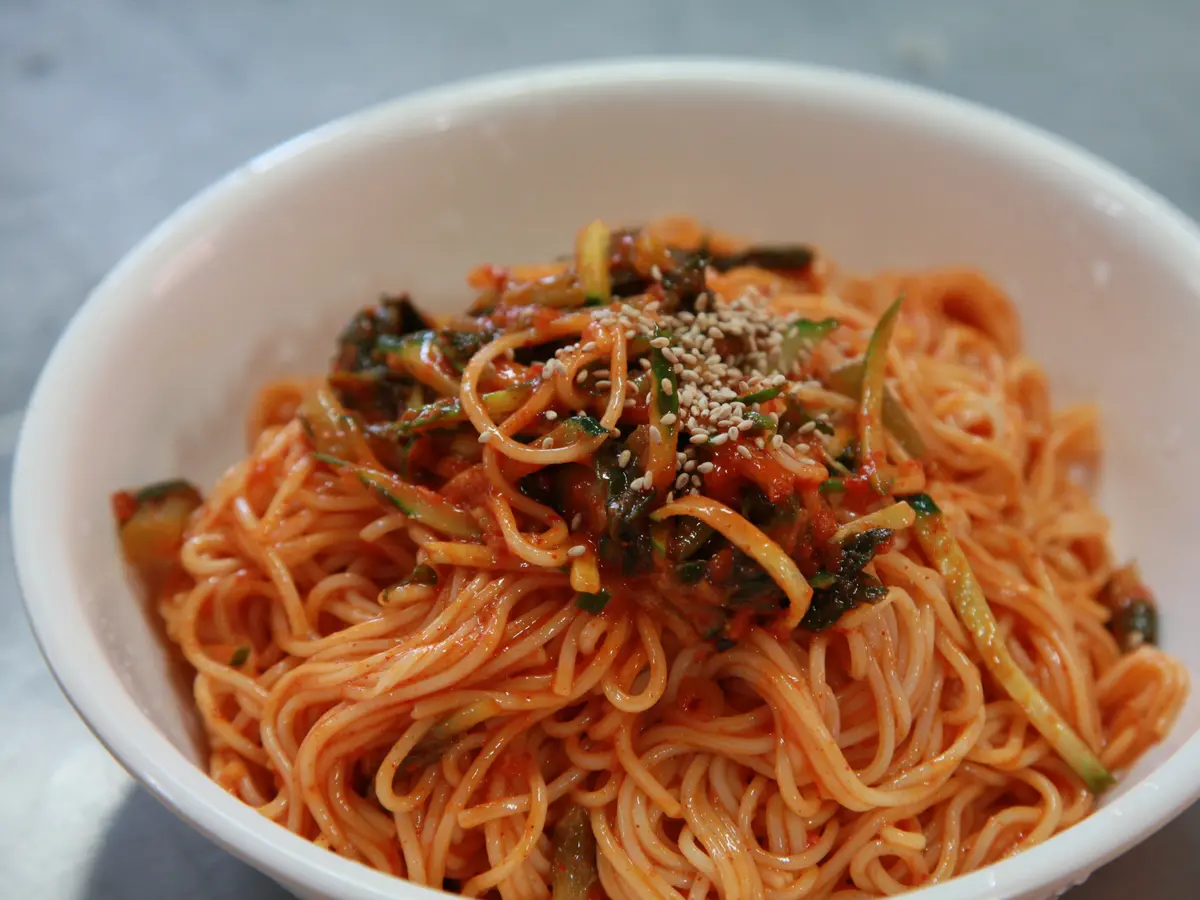
Bibim Guksu (Spicy Korean Cold Noodles)
Easy bibim guksu recipe: thin wheat noodles tossed in a sweet, tangy gochujang sauce with cucumber and egg. About 30 minutes, with mild and hot options.
30 min
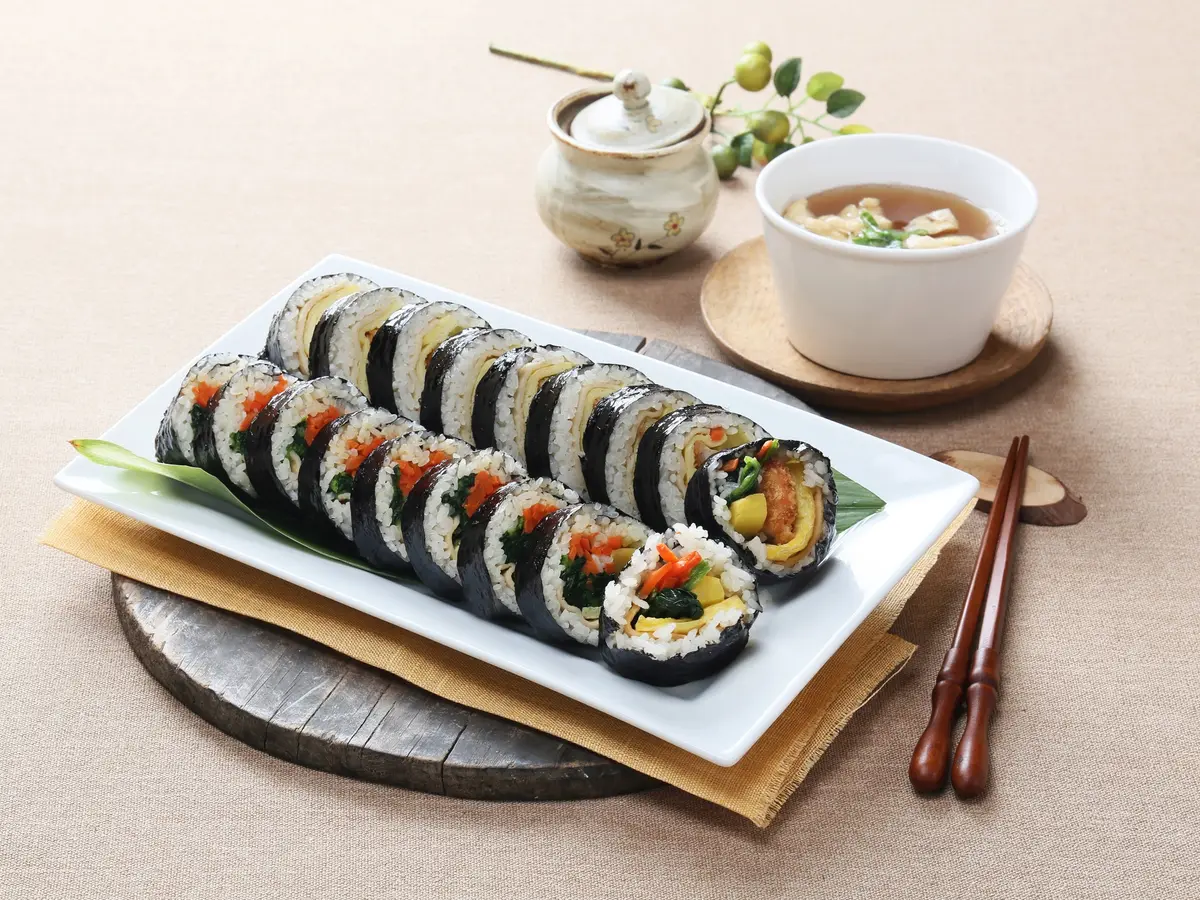
Easy Kimbap Recipe (Korean Seaweed Rice Rolls)
An easy kimbap recipe for beginners: seaweed rolls filled with sesame rice, egg, spinach, carrot and pickled radish, plus tips to stop them falling apart.
55 min
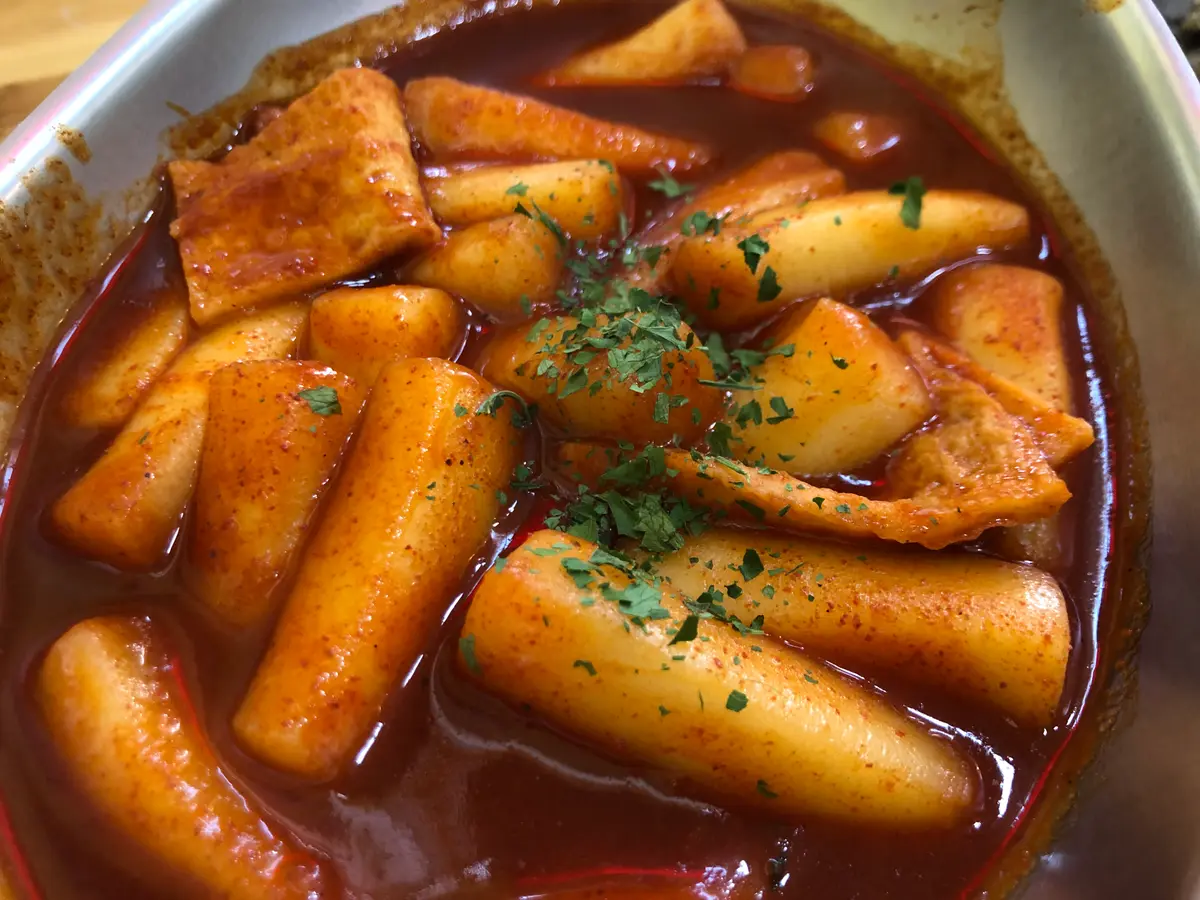
Tteokbokki (Spicy Korean Rice Cakes)
An easy tteokbokki recipe: chewy Korean rice cakes and fish cakes simmered in a sweet, spicy gochujang sauce, with tips on buying rice cakes and a mild option.
40 min