Kongnamul Muchim (Korean Seasoned Soybean Sprouts)
Prep 10 min · Cook 10 min · Serves 4 ·
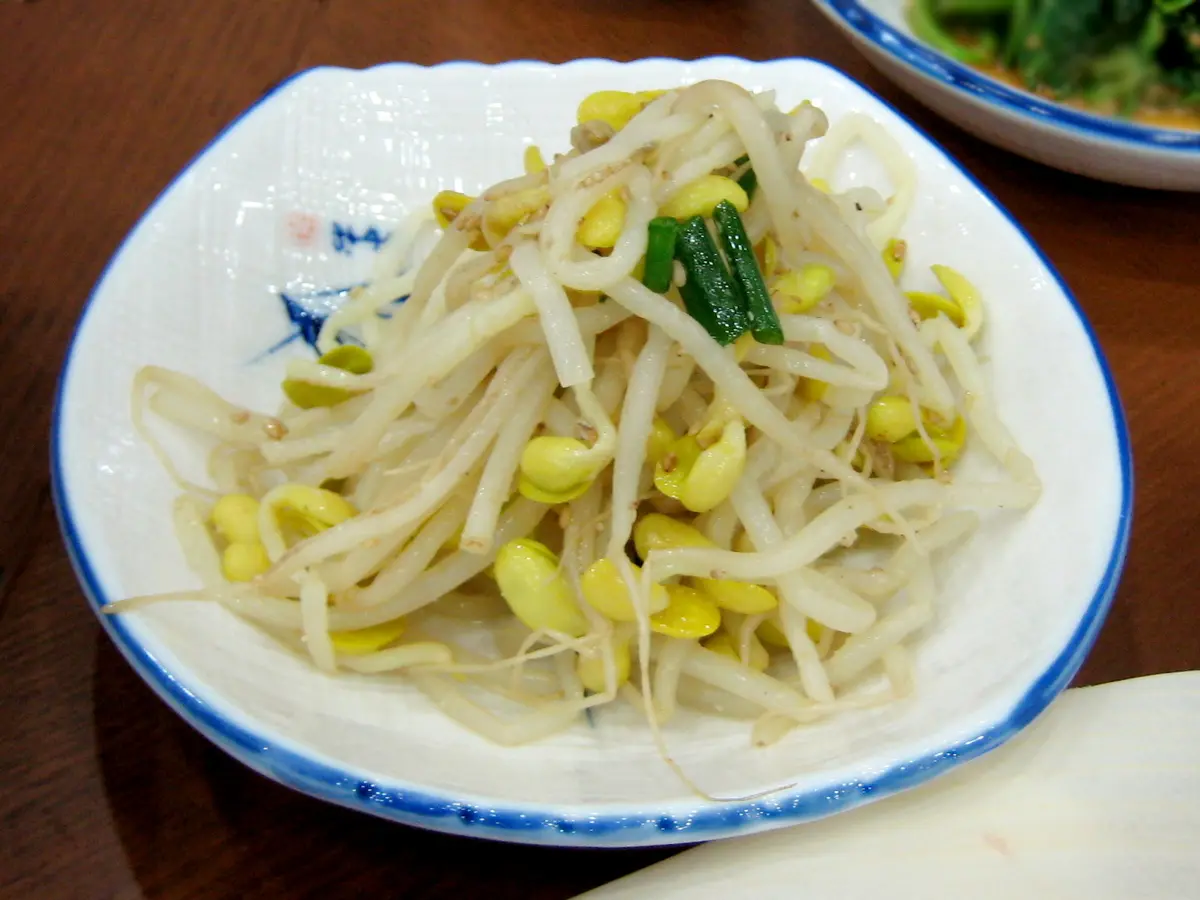
Kongnamul muchim (pronounced kong-nah-mool moo-chim) is one of the most common banchan, the small side dishes served with a Korean meal. Kongnamul means soybean sprouts, and muchim means seasoned by hand. The sprouts are steamed until just tender, then tossed with garlic, scallion, sesame oil and salt. The result is crunchy at the stem, nutty, and fresh tasting, and it takes about 20 minutes with a single pot. Soybean sprouts are not the same as the thin mung bean sprouts sold in most supermarkets. They have a big yellow bean head and a thick, crisp stem. The one rule that matters: keep the lid on while cooking. Lift it early and the sprouts can taste grassy and a bit fishy. This guide covers that rule, the right cooking time, and how to adjust the spice.
Recipe
Kongnamul Muchim (Korean Seasoned Soybean Sprouts)
Prep 10 min · Cook 10 min · Serves 4
Ingredients
- 12 oz (340 g) soybean sprouts (kongnamul), about 4 cups
- 1/2 cup (120 ml) water, for steaming
- 1/2 tsp salt, for the pot
- 2 cloves garlic, finely minced (about 2 tsp)
- 2 scallions (green onions), thinly sliced, about 1/4 cup or 25 g
- 1 1/2 tbsp (22 ml) toasted sesame oil
- 1/2 tsp fine salt, plus more to taste
- 1 tsp toasted sesame seeds
- 1 tsp gochugaru (Korean chili flakes), optional, for a mildly spicy version
- 1 tsp soy sauce or Korean soup soy sauce (guk-ganjang), optional, to replace part of the salt
Instructions
- 1Rinse the soybean sprouts in a colander under cold water. Pick out any brown, slimy or broken sprouts. You do not need to remove the bean heads or trim the tails unless the tails look dry or brown.
- 2Put the sprouts in a medium pot with a tight-fitting lid. Add the 1/2 cup (120 ml) of water and 1/2 tsp of salt. The water should only cover the bottom of the pot, because the sprouts steam as much as they boil.
- 3Cover the pot and set it over medium-high heat. Do not lift the lid while it cooks. Once you hear steam and bubbling, which takes about 3 minutes, set a timer and cook for 5 minutes more.
- 4Lift the lid. The sprouts should smell nutty and sweet, with no raw bean smell. Turn off the heat and drain the sprouts in a colander. Keep the cooking liquid if you like; it is a light, savory broth you can add to a soup.
- 5Spread the sprouts out in the colander for 2 to 3 minutes so the steam escapes. Do not rinse them in cold water, or the flavor washes out. Gently squeeze out extra water with your hands if they look wet.
- 6In a large bowl, combine the garlic, scallions, sesame oil, 1/2 tsp of salt and the gochugaru if using. Add the warm sprouts.
- 7Toss with your hands, or with chopsticks, until every sprout is coated. Taste and add a pinch of salt or a splash of soy sauce if needed.
- 8Sprinkle with sesame seeds. Serve right away while warm, or chill for 30 minutes and serve cold.
Why the lid stays on: Raw soybean sprouts have a beany, grassy smell, and some people call it fishy. Korean home cooks keep the lid on so the sprouts cook through evenly in the trapped steam, which helps that smell fade. If you open the lid too soon, the smell can linger in the dish. If you did lift the lid, put it back and cook the sprouts 2 to 3 minutes longer. A glass lid lets you watch without lifting it.
How long to cook: 5 minutes after the steam starts is the sweet spot for crunchy sprouts. For softer sprouts, cook 7 to 8 minutes. Sprouts cooked past 10 minutes turn limp and watery. Smaller bunches cook a little faster, so check at 4 minutes if you are making a half batch.
If the dish turns out watery: Drain well and let the sprouts sit in the colander before seasoning. Salt and sesame oil pull out a little extra liquid as the dish sits, so the dish is crunchiest on the day it is made.
Where to buy: Look for soybean sprouts at Korean and other Asian grocery stores, usually sold in bags near the tofu. Choose sprouts with firm white stems and bright yellow heads. Avoid any that are slimy or have a sour smell. They are best used within 2 to 3 days of buying.
Ingredient swaps: If you cannot find soybean sprouts, mung bean sprouts (sukju namul) work, but they cook much faster. Steam them for only 1 to 2 minutes, and skip the 5-minute rule. They will be softer and less nutty. Sesame oil is key to the flavor, so try not to leave it out. For garlic flavor with less bite, use 1 clove instead of 2. No scallions? Use chives.
Spice level: The version here is not spicy. To make it a mildly spicy side, add 1 tsp of gochugaru, as listed. For more heat, add 1 to 2 tsp, or a thinly sliced fresh chili. Both versions are common in Korean homes.
Dietary notes: As written, the dish contains no meat or dairy. Soy sauce usually contains wheat, so for gluten-free, use salt only, or a tamari or soy sauce labeled gluten-free, and check the label for wheat and barley. If you add soy sauce or guk-ganjang, check the label for fish or seafood ingredients, since some brands include anchovy or other extracts. Toasted sesame oil and seeds are common allergens.
Storage: Keep leftovers in an airtight container in the fridge for up to 3 days. The sprouts lose some crunch after the first day, but the taste stays good. Serve cold, or reheat for 30 seconds in the microwave. This dish does not freeze well, because the stems turn soft and mushy when thawed.
How to serve it: Kongnamul muchim is a key part of Bibimbap, where it adds a crunchy, nutty layer next to other seasoned vegetables. It is also a good partner to Korean Spinach Side Dish and Korean Cucumber Salad on a banchan spread. Serve it with steamed rice and a stew, such as Doenjang Jjigae or Sundubu Jjigae. It is also good in a lunchbox with Kimbap.
Variations: Some cooks add a teaspoon of rice vinegar for a tangy finish. Others add a small sliced carrot to the pot for color.
Related Recipes
Mayak Eggs (Korean Marinated Soft-Boiled Eggs)
Make mayak eggs, Korean soft-boiled eggs with jammy yolks marinated in a garlicky soy-scallion sauce. Step-by-step timing, fridge tips and spice swaps.
22 min
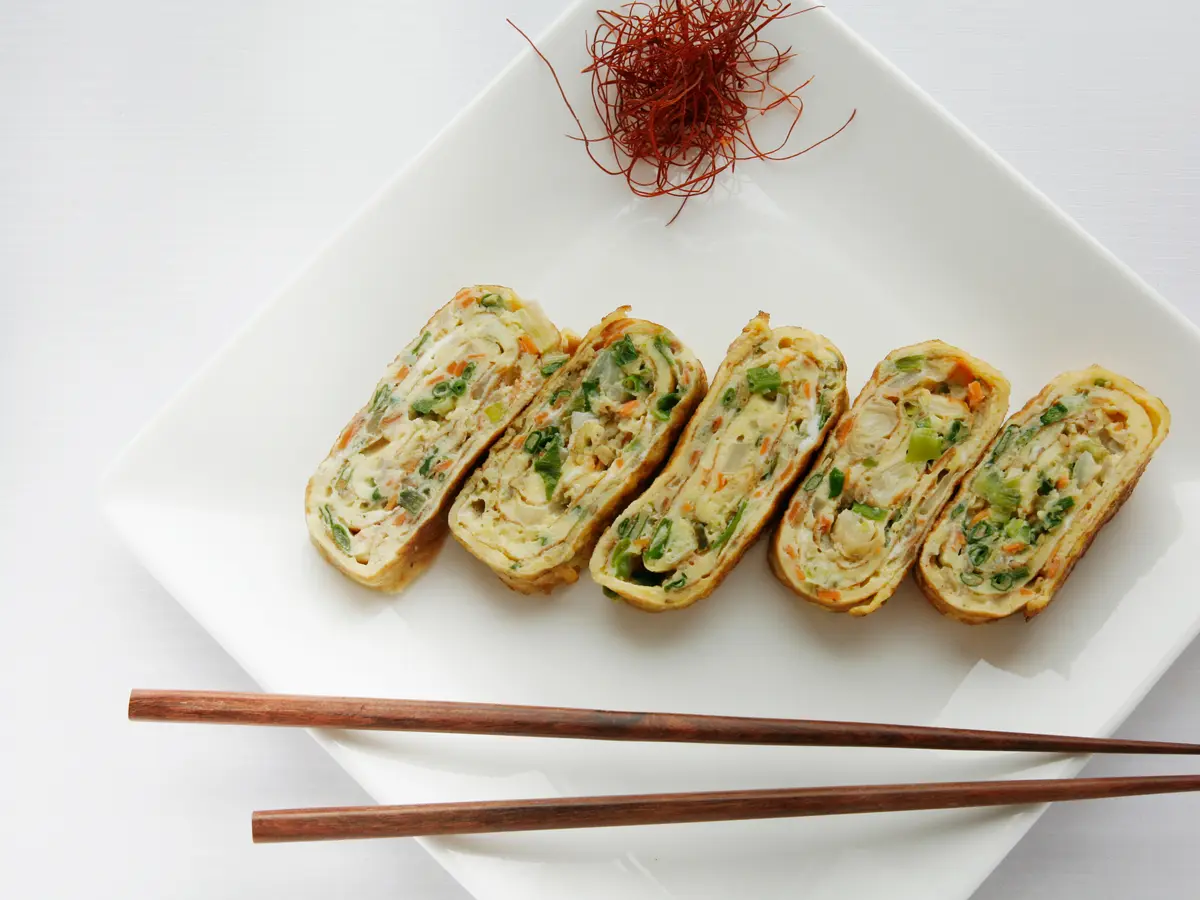
Gyeran Mari (Korean Rolled Omelette)
Gyeran mari, the Korean rolled omelette: eggs and finely chopped vegetables cooked in thin layers and rolled up. Low heat, one pan, no special tools.
22 min
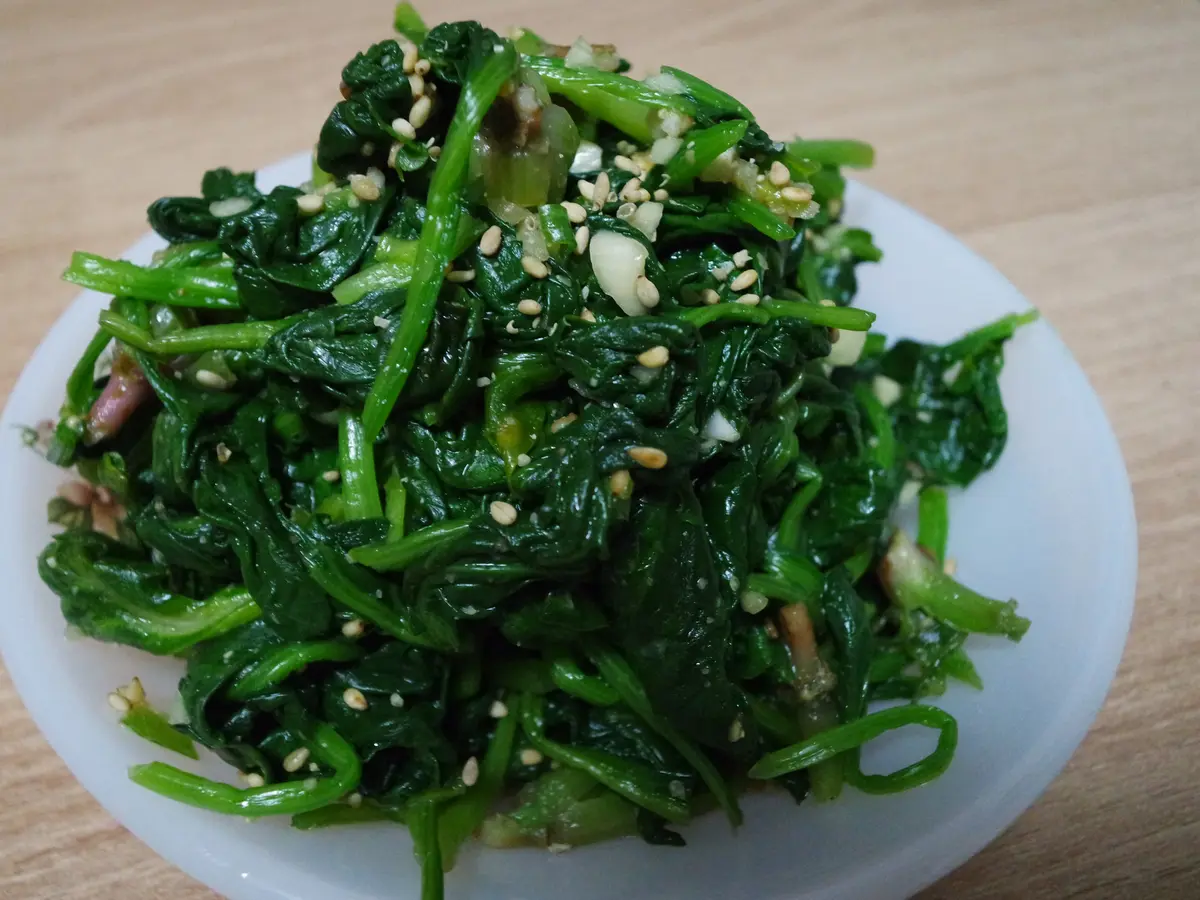
Korean Spinach Side Dish (Sigeumchi Namul)
Korean spinach side dish (sigeumchi namul): blanched spinach squeezed dry and tossed with garlic, sesame oil and soy sauce. Ready in 15 minutes.
15 min