Korean Cucumber Salad (Oi Muchim)
Prep 25 min · Cook 0 min · Serves 4 ·
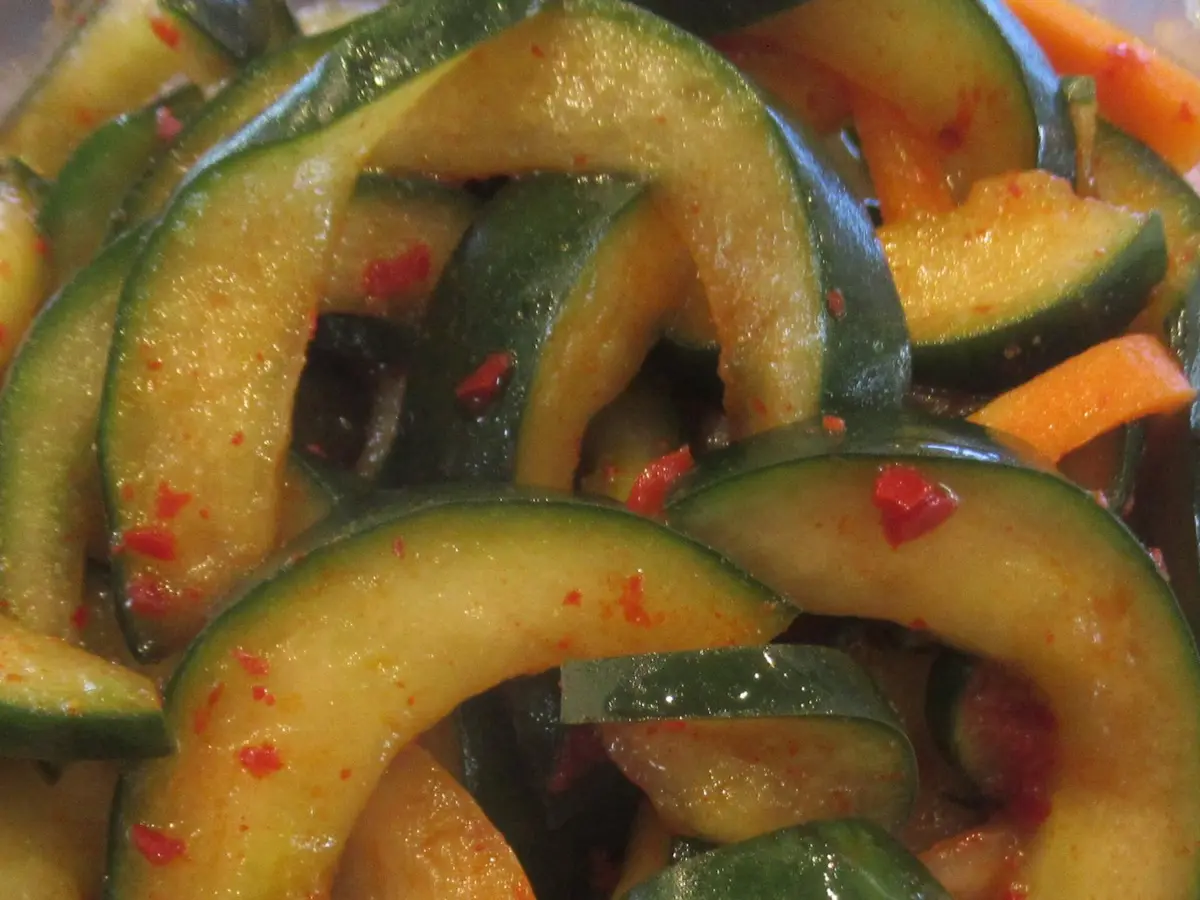
Korean cucumber salad, or oi muchim (pronounced oh-ee moo-chim), is one of the simplest banchan, the small side dishes served with rice at a Korean meal. Thin cucumber slices are salted briefly so they stay crunchy, then tossed with gochugaru (Korean chili flakes), garlic, vinegar, a little sugar and sesame. Oi means cucumber, and muchim refers to a dish tossed with seasoning, usually by hand. The result is cool, crisp, tangy and gently spicy: a refreshing contrast to rich or spicy main dishes and an easy side for summer barbecues. It takes about 10 minutes of hands-on work plus 15 minutes of salting. Apart from the gochugaru, everything is a supermarket staple, and the notes below the recipe explain which cucumbers to buy, how to keep them crunchy and how to make it with no chili flakes at all.
Recipe
Korean Cucumber Salad (Oi Muchim)
Prep 25 min · Cook 0 min · Serves 4
Ingredients
- 1 lb (450 g) cucumbers, thinly sliced (about 4 cups)
- 1 tsp (5 to 6 g) fine sea salt or table salt, for salting (see the notes if using kosher salt)
- 1/4 medium yellow or red onion (about 40 g), thinly sliced (optional)
- 2 scallions (green onions, about 30 g), cut into 1-inch (2.5 cm) pieces (optional)
- 2 garlic cloves, finely minced
- 1 tbsp (about 6 g) gochugaru (Korean chili flakes), or to taste (see the notes for swaps and a no-chili version)
- 1 1/2 tbsp (about 22 ml) unseasoned rice vinegar or apple cider vinegar
- 2 tsp (8 g) granulated sugar, or 2 tsp honey
- 1 tsp (5 ml) fish sauce or soy sauce, plus more to taste
- 1 tsp (5 ml) toasted sesame oil
- 2 tsp (about 6 g) toasted sesame seeds (optional)
Instructions
- 1Wash the cucumbers and trim off both ends. Persian, English, Kirby and Korean cucumbers can keep their skin on. If you are using thick-skinned slicing cucumbers (the kind often coated in wax), peel them, cut them in half lengthwise and scrape out the seeds with a teaspoon.
- 2Slice the cucumbers into thin rounds about 1/8 inch (3 mm) thick. Cut English cucumbers in half lengthwise first, then slice them (and any halved slicing cucumbers) into half-moons. Keep the slices as even as you can so they all salt at the same speed.
- 3Put the slices in a large bowl, sprinkle with the salt and toss with your hands until every slice is lightly coated. Let them stand for 15 minutes, tossing once halfway through. They will release a pool of liquid and turn slightly bendy.
- 4While the cucumbers salt, mince the garlic. If you are using them, thinly slice the onion and cut the scallions. If your onion tastes very sharp, soak the slices in cold water for 10 minutes, then drain and pat them dry.
- 5Make the dressing in a small bowl: stir together the gochugaru, garlic, vinegar, sugar and fish sauce until the sugar dissolves. Let it sit until the cucumbers are ready; the chili flakes soften and the dressing turns a deeper red.
- 6Check the cucumbers. A slice should bend without snapping and taste lightly seasoned. If it tastes harshly salty, rinse the slices briefly under cold water.
- 7Pour off the liquid. Squeeze the slices a handful at a time over the sink, or wrap them in a clean kitchen towel and press firmly. Remove as much water as you can without tearing the slices, and squeeze extra well if you rinsed them.
- 8Put the squeezed cucumbers in a clean mixing bowl (the salting bowl, wiped dry, is fine) with the onion and scallions (if using), add the dressing and toss until every slice is evenly coated. Clean hands do the most even job, but wear food-safe gloves or use two spoons, because chili flakes and garlic can sting your skin.
- 9Drizzle in the sesame oil, sprinkle in the sesame seeds (if using) and toss once more. Taste and adjust: a pinch of salt or a few drops of fish sauce if it tastes flat, a splash of vinegar for more tang or a pinch of sugar to soften the heat.
- 10Serve right away, or chill it for 30 minutes to 1 hour if you like it cold. It is at its crunchiest within the first few hours.
Tips for getting it right: A watery salad is the most common problem, and it usually means the salting was skipped or rushed. Salt pulls water out of the cucumbers before they meet the dressing; skip it and that water floods the bowl later and dilutes the flavor. Squeeze the slices well, and toss them with the dressing close to serving time, because the salt and sugar in the dressing keep drawing out water. Short on time? Even 10 minutes of salting helps. If the finished salad tastes flat, it usually needs a pinch of salt, not more chili. If it is too salty, stir in a few fresh cucumber slices and a splash of vinegar. And watch out for seasoned rice vinegar (sushi vinegar): it already contains sugar and salt, so if that is what you have, leave out the sugar and taste before adding the fish sauce.
Which cucumbers to buy: Prefer thin-skinned cucumbers. For 1 lb (450 g), use about 5 to 6 Persian (mini), 1 large English, 3 to 4 Kirby or 2 to 3 Korean cucumbers. Korean cucumbers, sold at Korean and other Asian grocery stores, are slim and crisp with thin skin and small seeds, but several supermarket types work just as well. Persian cucumbers, often sold in bags as mini or snacking cucumbers, are the closest match: thin skin, very few seeds and lots of crunch. English cucumbers (also called hothouse or seedless cucumbers), the long ones often sold wrapped in plastic, also have thin skin and small, soft seeds; in the UK, this is the everyday supermarket cucumber. Kirby or pickling cucumbers are short and bumpy, with firm flesh and a great snap. Regular slicing cucumbers, the thick, dark green ones often coated in wax, suit this dish least. The wax is food-safe, but the skin is tough and can taste bitter, and the large seeds are watery, so peel them, scrape out the seeds and give them the full 15 minutes of salting. Whatever you buy, choose firm cucumbers with no soft spots.
About the salt: The amount assumes fine sea salt or table salt. Kosher salt crystals are bigger, so less salt fits in a spoon; use about 1 1/4 tsp of Morton kosher salt or 2 tsp of Diamond Crystal for the same effect.
Spice level and a no-gochugaru option: With 1 tbsp of a standard gochugaru, the salad is gently spicy, warm rather than fiery, but brands vary, so taste a pinch of yours first. For a milder salad use 1 tsp; for more heat use up to 2 tbsp or add a thinly sliced fresh chili. No gochugaru? Gochujang (Korean chili paste), now sold in many supermarkets, is the easiest swap: stir 1 tbsp into the dressing instead, cut the sugar to 1 tsp and taste before adding the fish sauce, because the paste is already sweet and salty. The dressing will be thicker and more red-brown than bright red. Crushed red pepper flakes (pizza flakes) are much hotter than gochugaru, so use only 1/4 to 1/2 tsp, plus 1 tsp sweet paprika for color. Or leave the chili out: use soy sauce instead of fish sauce and double the sesame seeds for a mild soy-sesame cucumber salad that also suits children.
Vegan and gluten-free: Korean cooks often use Korean anchovy fish sauce (myeolchi aekjeot), but any fish sauce from the supermarket works. For a vegan salad, use soy sauce instead, and sugar rather than honey. For gluten-free, use tamari or a soy sauce labeled gluten-free and check the label on your fish sauce. If you use the gochujang swap, check that label too, because many brands contain wheat.
Make ahead and storage: The salad is crunchiest the day it is made. To get ahead, salt and squeeze the cucumbers and mix the dressing up to 4 hours early, refrigerate them in separate covered containers, then toss together just before serving. Leftovers keep in an airtight container in the fridge for up to 2 days. They turn softer and release more liquid, so pour it off and toss again before serving. Freezing is not recommended, because thawed cucumbers turn mushy.
Variations: Garlic chives (buchu), sold in bunches at Asian grocery stores, are a common partner for cucumber in Korean cooking; use a small handful cut into 1-inch (2.5 cm) pieces instead of the scallions. For color and extra crunch, add 1/2 medium carrot (about 30 g), cut into thin strips or matchsticks, when you toss the cucumbers with the dressing. For a less tangy, nuttier salad, cut the vinegar to 2 tsp and add an extra 1 tsp sesame oil.
What to serve with it: At a Korean meal, this cool, crunchy salad balances richer or spicier dishes. Try it with Beef Bulgogi and rice, or next to a bubbling stew such as Kimchi Jjigae or Sundubu Jjigae. Well drained, it also makes a good topping for Easy Bibimbap at Home. Outside Korean meals, serve it with grilled chicken, fish or burgers.
Related Recipes
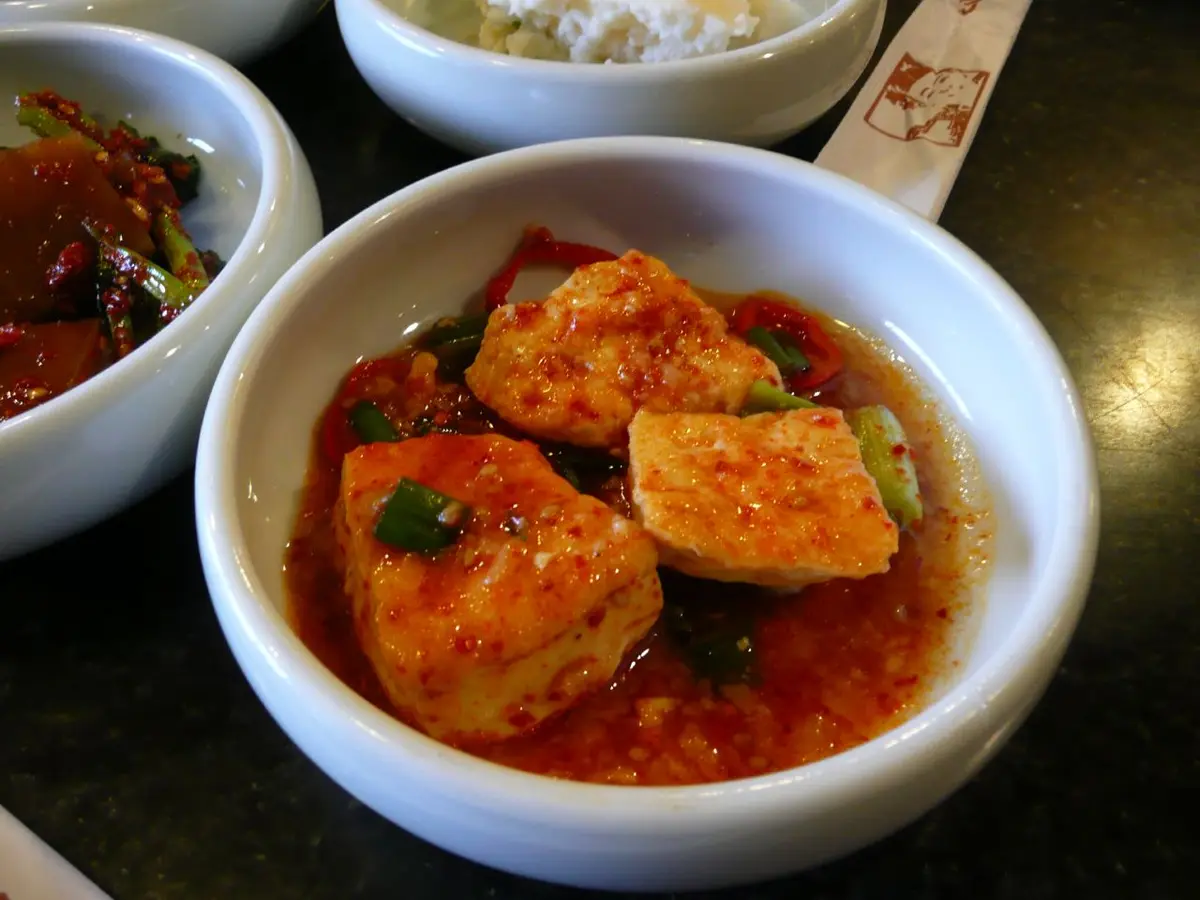
Dubu Jorim (Korean Braised Tofu)
Make dubu jorim, Korean braised tofu pan-fried until golden, then simmered in a garlicky soy and chili sauce. Easy, cheap, with fixes for crumbly tofu.
45 min
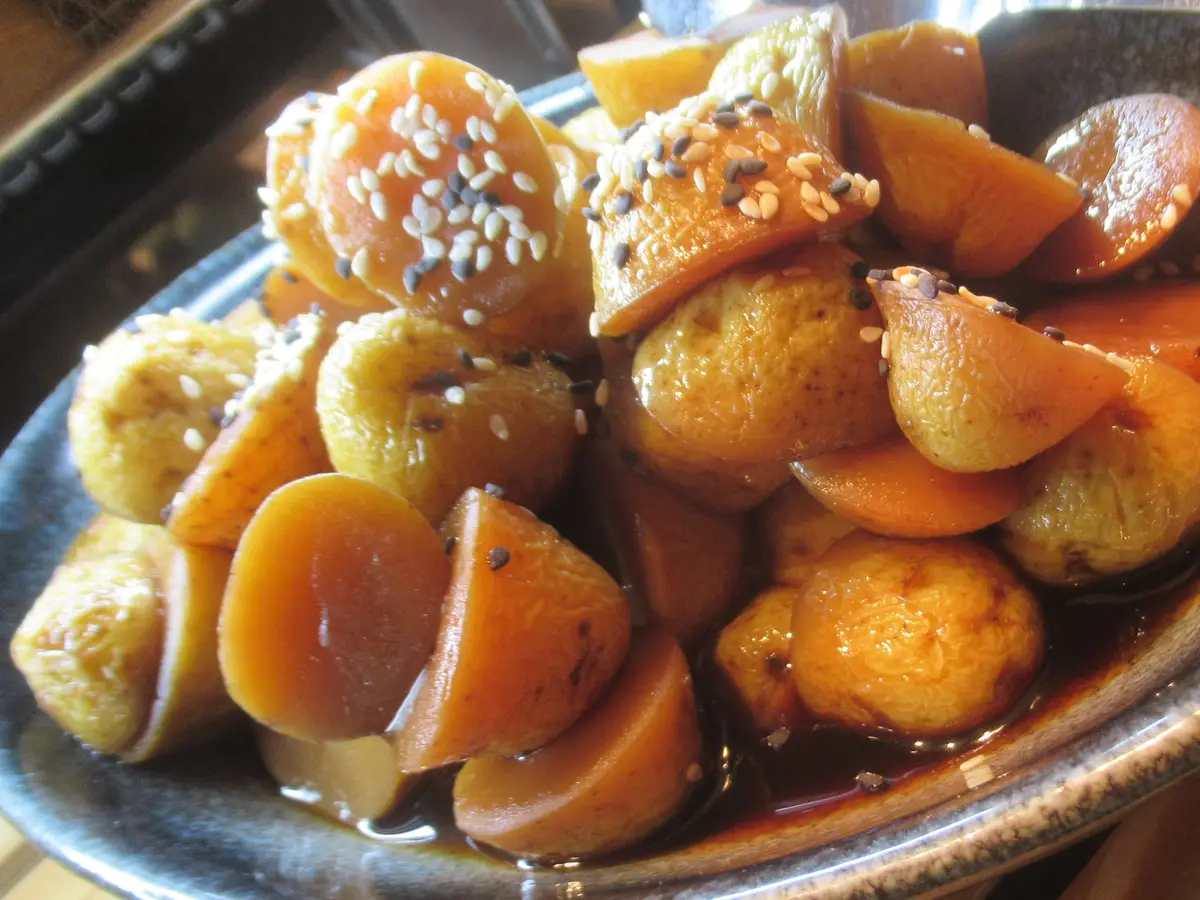
Gamja Jorim (Korean Braised Potatoes)
Make gamja jorim, Korean braised potatoes in a sticky sweet-salty soy glaze. Cheap, easy and lunchbox friendly, with fixes for mushy potatoes and thin sauce.
50 min
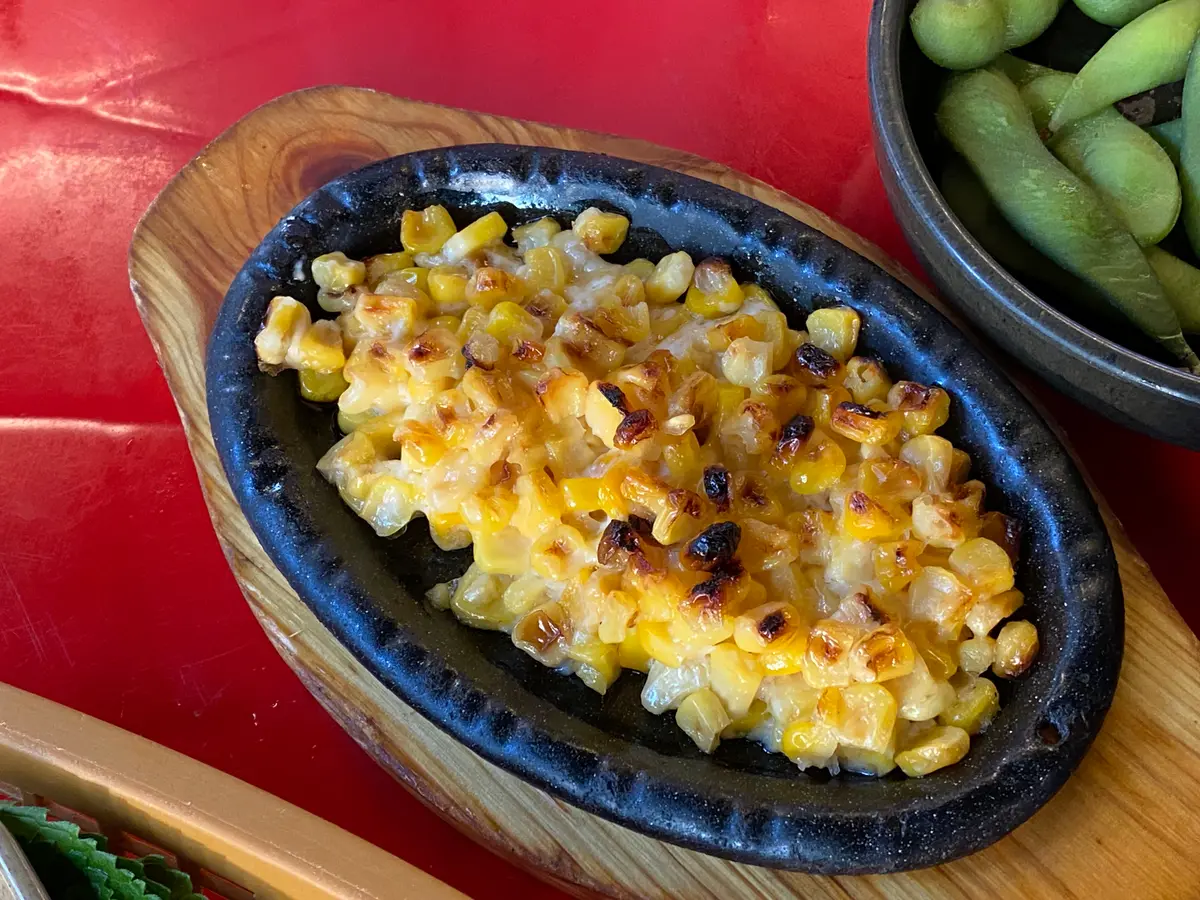
Korean Corn Cheese (Baked Sweet Corn with Mozzarella)
Make Korean corn cheese at home with canned corn, mayo and mozzarella, baked until bubbly. Includes fixes for watery corn and a no-oven option.
25 min