Korean Spinach Side Dish (Sigeumchi Namul)
Prep 10 min · Cook 5 min · Serves 4 ·
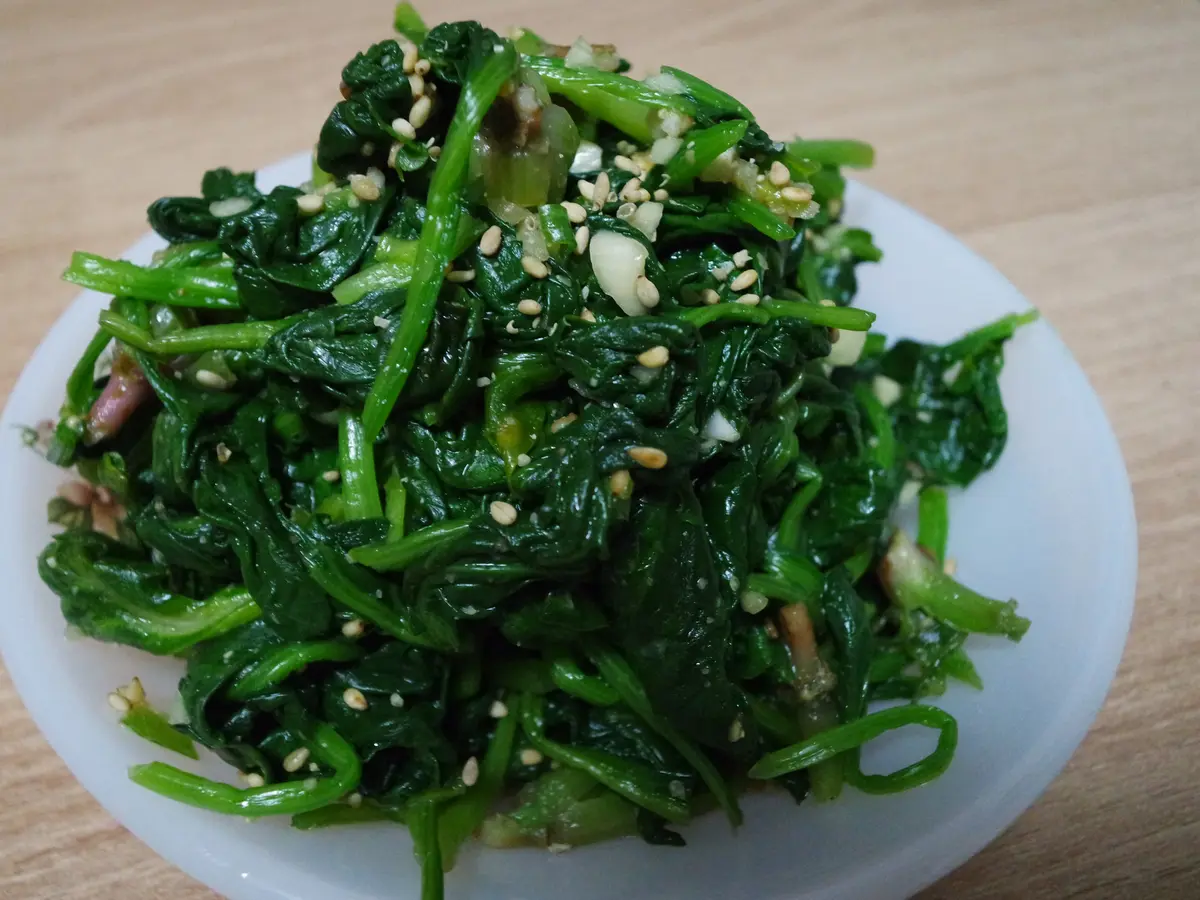
Sigeumchi namul (pronounced shee-gum-chee nah-mool) is seasoned spinach, one of the most common banchan, the small side dishes served with rice at a Korean meal. Sigeumchi means spinach, and namul is the general name for seasoned vegetable side dishes, most often greens that are blanched or lightly cooked and then seasoned. The spinach is dipped in boiling water for less than a minute, cooled, squeezed dry and tossed with garlic, sesame oil, toasted sesame seeds and a little soy sauce and salt. It tastes clean, nutty and gently savory, and it is served cold or at room temperature. All of the ingredients are supermarket staples, and most of the 15 minutes is spent waiting for the water to boil. The notes below the recipe cover the two things beginners struggle with: a watery, bland result and choosing between bunched, baby and frozen spinach.
Recipe
Korean Spinach Side Dish (Sigeumchi Namul)
Prep 10 min · Cook 5 min · Serves 4
Ingredients
- 1 lb (450 g) fresh bunched spinach (1 large or 2 small bunches), or 1 lb (450 g) baby spinach (see the notes)
- 1 tsp (5 to 6 g) fine sea salt or table salt, for the blanching water
- 1 garlic clove, finely minced
- 1 scallion (green onion, about 15 g), finely chopped (optional)
- 1 tsp (5 ml) soy sauce
- 1/4 tsp (about 1.5 g) fine sea salt or table salt, plus more to taste
- 1 tbsp (15 ml) toasted sesame oil
- 1 tbsp (about 9 g) toasted sesame seeds
Instructions
- 1Prepare the spinach. For bunched spinach, trim off the thin, hairy roots but keep the base where the stems join, then cut any very large bunch lengthwise through the base so each piece is about as thick as two fingers. Discard yellow or slimy leaves. For baby spinach, just pick out any damaged leaves.
- 2Wash the spinach in a large bowl of cold water, swishing it around so the grit falls to the bottom. Lift the spinach out, change the water and repeat until no sand is left in the bowl, usually two or three rounds. Pay attention to the base of each bunch, where soil collects.
- 3Fill a large bowl with cold water (add a handful of ice if your tap water is warm) and set it next to the stove. Bring a large pot of water, at least 3 quarts (3 liters), to a rolling boil and add the 1 tsp salt.
- 4Add the spinach to the boiling water. With bunched spinach, hold the leaves and lower the stems in first for about 10 seconds, then push the leaves under. Cook bunched spinach for 20 to 30 seconds and baby spinach for about 10 seconds, just until the leaves wilt and turn bright green. The stems should still bend with a little resistance.
- 5Lift the spinach out right away with tongs or a slotted spoon, or drain it in a colander, and plunge it into the cold water. Move it around until it feels completely cool, about 30 seconds, then lift it out.
- 6Squeeze out the water. Take a handful at a time, gather it into a log and press firmly between both palms until only a few drops come out. It should feel damp, not dripping. You will be left with a compact ball of spinach, roughly 1 cup.
- 7Put the squeezed spinach on a cutting board and cut it into 2-inch (5 cm) lengths. Bunched spinach usually needs one or two cuts across the log; baby spinach may need only one.
- 8Put the spinach in a mixing bowl and pull the pieces apart with your fingers, loosening the clumps so the seasoning can reach every leaf.
- 9Add the garlic, scallion (if using), soy sauce and 1/4 tsp salt. Toss gently with your fingertips (or wear food-safe gloves) for about 30 seconds, as if fluffing the leaves rather than kneading them, so the stems stay intact.
- 10Add the sesame oil and sesame seeds and toss once more. To release more flavor, crush the sesame seeds between your fingers as you sprinkle them in.
- 11Taste a piece with a stem. If it tastes flat, add salt a pinch at a time and toss again. Serve right away at room temperature, or chill it for 30 minutes.
Tips for getting it right: A watery, bland bowl is the most common problem, and it nearly always means the spinach was not squeezed enough. Blanched spinach holds a surprising amount of water, and any that stays behind dilutes the seasoning and pools at the bottom of the bowl. Press each handful until it barely drips; you do not need to wring it until it is crumbly and dry. The second problem is overcooking. Spinach goes from bright green and tender to dark, slippery and mushy in well under a minute, so set a timer and have the cold water ready before the spinach goes in. If the finished spinach tastes dull, it almost always needs salt, not more soy sauce or sesame oil.
Which spinach to buy: Bunched spinach, the kind sold in bundles with stems and often a bit of root still attached, gives the best texture: tender leaves with stems that still have some bite. Korean grocery stores sometimes sell a short, flat, dark green type with a pinkish base, and many Korean cooks keep that base on because it is slightly sweet. Baby spinach from a bag or clamshell works too and needs no trimming, but its leaves are thinner, so blanch it only briefly, squeeze it gently and expect a softer result. Frozen spinach is the least ideal: it is already cooked and often finely chopped, so it turns out soft. If that is what you have, thaw a 10 oz (280 g) package, skip the blanching, squeeze it well and season it as above, starting with half the salt and adding more after tasting.
Why so little seasoning: Namul is meant to taste of the vegetable, with the garlic and sesame in the background. One pound of raw spinach shrinks to about a cup once cooked and squeezed, so a little seasoning goes a long way. Add more garlic or salt only after tasting.
Soy sauce and salt: The recipe uses regular soy sauce because it is easy to find. Many Korean cooks season namul with guk-ganjang (Korean soup soy sauce), which is lighter in color but saltier than regular soy sauce, so it seasons the spinach without darkening it much. If you buy it, use 1 tsp in place of the regular soy sauce and add the 1/4 tsp salt only if needed. You can also season the spinach with salt alone, about 1/2 tsp in total, for the brightest green color.
Vegan and gluten-free: The recipe uses no meat, fish or dairy, but check the labels on bottled sauces. Soy sauce, and especially soup soy sauce, can contain fish or other seafood extracts in some brands, so look for one with no fish, shellfish or meat in the ingredients. Most soy sauce is brewed with wheat; for gluten-free spinach, use tamari or a soy sauce labeled gluten-free, or simply season with salt.
Storage: Refrigerate the spinach within 2 hours in an airtight container. It keeps for up to 3 days, though the color darkens a little and some liquid gathers at the bottom; pour it off and toss again before serving. Serve it cold or let it sit out for 15 minutes; there is no need to reheat it. Freezing is not recommended, because thawed spinach turns mushy.
Variations: For a doenjang version, a common home-style alternative, leave out the soy sauce and salt and mix 2 tsp doenjang (Korean fermented soybean paste) with the garlic before tossing; check the doenjang label for fish, shellfish or meat if you are cooking vegan. For a spicy version, mix in 1 tsp gochujang (Korean chili paste) and cut the salt to a pinch, or sprinkle in 1/2 tsp gochugaru (Korean chili flakes). The same method works for other leafy greens with tender stems, such as young bok choy, cut into pieces before blanching.
What to serve with it: Serve it as one of several banchan next to rice and a main dish such as Beef Bulgogi, or with a stew like Doenjang Jjigae or Kimchi Jjigae, alongside Korean Cucumber Salad for contrast. It is also the classic spinach topping in Easy Bibimbap at Home, and Japchae uses the same blanch-and-squeeze step for its spinach.
Related Recipes
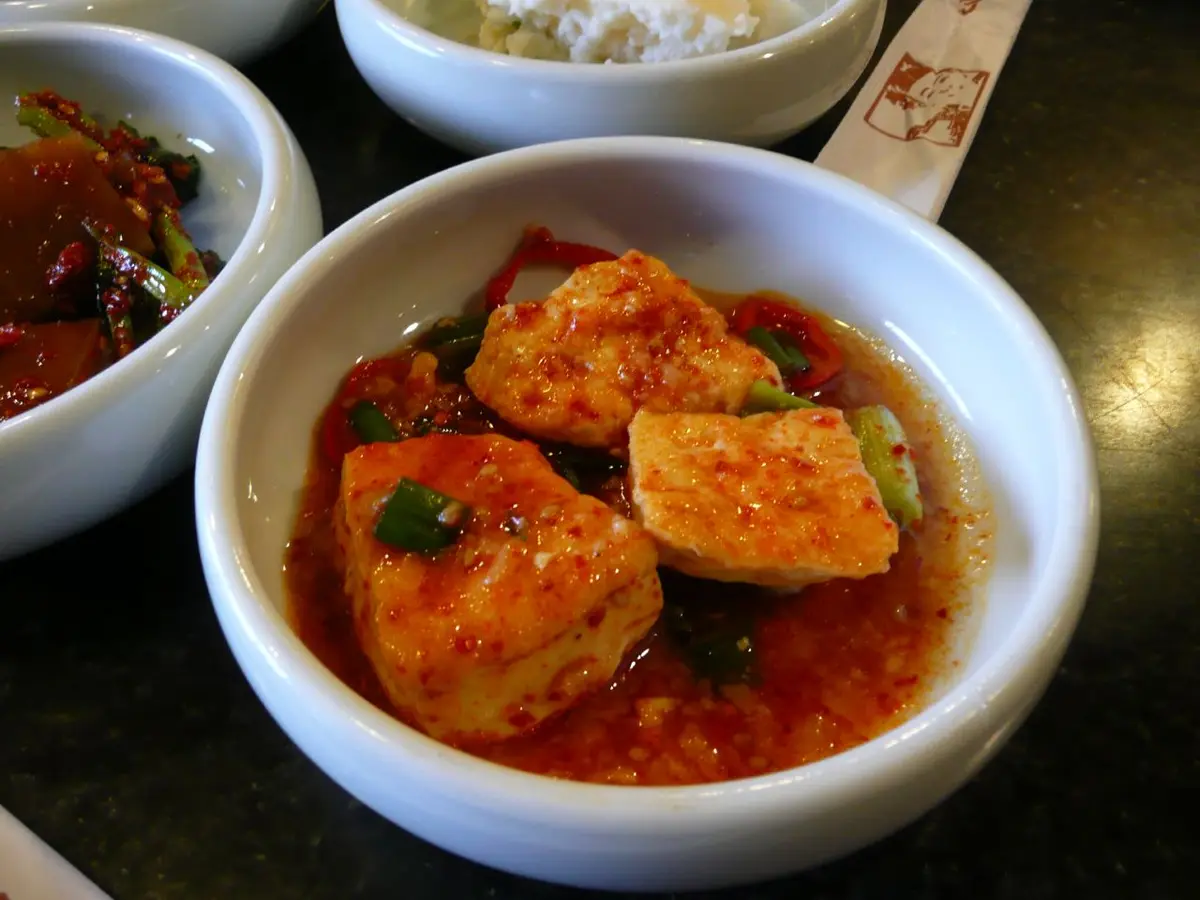
Dubu Jorim (Korean Braised Tofu)
Make dubu jorim, Korean braised tofu pan-fried until golden, then simmered in a garlicky soy and chili sauce. Easy, cheap, with fixes for crumbly tofu.
45 min
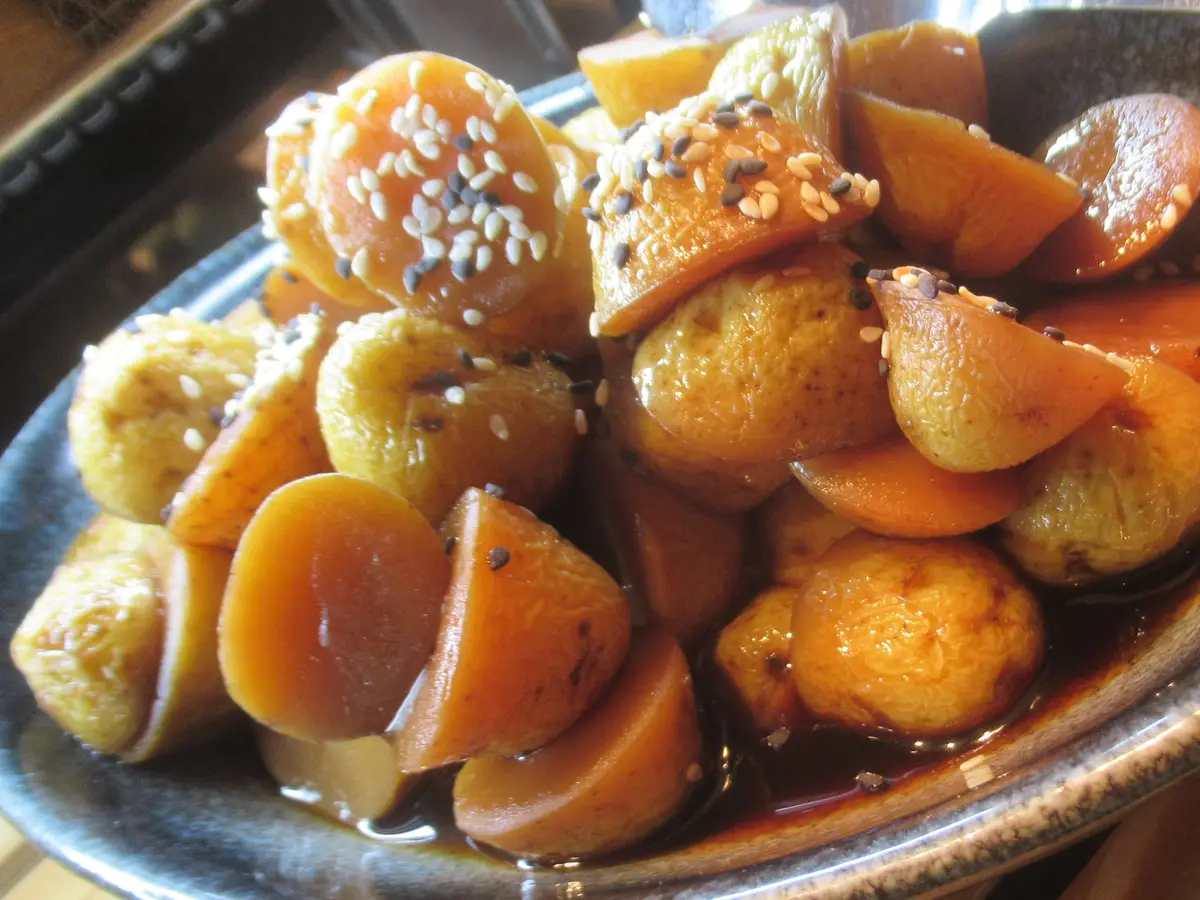
Gamja Jorim (Korean Braised Potatoes)
Make gamja jorim, Korean braised potatoes in a sticky sweet-salty soy glaze. Cheap, easy and lunchbox friendly, with fixes for mushy potatoes and thin sauce.
50 min

Korean Corn Cheese (Baked Sweet Corn with Mozzarella)
Make Korean corn cheese at home with canned corn, mayo and mozzarella, baked until bubbly. Includes fixes for watery corn and a no-oven option.
25 min