Mayak Eggs (Korean Marinated Soft-Boiled Eggs)
Prep 15 min · Cook 7 min · Serves 6 ·
Mayak eggs (pronounced mah-yahk) are soft-boiled eggs steeped in a sweet-salty soy marinade with garlic, scallions and chili. The name mayak (마약) literally means "drug" in Korean, a playful way of saying the eggs are hard to stop eating, and the catchy name helped them go viral online. Underneath the hype is a simple banchan (small side dish) that works as a make-ahead fridge staple. The yolk stays soft and jammy, and the white turns savory and slightly firm as it absorbs the sauce. Spoon them over hot rice, tuck them into a bowl of ramen, or eat one straight from the jar. The recipe needs only a few pantry items and 15 minutes of work, but the timing matters. The notes below explain how to get a jammy yolk, why eggs sometimes turn too salty, and how to keep them safe in the fridge.
Recipe
Mayak Eggs (Korean Marinated Soft-Boiled Eggs)
Prep 15 min · Cook 7 min · Serves 6
Ingredients
- 6 large eggs, cold from the fridge
- 1/3 cup (80 ml) soy sauce (a regular all-purpose soy sauce, not dark or extra salty)
- 1/2 cup (120 ml) water
- 1 1/2 tbsp (18 g) sugar
- 1 tbsp (15 ml) rice syrup, honey or more sugar (optional, for a glossier sauce)
- 3 cloves garlic, thinly sliced or finely chopped
- 3 scallions (green onions), thinly sliced, about 1/3 cup or 35 g
- 1 to 2 fresh chilies (Korean green chili, jalapeno or Thai chili), sliced; or 1 tsp gochugaru (Korean chili flakes), optional
- 1 tbsp (15 ml) toasted sesame oil
- 1 tsp toasted sesame seeds
- 1/4 small onion, thinly sliced (optional)
- Ice and cold water for the ice bath
Instructions
- 1Make the marinade first. In a bowl or large measuring cup, stir the soy sauce, water, sugar and rice syrup (if using) until the sugar dissolves. Stir in the garlic, scallions, chili, onion (if using), sesame oil and sesame seeds. Set it aside while the eggs cook.
- 2Fill a bowl with ice and cold water for the ice bath. Bring a medium pot of water to a full, rolling boil. Use enough water to cover the eggs by about 1 inch (2.5 cm).
- 3Lower the cold eggs into the boiling water one at a time with a spoon, so they do not crack against the pot. Start a timer right away and keep the water at a gentle but steady boil.
- 4Cook large eggs for 6 1/2 to 7 minutes. At 6 1/2 minutes the yolk is runny in the center; at 7 minutes it is jammy and thick, which is what most people want. Do not go past 7 1/2 minutes, because the yolk will turn firm and chalky.
- 5As soon as the timer rings, move the eggs into the ice bath with a slotted spoon. Let them cool for at least 5 minutes. This stops the cooking and makes the shells easier to peel.
- 6Peel the eggs under a thin stream of cold running water or in the ice bath. Tap each egg on the counter, roll it gently to crack the shell all over, and peel from the wider end, where the air pocket is. The whites are soft, so go slowly.
- 7Place the peeled eggs in a glass jar, a lidded container or a zip-top bag, packed snugly. A snug fit means you need less marinade to cover them.
- 8Pour the marinade over the eggs so they are fully covered. If any egg floats above the liquid, place a folded paper towel or a small plate on top to keep it under, or use a zip-top bag and press out the air.
- 9Cover and refrigerate for at least 8 hours. For the best flavor, wait 24 hours. Turn the eggs or gently shake the container once or twice if they are not fully covered.
- 10To serve, lift the eggs out, slice them in half and spoon a little of the marinade, garlic and scallions over the top. Serve them cold or at room temperature over warm rice.
Getting the yolk right: The two things that decide the yolk are the egg's starting temperature and the water. Cold eggs lowered into already-boiling water give the most consistent result. At 6 1/2 minutes you get a runny yolk, at 7 minutes a jammy one, and at 8 to 9 minutes a mostly set yolk. If your eggs are medium, cut about 30 seconds; for extra-large, add about 30 seconds. Stoves and pots differ, so cook one test egg first if you want to be sure. Marinating also keeps changing the yolk: after a day or two in the sauce it firms up slightly and tastes cured, so a slightly runnier egg at the start still works well.
If the eggs taste too salty: The longer the eggs sit in the sauce, the saltier they get. If the first batch is too salty for you, dilute the marinade with 2 to 3 tbsp more water next time, or take the eggs out after 8 to 12 hours. Serving them over plain rice or noodles also balances the salt. Soy sauces differ a lot in saltiness, so taste the marinade before you pour it; it should taste quite salty and a little sweet, like a strong dipping sauce, because the egg whites dilute it.
If peeling goes badly: Very fresh eggs are harder to peel than eggs that are a week or two old. Starting in boiling water, a full 5-minute ice bath and peeling under running water all help. If an egg tears, it is still fine to eat; marinate it anyway, though the sauce will soak into the torn spot faster.
Spice level: Mild as written, with only a little heat from the chili. For no heat, leave out the chili and gochugaru. For a lot of heat, use Thai chilies or add 1 to 2 tsp of gochugaru. A spoonful of gochujang (Korean chili paste) stirred into the marinade makes it spicy-sweet and thicker, but it also darkens the sauce.
Ingredient swaps: No rice syrup? Use honey or extra sugar. No scallions? Use chives or the green tops of leeks. If you cannot find Korean chilies, jalapenos work well. A teaspoon of rice vinegar adds a little tang, and 1 tbsp of mirin can replace 1 tbsp of the water.
Dietary notes: Eggs are vegetarian, but read the labels on your soy sauce and any gochujang or other add-ins for fish or seafood ingredients. Soy sauce usually contains wheat, so for a gluten-free version use tamari or a soy sauce labeled gluten-free, and check the label for wheat and barley. Skip the honey if you avoid animal products, although the eggs themselves are not vegan.
Food safety and storage: Mayak eggs have a soft yolk and must stay in the fridge, not at room temperature. Keep them at 40 F (4 C) or below, covered and fully submerged, and eat them within 3 to 4 days. Do not leave them out for more than 2 hours. Because the yolk is not fully cooked, people who are pregnant, elderly, very young or immunocompromised should cook the eggs to a firm yolk (about 10 to 11 minutes) or skip them. Throw the eggs away if the marinade smells sour or the whites look slimy. Do not reuse the marinade for a new batch of eggs. Freezing is not recommended, because the whites turn rubbery.
How to serve them: The classic way is a few eggs over a bowl of hot rice with a spoonful of the marinade, a drizzle of sesame oil and some crumbled roasted seaweed (gim). They are also good in a bowl of instant ramen or noodles, sliced onto avocado toast, or packed in a lunchbox with Kimbap. At a Korean-style meal they sit next to rice, soup and other banchan, such as Korean Spinach Side Dish or Korean Cucumber Salad. They also work on top of Bibimbap or Kimchi Fried Rice in place of a fried egg.
Variations: For a sweeter version, add 1 tbsp more sugar or a spoonful of rice syrup. For a more savory version, use a bit less water and add a pinch of black pepper. Some cooks add a slice of ginger to the marinade. For a milder, family-friendly batch, leave out the chili and use only 2 cloves of garlic.
Related Recipes
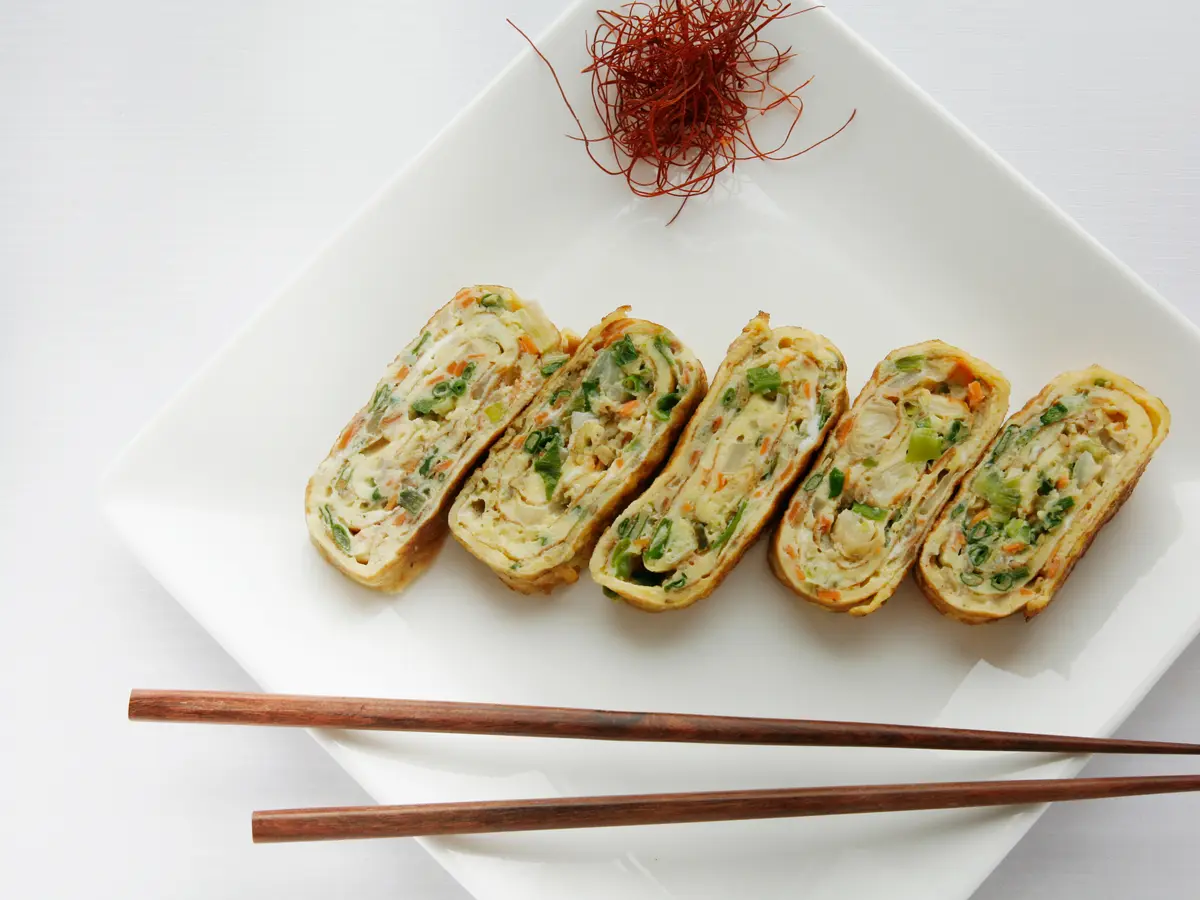
Gyeran Mari (Korean Rolled Omelette)
Gyeran mari, the Korean rolled omelette: eggs and finely chopped vegetables cooked in thin layers and rolled up. Low heat, one pan, no special tools.
22 min
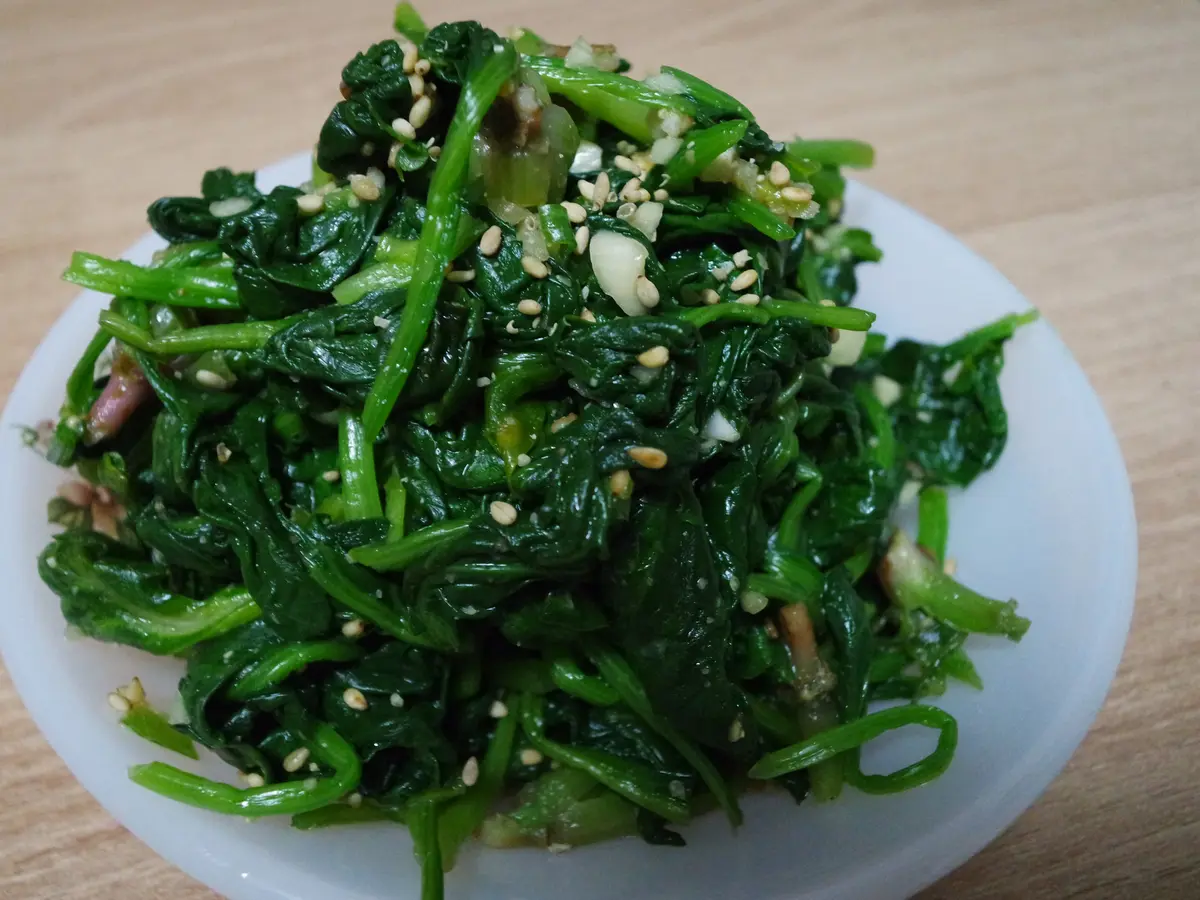
Korean Spinach Side Dish (Sigeumchi Namul)
Korean spinach side dish (sigeumchi namul): blanched spinach squeezed dry and tossed with garlic, sesame oil and soy sauce. Ready in 15 minutes.
15 min
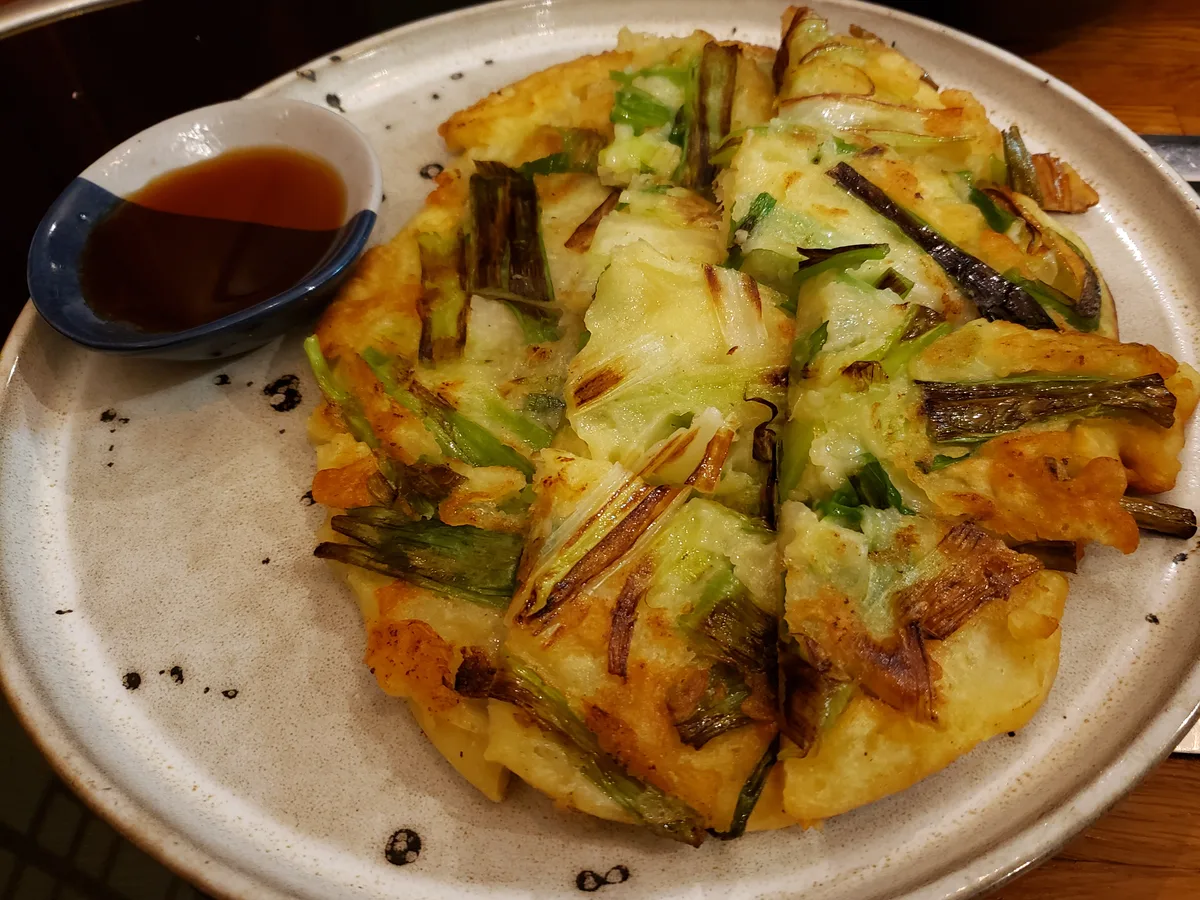
Pajeon (Korean Scallion Pancake)
Crispy Korean scallion pancake (pajeon) made with flour, ice water and a big bunch of green onions, plus a quick soy dipping sauce. About 25 minutes.
25 min