Miyeok Guk (Korean Seaweed Soup)
Prep 35 min · Cook 40 min · Serves 4 ·
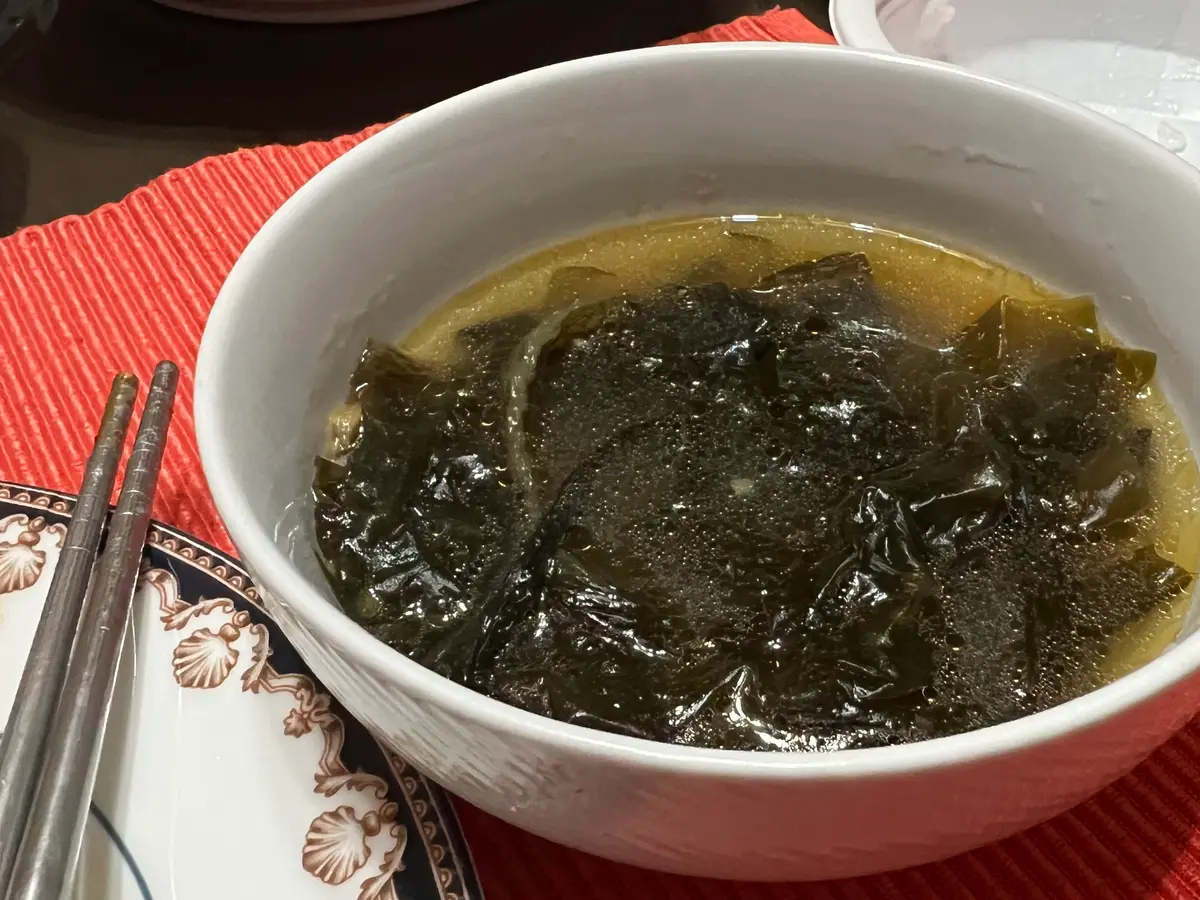
Miyeok guk (pronounced mee-yuk gook) is a clear Korean soup made from miyeok, the dried seaweed that is sold in English as wakame. Beef is stir-fried in sesame oil with the softened seaweed and garlic, then simmered in water until the broth turns mellow, nutty and slightly silky. It is gentle, not spicy, and tastes like the sea and a little like beef stock. It is also Korea's birthday soup. Many Koreans eat a bowl on their birthday to honor their mother, and new mothers traditionally eat it every day for weeks after giving birth. This recipe uses dried miyeok from a Korean or Asian grocery store (or the seaweed shelf of a well-stocked supermarket), and the notes cover soaking, soup soy sauce, and seafood and vegan versions.
Recipe
Miyeok Guk (Korean Seaweed Soup)
Prep 35 min · Cook 40 min · Serves 4
Ingredients
- 1/2 oz (15 g) dried miyeok (dried wakame), about 1/2 cup loosely packed
- 4 oz (115 g) beef brisket, sirloin or stew beef, thinly sliced against the grain into bite-size pieces
- 1 tbsp toasted sesame oil
- 3 garlic cloves (about 15 g), minced
- 1 1/2 tbsp guk-ganjang (Korean soup soy sauce), or 1 tbsp regular soy sauce plus extra salt to taste
- 6 cups (1.4 liters) water, plus more for soaking
- 1 tsp fish sauce, optional
- Fine salt, to taste
- Plain steamed short-grain rice, for serving
Instructions
- 1Put the dried miyeok in a large bowl and cover it with plenty of cold water, at least 4 cups (1 liter), because it swells to about 8 to 10 times its dry size. Soak for 20 to 30 minutes, until it is soft and dark green.
- 2Drain the miyeok and rinse it under cold running water, rubbing it gently to wash off any grit and the slippery coating. Squeeze out the extra water with your hands. Cut it into pieces about 2 to 3 inches (5 to 7 cm) long so that it is easy to eat with a spoon. You should have about 2 cups (about 150 g) of soaked seaweed.
- 3If the beef is in large pieces, cut it into thin bite-size slices. Pat the beef dry with paper towels. Mince the garlic.
- 4Heat a medium pot (about 3 quarts / 3 liters) over medium heat. Add the sesame oil and the beef and cook, stirring, for 2 to 3 minutes, until the beef is no longer pink.
- 5Add the miyeok, garlic and soup soy sauce. Stir-fry for 4 to 5 minutes, until the seaweed is coated in the oil and smells nutty. This step builds most of the soup's flavor, so don't skip it.
- 6Pour in the water and fish sauce (if using). Bring to a boil over high heat, skimming off any foam from the surface, then lower the heat to medium-low. Cover the pot partly and simmer for 30 minutes, until the broth looks slightly cloudy and the seaweed is very tender. A longer simmer, up to 45 minutes, gives a richer broth.
- 7Taste the soup and add salt, a little at a time, until it tastes savory. If it tastes flat, add 1/2 tsp soup soy sauce or a pinch of salt, since soup soy sauce brands vary a lot in saltiness. Serve hot in bowls with steamed rice and a few side dishes.
The birthday soup tradition: In Korea, a birthday meal almost always includes a bowl of miyeok guk, known as saengil-guk (birthday soup). The custom links the soup to the mother: women eat miyeok guk after giving birth, and a child eats it on their birthday to remember the day they were born. For this reason, many Koreans say that a birthday without miyeok guk feels incomplete. There is also an exam superstition: because miyeok is slippery, some students avoid the soup on the morning of a big test, afraid that they might slip up. It is a playful belief, not a rule.
Buying and soaking dried miyeok: Look for dried miyeok or dried wakame in bags at Korean and other Asian grocery stores, in Japanese wakame packs, and online. The pieces may be cut short or sold as long folded strands; either works. The most common mistake is soaking too much. A small handful turns into a large bowl, so measure by weight (15 g) rather than by eye, or the soup will turn into seaweed with a little broth. If you soak too much, the extra keeps in the fridge for 2 days in water, or you can add it to a salad or miso soup. Do not soak it for hours, as it turns mushy. Salted wakame sold in the refrigerated section needs only a quick rinse, and it is saltier, so use less soy sauce.
Soup soy sauce (guk-ganjang): This is a lighter-colored, saltier Korean soy sauce made for seasoning soups without turning the broth dark. It is sold in Korean grocery stores, often with the label guk-ganjang or soup soy sauce. If you don't have it, use 1 tbsp regular soy sauce and add salt at the end. The soup will be a little darker, which is fine.
If it doesn't taste right: A thin, watery soup usually means the stir-frying step was skipped or the beef and seaweed were not fried long enough in the sesame oil. A bitter or fishy taste comes from not rinsing the miyeok well, or from too much fish sauce. A very salty soup is easy to fix by adding a splash of hot water. Beef that is tough was usually cut too thick or cut with the grain.
Beef cuts and other proteins: Brisket and shank give the richest broth but need longer simmering, up to 1 hour for tender pieces. Sirloin or stew beef is quicker and still tasty. For a seafood version, replace the beef with 1 lb (450 g) of mussels or clams, scrubbed and with the beards removed. Use 1 tsp sesame oil to cook the garlic and seaweed first, add the water, and add the shellfish in the last 5 to 8 minutes, until the shells open. Discard any that do not open. For chicken, use 4 oz (115 g) boneless thigh and simmer for 20 minutes.
Vegetarian and vegan version: Skip the beef and the fish sauce. Soak 4 dried shiitake mushrooms and a 4-inch (10 cm) piece of dried kelp (dashima or kombu) in the water for 30 minutes, then use that water for the soup and slice the shiitake into the pot. Check the soup soy sauce label for fish or other animal ingredients, because some brands add seafood extracts. For gluten-free soup, check that your soy sauce has no wheat.
A note on iodine: Seaweed is naturally high in iodine. It is a normal part of Korean cooking, but if you have a thyroid condition or are advised to limit iodine, ask your doctor about how much seaweed soup is right for you.
Storage and reheating: Refrigerate leftover soup in a covered container for up to 3 days. The seaweed keeps soaking up the broth, so the soup thickens; add a splash of water when reheating. In Korea, miyeok guk often tastes better the next day. Freeze it for up to 1 month without the rice.
What to serve with it: Steamed short-grain rice is traditional, and many Koreans spoon the rice right into the soup. Add a few simple side dishes, such as Korean Spinach Side Dish and Korean Cucumber Salad, and for a birthday spread, Japchae and Beef Bulgogi. If you like soups with more punch, try Doenjang Jjigae or Sundubu Jjigae.
Related Recipes
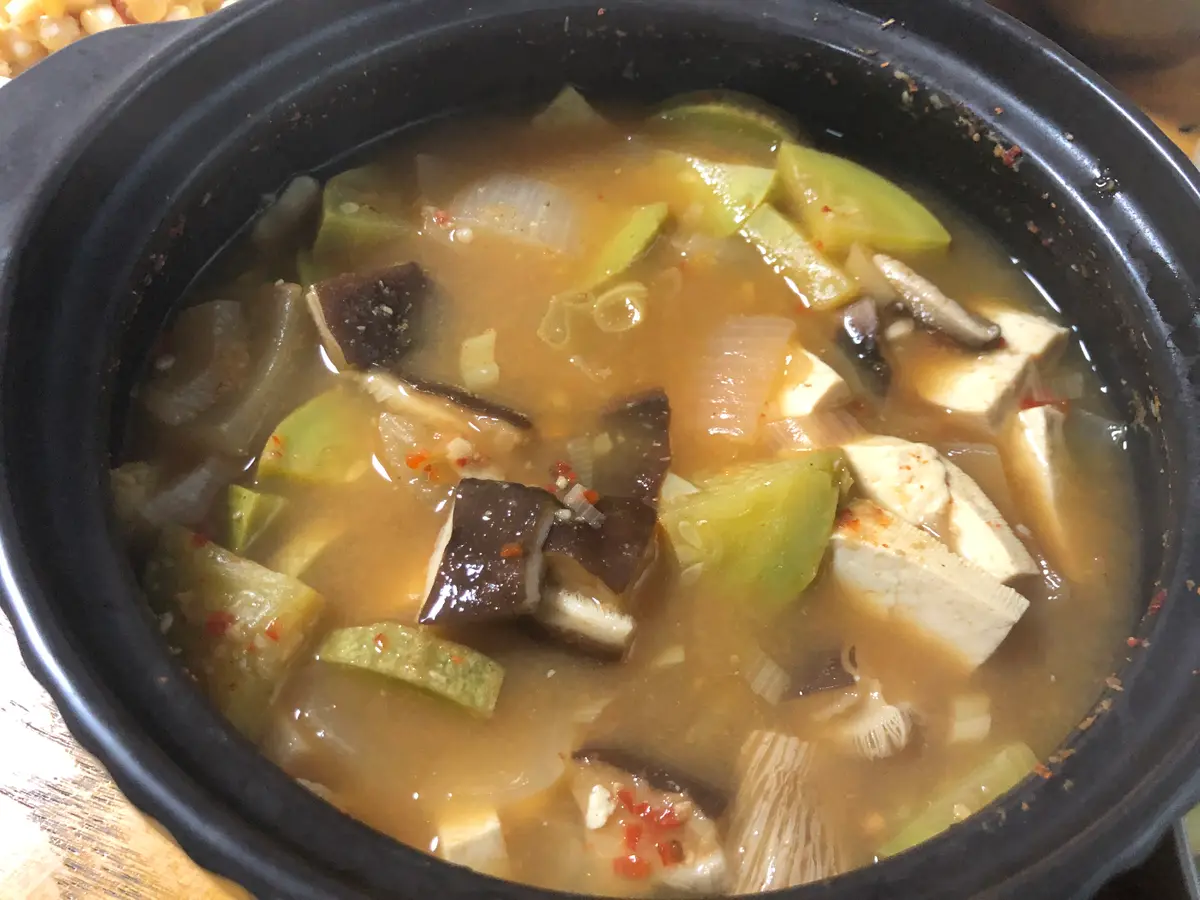
Doenjang Jjigae (Korean Soybean Paste Stew)
Doenjang jjigae recipe for beginners: tofu, potato and zucchini in a savory Korean soybean paste broth, with doenjang vs. miso tips and a vegan version.
55 min
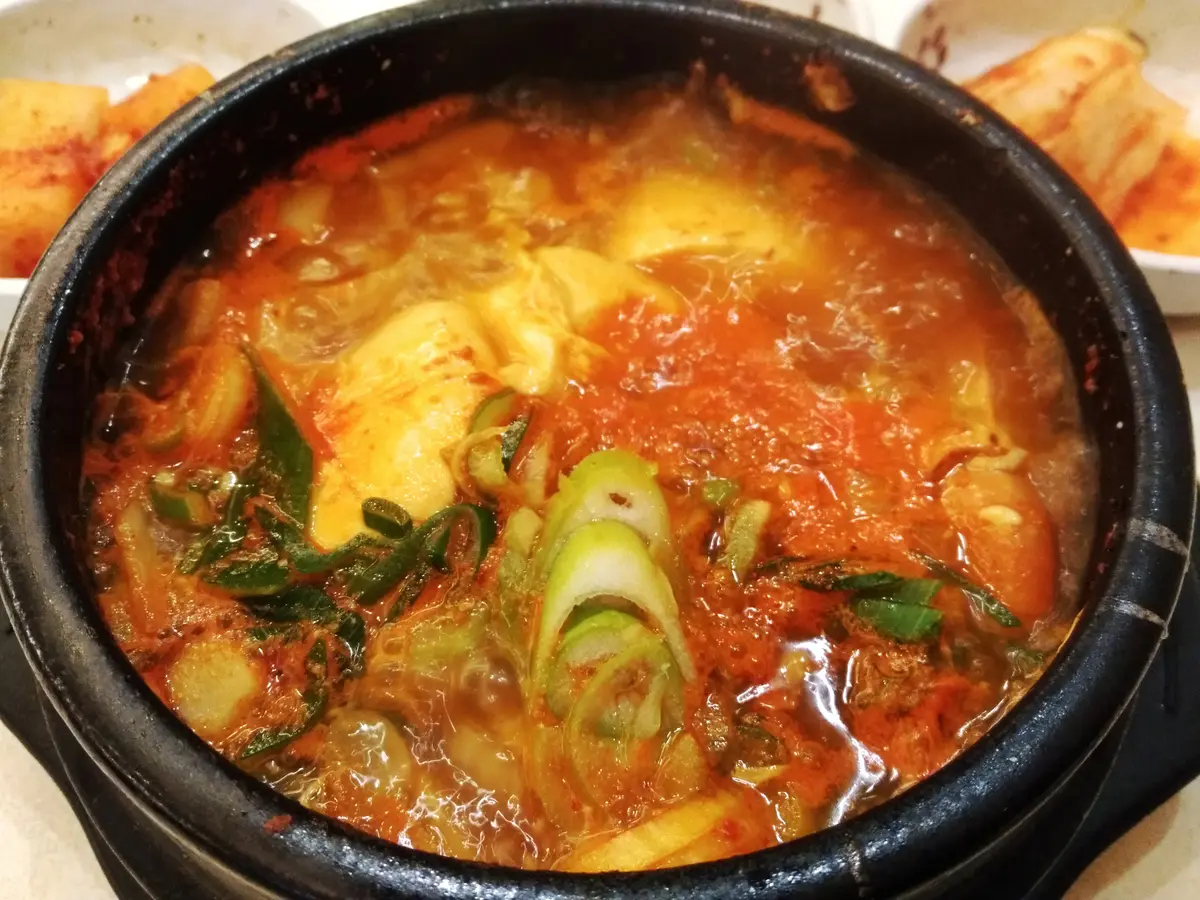
Sundubu Jjigae (Korean Soft Tofu Stew)
Easy sundubu jjigae recipe: silky soft tofu in a spicy red broth with pork and an egg cracked in at the end. Seafood, vegetarian and mild options included.
40 min
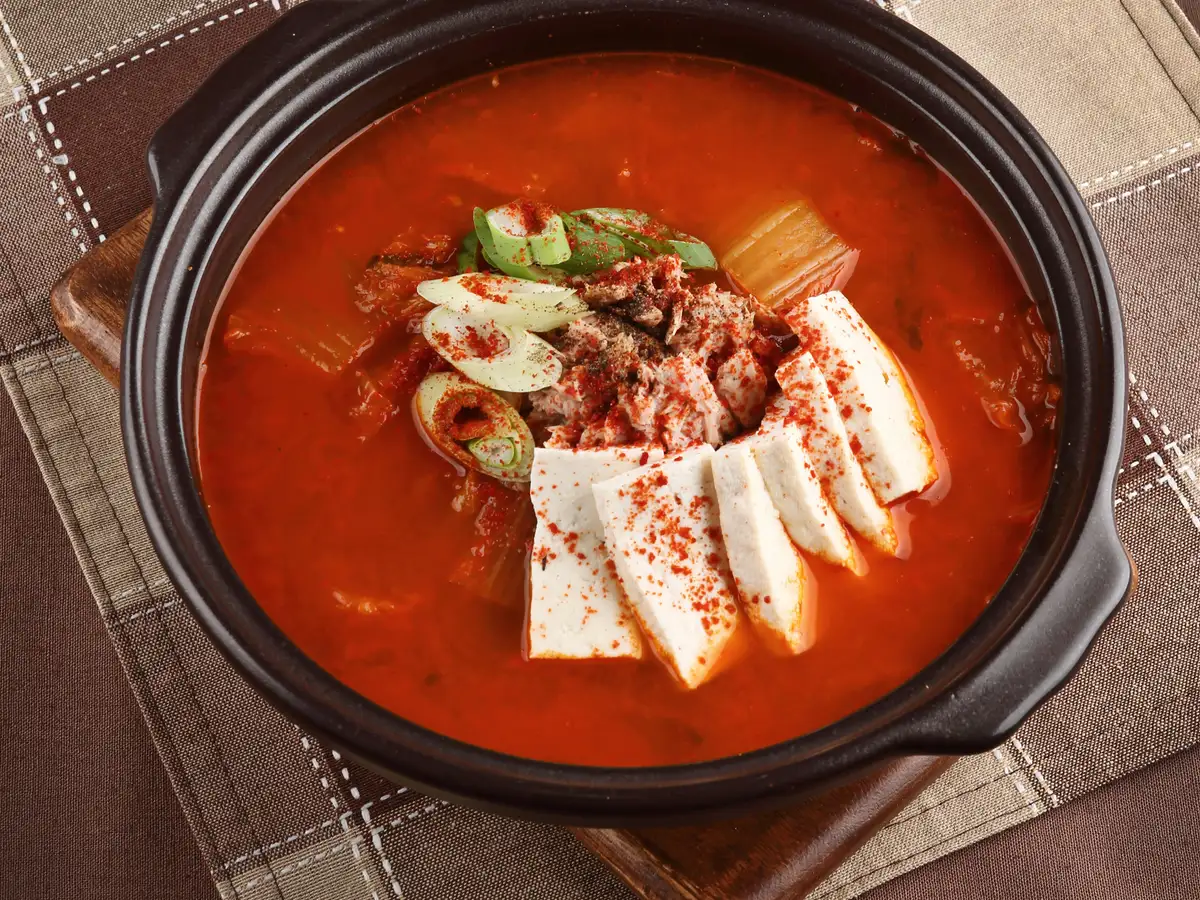
Kimchi Jjigae (Kimchi Stew)
A warming, savory Korean kimchi stew with pork belly and tofu — the ultimate comfort food, ready in under 40 minutes.
35 min