Soegogi Muguk (Korean Beef and Radish Soup)
Prep 20 min · Cook 55 min · Serves 4 ·
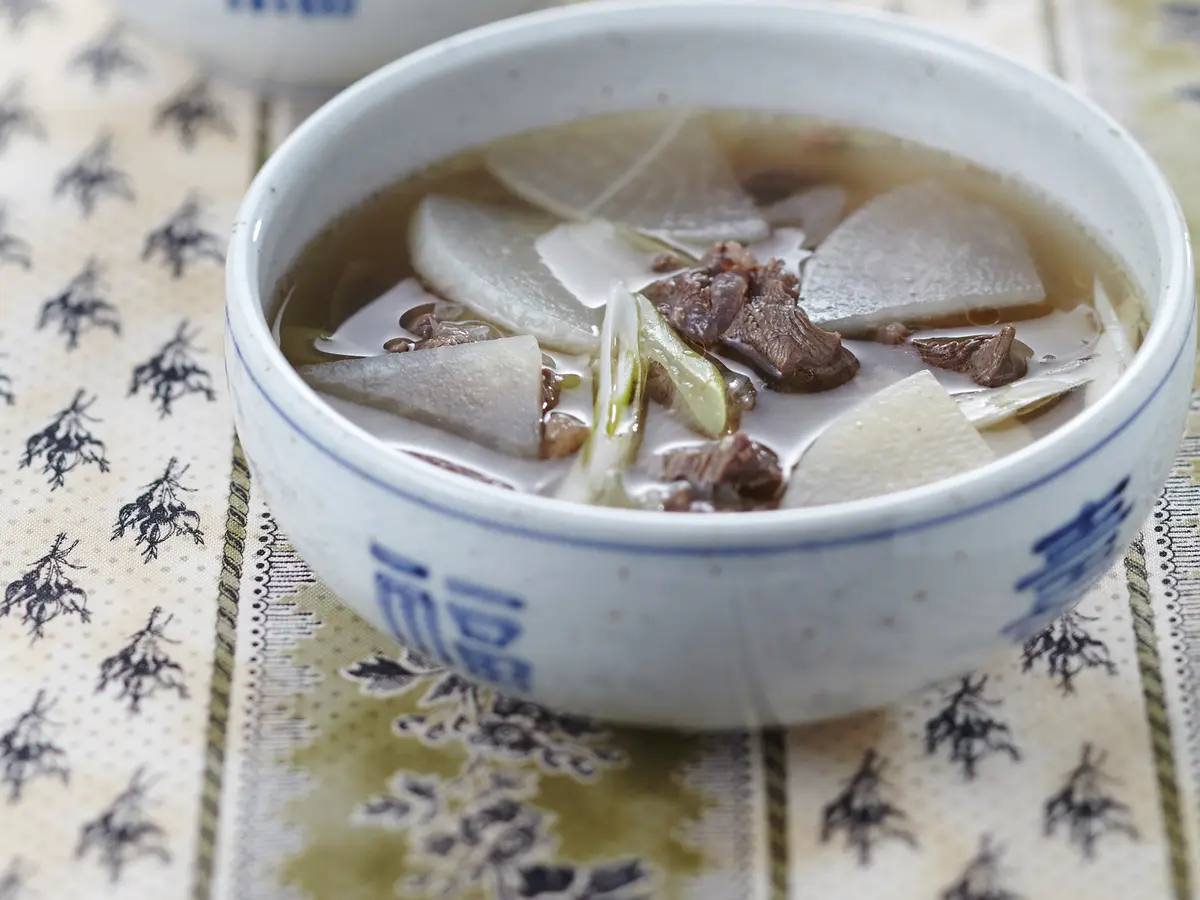
Soegogi muguk (pronounced sweh-goh-gee moot-kook, and also written sogogi muguk) is a clear Korean soup of thin beef slices and soft chunks of radish in a light, savory broth. Soegogi means beef, mu is Korean radish and guk means soup. The beef and radish are stir-fried in toasted sesame oil first, which adds a nutty aroma, and then simmered in water until the radish turns tender and slightly see-through. The soup is not spicy. It tastes mild and meaty, and the radish soaks up the broth. In Korean homes it is an everyday soup served with rice and a few side dishes. Daikon from a regular supermarket works in place of Korean radish. It takes about 75 minutes, including 30 to 40 minutes of hands-off simmering, and the notes cover choosing the beef, keeping the broth clear, a spicy version and safe storage.
Recipe
Soegogi Muguk (Korean Beef and Radish Soup)
Prep 20 min · Cook 55 min · Serves 4
Ingredients
- 8 oz (225 g) beef brisket or chuck, sliced against the grain about 1/4 inch (6 mm) thick, then cut into 1 1/2-inch (4 cm) pieces
- 1 lb (450 g) Korean radish (mu) or daikon, about 4 cups once peeled and sliced
- 1 tbsp toasted sesame oil
- 4 garlic cloves (about 20 g), minced
- 1 1/2 tbsp guk-ganjang (Korean soup soy sauce), or 1 tbsp regular soy sauce plus extra salt to taste
- 6 cups (1.4 liters) water
- 2 scallions (green onions, about 30 g), thinly sliced on the diagonal
- Fine salt and ground black pepper, to taste
- Plain steamed short-grain rice, for serving
Instructions
- 1Rinse the radish and the scallions under cool running water, then peel the radish with a vegetable peeler. Cut it crosswise into slices about 1/4 inch (6 mm) thick. If a slice is wider than about 2 inches (5 cm), cut it into halves or quarters, so that all the pieces are bite-size and cook at the same speed. You should have about 4 cups. Mince the garlic and slice the scallions, and keep the scallions in a small bowl for the end. Finish all of this before you touch the raw beef.
- 2Trim any thick lumps of hard fat from the beef. If it is in one piece, slice it against the grain into pieces about 1/4 inch (6 mm) thick and 1 1/2 inches (4 cm) wide. Chilling the beef in the freezer for 30 minutes first (not counted in the prep time) makes thin slicing much easier. Pat the beef dry with paper towels, then wash your hands, the knife and the cutting board with hot, soapy water.
- 3Heat a large pot (about 4 quarts / 4 liters) over medium heat. Add the sesame oil and the beef and cook, stirring, for 2 to 3 minutes, until the beef is no longer pink on the outside. It does not need to brown.
- 4Add the radish and stir-fry for 3 to 4 minutes, until the pieces look glossy and slightly see-through at the edges. Add the garlic and the soup soy sauce and stir for 30 seconds, until fragrant. This short stir-fry gives the soup a deeper, nuttier flavor than boiling everything in plain water would.
- 5Pour in the water, turn the heat to high and bring to a boil, which takes about 6 to 8 minutes. When gray foam rises to the surface, skim it off with a large spoon or a fine mesh strainer. Keep skimming for the first few minutes of boiling, until hardly any new foam forms. This step keeps the broth clear.
- 6Lower the heat to medium-low, so that the surface bubbles gently, and set the lid on the pot with a small gap. Simmer for 30 to 40 minutes, until the radish is soft and translucent (slightly see-through) and a piece of beef is tender when you bite it. Stir only once or twice, because softened radish breaks easily. Daikon can soften sooner than Korean radish, so test a piece at 25 minutes. If the beef is still chewy at 40 minutes, simmer up to 10 minutes longer, adding 1/2 cup (120 ml) of water if the liquid falls below the ingredients.
- 7Check the beef. With a spoon, lift out the thickest piece you can find and push an instant-read thermometer into it right away, from the side, so that the tip sits in the middle. It should read at least 145 F (63 C), the USDA minimum for whole cuts of beef (USDA also asks for a 3-minute rest, which beef sitting in hot soup easily meets). Beef that has simmered this long is normally well above that. Then let the piece cool for a moment, cut it open and taste it. It should be tender, with no raw or pink center. Color alone is not a reliable sign, so go by the thermometer and the tenderness together. If the piece is chewy, keep the pot simmering for 10 more minutes and check again with a fresh piece.
- 8Taste the broth. Add salt 1/4 tsp at a time, stirring and tasting after each addition, until the soup tastes savory but not salty. Because you eat the soup with plain rice, it should be milder than a stew. If it turns out too salty, add 1/4 cup (60 ml) of hot water.
- 9Add the scallions and a pinch of black pepper and simmer for 1 minute, then turn off the heat. Ladle the soup into bowls, giving each bowl some beef and radish, and serve hot with rice and side dishes.
Korean radish or daikon: Radish is a staple of Korean cooking, from cubed radish kimchi (kkakdugi) to the yellow pickled radish in Kimbap. Korean radish (mu) is short and stout, often pale green near the top, and dense and firm. Daikon is longer, narrower and white, and it is usually softer and juicier once cooked. Both work in this soup. Daikon is the easier one to find in supermarkets, but it can soften sooner, so test it early. Pick a radish that feels heavy for its size and firm all over, because a light, spongy one tends to taste bland and stringy. The end near the leaves is the mildest part and the pointed tip is the most peppery, so if the tip tastes sharp when you nibble a raw piece, use only the top two-thirds. Small red salad radishes are a sharper, different variety and not a good substitute.
Choosing the beef: Brisket and chuck are good choices for this soup, because their connective tissue softens during a long simmer and leaves the pieces tender and rich. Boneless shank, which Korean cooks also use, takes longer to soften, so plan for extra simmering. At Korean grocery stores, look for beef sold for soup (guk-geori in Korean), or ask a butcher to slice brisket 1/4 inch (6 mm) thick. These cuts are safe to eat once they reach 145 F (63 C), but they are still tough at that point, which is why the soup simmers so much longer. Lean steak cuts such as sirloin cook faster but turn dry and stringy in a long simmer, so if you use one, shorten the simmer to about 20 minutes, or until the radish is soft. Paper-thin hot pot slices overcook quickly, and 1-inch (2.5 cm) stew cubes stay chewy in this time, so slice cubes thinner or plan for a much longer simmer.
Keeping the broth clear: Cook the beef only until it loses its pink color, skim the foam in the first minutes of boiling, and keep the simmer gentle. A hard boil churns the fat into the broth and turns it cloudy and greasy. A cloudy soup is still fine to eat. If oil floats on top at the end, skim it off with a spoon, or lay a folded paper towel on the surface for a second to soak it up.
If it doesn't taste right: A thin, flat broth usually needs more simmering or more salt, so simmer 10 more minutes with the lid off and season again. A sharp or bitter radish taste often comes from the peppery tip of the radish, or from radish that has not cooked long enough, so cook it until it is soft. For more depth next time, simmer a 4-inch (10 cm) piece of dried kelp (dashima or kombu) in the water and lift it out as soon as the pot reaches a boil, or add 1/2 tsp of sugar to round out a bland daikon. Radish that falls apart was sliced too thin, simmered too long or stirred too much. Tough or dry beef was cut too thick, cut with the grain, or came from a lean steak cut that simmered too long.
Soup soy sauce (guk-ganjang): It is saltier and lighter in color than regular soy sauce, so it seasons a clear soup without turning it brown. Korean grocery stores and online shops sell it. If you only have regular soy sauce, use 1 tbsp, expect a slightly darker broth, and finish with salt to taste.
Spicy red version: Many Korean cooks also make a red, spicy version of this soup. At the end of step 4, lower the heat to medium-low, stir in 1 to 2 tbsp of gochugaru (Korean chili flakes) and cook for 30 seconds, then add the water in step 5 and carry on. Use 1 tbsp for mild heat and 2 tbsp for a clearly spicy soup. Chili flakes scorch quickly over high heat. Use Korean gochugaru, because regular crushed red pepper flakes are much hotter; if that is all you have, start with about half as much and taste at the end.
Other variations: For a heartier bowl, add 7 oz (200 g) of cubed firm tofu or a few sliced shiitake or button mushrooms for the last 5 minutes of simmering. Many Koreans also spoon some rice straight into the soup, which turns it into a one-bowl meal.
Dietary notes: This soup contains beef, soy and sesame. Regular soy sauce usually contains wheat, so if you avoid gluten, check the labels of your soy sauce and soup soy sauce for wheat, and look for tamari or a soy sauce labeled gluten-free. Some soup soy sauces also list fish or other seafood extracts, so read the label if you avoid fish or shellfish. Jarred minced garlic and ready-made garlic seasonings can contain added salt, oil or other ingredients, so check those labels too, or mince fresh cloves. For a meatless radish soup, skip the beef. Start by soaking 4 dried shiitake mushrooms and a 4-inch (10 cm) piece of kelp in the 6 cups of water for 30 minutes, then lift out the kelp and slice the mushrooms without their stems. Heat the sesame oil as in step 3, stir-fry the mushrooms and radish as in step 4, pour in the soaking water in step 5, and simmer for 20 to 25 minutes, until the radish is soft. Check every label for fish, shellfish and meat ingredients before serving it to someone who avoids them.
Storage and reheating: Do not leave the pot on the stove to cool. Refrigerate leftovers within 2 hours of cooking (within 1 hour if the room is hotter than 90 F / 32 C); soup that has sat out longer than that should be thrown away. Ladle the soup into shallow containers, with the soup no more than about 2 inches (5 cm) deep, so that it cools quickly; a full pot cools too slowly, even in the fridge. Cover and keep for 3 to 4 days. Reheat in a pot until the soup comes to a boil, which takes it above the 165 F (74 C) that USDA advises for leftovers, then lower the heat. The radish softens a little more each time, and many cooks find the flavor even better the next day. You can freeze the soup for up to 2 months, although radish turns softer and somewhat spongy after thawing. Thaw it overnight in the fridge and reheat it on the stove.
What to serve with it: In a Korean home meal, a mild soup like this sits next to rice and several side dishes (banchan), and it balances the stronger ones. Serve it in individual bowls with plain steamed short-grain rice, Kongnamul Muchim or Korean Spinach Side Dish for a fresh contrast, and Easy Kimchi for tang and heat. Gyeran Jjim adds a soft egg dish, and Beef Bulgogi or Japchae turn it into a bigger meal. For other gentle, clear soups, try Miyeok Guk or Tteokguk, and for a bolder, saltier stew, try Doenjang Jjigae.
Related Recipes
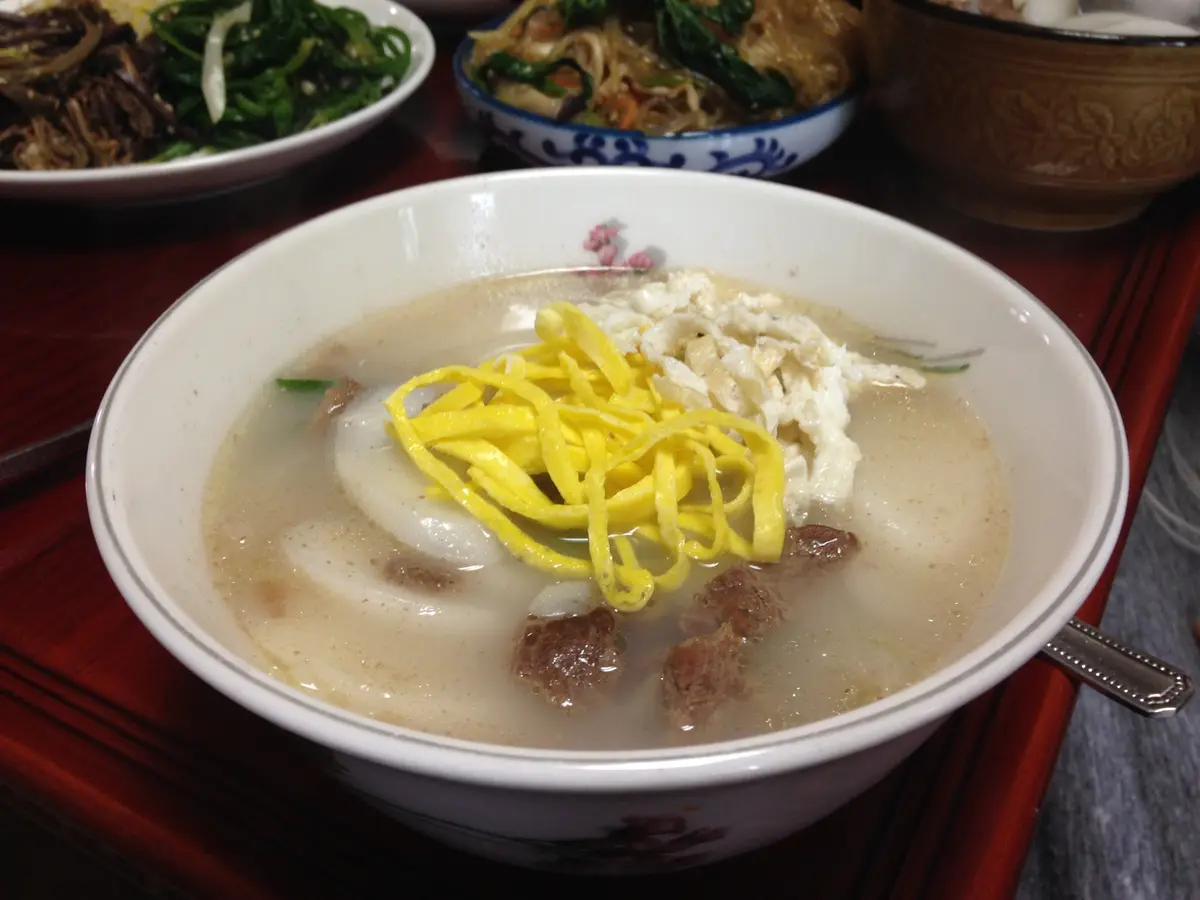
Tteokguk (Korean Rice Cake Soup)
Tteokguk recipe for beginners: Korean rice cake soup with beef broth, egg and seaweed. Learn the Lunar New Year tradition, soaking tips and easy swaps.
85 min
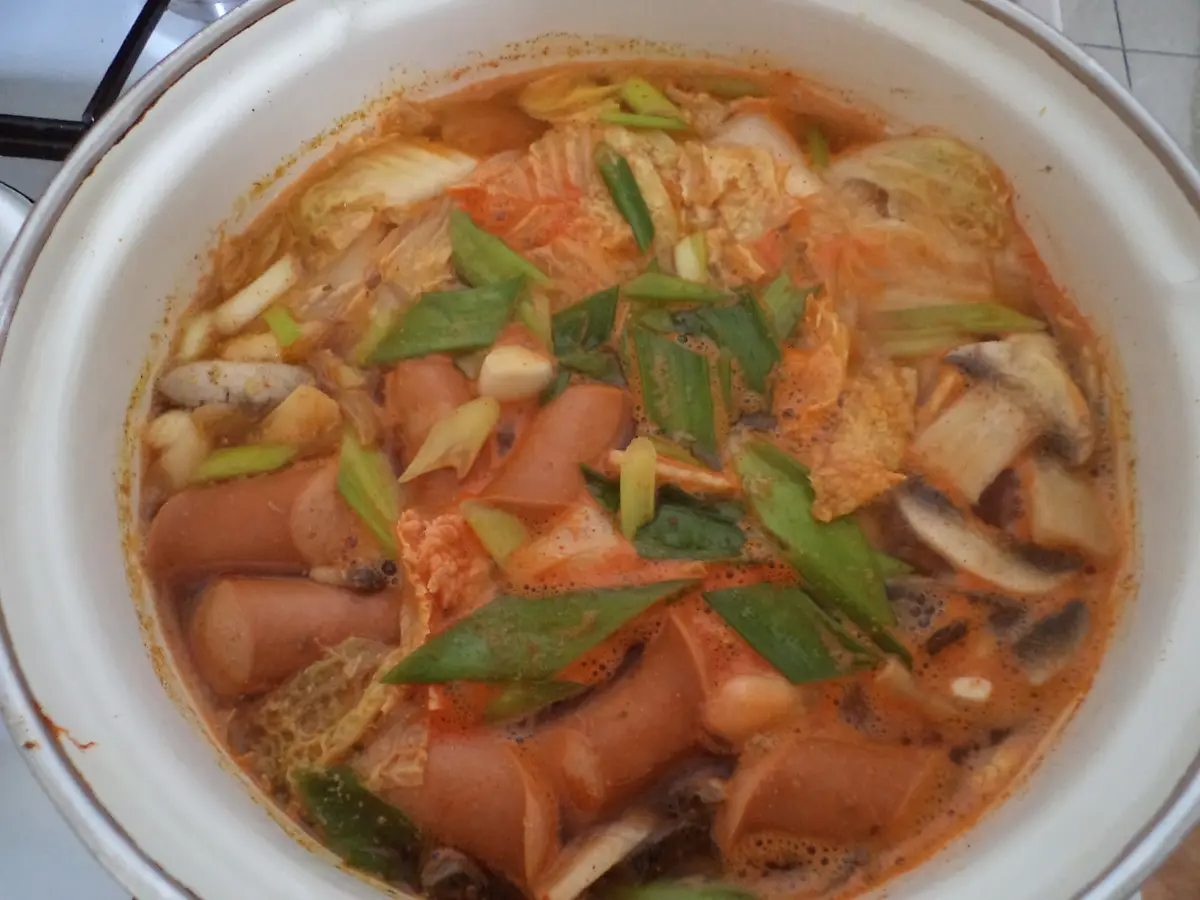
Budae Jjigae (Korean Army Stew with Spam, Ramen and Cheese)
Make budae jjigae, a spicy Korean army stew with kimchi, Spam, sausage, ramen noodles and melted cheese. Easy supermarket ingredients, heat control and fixes.
40 min
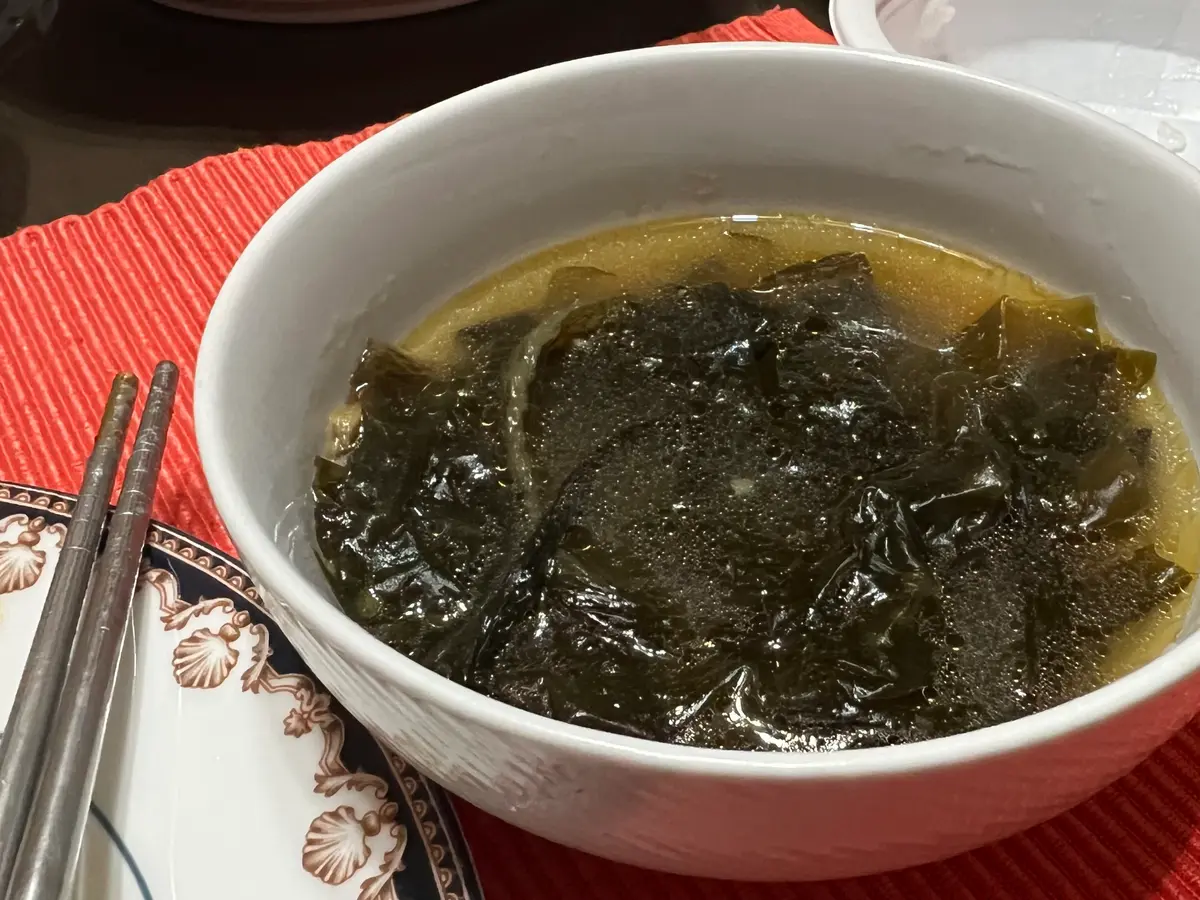
Miyeok Guk (Korean Seaweed Soup)
Miyeok guk recipe for beginners: Korean seaweed soup with beef, sesame oil and garlic. Learn to soak dried wakame, why it is a birthday soup, and easy swaps.
75 min