Tteokguk (Korean Rice Cake Soup)
Prep 40 min · Cook 45 min · Serves 4 ·
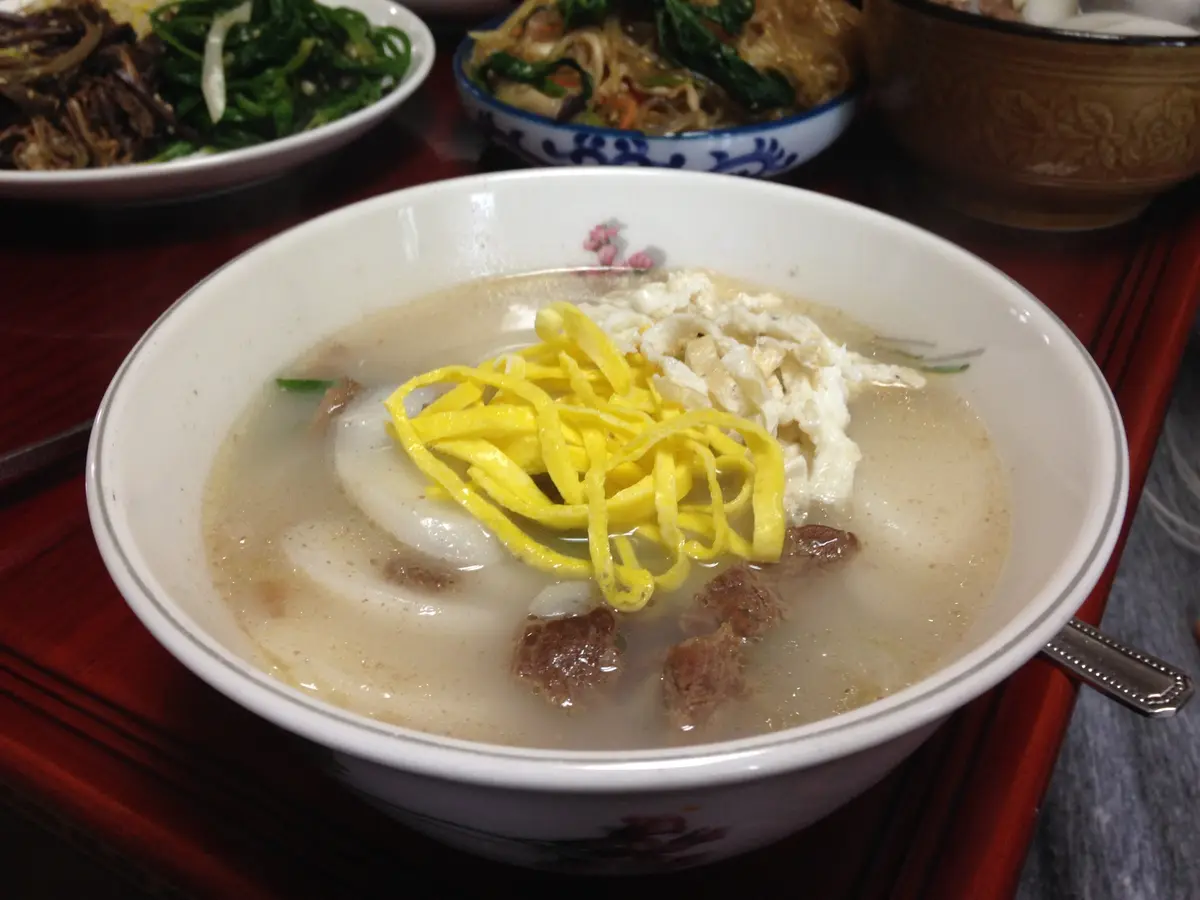
Tteokguk (pronounced tuck-gook) is a mild, clear Korean soup with chewy sliced rice cakes floating in a savory beef broth, topped with egg, scallion and crumbled roasted seaweed. The rice cakes (tteokguk tteok, sliced from long white tubes called garaetteok) are made from rice flour and have almost no flavor of their own, so they soak up the broth and give the bowl a soft, satisfying chew, a bit like thick, tender noodles. It is not spicy at all. In Korea, tteokguk is the traditional meal for Seollal, the Lunar New Year, and eating a bowl is said to make you one year older. This recipe uses beef brisket and sesame oil for a quick but deep broth, and the notes cover how to soak hard or frozen rice cakes, how to keep them from turning mushy, and simple swaps for a vegan version.
Recipe
Tteokguk (Korean Rice Cake Soup)
Prep 40 min · Cook 45 min · Serves 4
Ingredients
- 1 lb (450 g) sliced Korean rice cakes for soup (tteokguk tteok), about 3 cups; fresh, refrigerated or frozen
- 8 oz (225 g) beef brisket, sirloin or stew beef, thinly sliced against the grain into bite-size pieces
- 1 tbsp toasted sesame oil
- 4 garlic cloves (about 20 g), minced
- 8 cups (1.9 liters) water
- 1 1/2 tbsp guk-ganjang (Korean soup soy sauce), or 1 tbsp regular soy sauce plus extra salt to taste
- 1 tsp fish sauce, optional
- 2 large eggs, lightly beaten with a pinch of salt
- 2 scallions (green onions), thinly sliced on the diagonal
- 1 sheet roasted seaweed (gim), crumbled or cut into thin strips
- Fine salt and ground black pepper, to taste
Instructions
- 1Put the rice cakes in a large bowl and cover them with cold water. If they are frozen or very hard, soak for 30 minutes; if they are soft and fresh, rinse and soak for 10 minutes. Drain well. Soaking softens the rice cakes so they cook evenly in a few minutes.
- 2Slice the beef into thin bite-size pieces and pat dry with paper towels. Mince the garlic. Slice the scallions. Beat the eggs with a pinch of salt in a small bowl.
- 3Heat a large pot (about 4 quarts / 4 liters) over medium heat. Add the sesame oil and the beef, and cook, stirring, for 2 to 3 minutes, until the beef is no longer pink. Add the garlic and cook for 30 seconds, until fragrant.
- 4Pour in the water and add the soup soy sauce and fish sauce (if using). Bring to a boil over high heat, then skim off any foam from the surface. Lower the heat to medium-low and simmer, partly covered, for 25 to 30 minutes, until the broth smells rich and the beef is tender.
- 5Taste the broth and add salt a little at a time until it tastes savory. Season the broth now, because the rice cakes will not add any salt of their own.
- 6Raise the heat to medium-high and bring the broth to a steady boil. Add the drained rice cakes and stir once. Cook for 4 to 6 minutes, until they float to the top and feel soft and chewy when you bite one. Sliced rice cakes that are still hard in the middle need another minute or two.
- 7Lower the heat to medium. Slowly pour the beaten egg in a thin stream over the surface of the soup, then let it set for 20 seconds before stirring gently once, so that the egg forms soft ribbons instead of clouding the broth.
- 8Turn off the heat. Ladle the soup into bowls and top each one with scallions, crumbled seaweed and a pinch of black pepper. Serve right away while the rice cakes are at their best.
Why tteokguk is the Lunar New Year soup: On Seollal, Korean families traditionally start the day with a bowl of tteokguk. Traditionally, the long white rice cake cylinders are said to stand for a long life, the white color for purity and a fresh start, and the sliced coin shapes for good fortune. These meanings are popular traditions rather than one fixed rule, and families explain them in different ways. There is a famous saying: if you eat a bowl of tteokguk, you become a year older. Koreans still joke about it when a child asks for a second bowl. Traditionally everyone gained a year on Seollal rather than on their own birthday, though since June 2023 Korea's official legal age follows the international system, counting from birth. The bowl is also a mild, comforting dish, so many people eat it in winter even outside the holiday.
Buying the right rice cakes: Look for "sliced rice cake for soup" or "tteokguk tteok" at Korean and many Asian grocery stores, in the fridge or freezer section. The slices are oval and about 1/8 inch (3 mm) thick. Do not use the thick cylinder rice cakes made for tteokbokki unless you slice them thinly on the diagonal first; whole cylinders stay hard in the middle. If you can only find the long white tubes (garaetteok), cut them into thin diagonal slices about 1/8 inch (3 mm) thick.
How to keep the rice cakes from getting mushy: Add the rice cakes only after the broth is seasoned and boiling, and serve right after they float and turn chewy. Rice cakes keep softening in hot liquid, so do not let the pot sit on the stove. If you are making the soup ahead for guests, cook the broth in advance and add the rice cakes at the last moment. Rice cakes that stay hard or chalky are usually not soaked long enough, and ones that fall apart have usually simmered for too long.
If it doesn't taste right: A thin, plain broth usually means the beef was not cooked in the sesame oil first, or the simmer was too short. Add a little more soup soy sauce or salt, and simmer 10 more minutes. A cloudy broth with a lot of foam comes from skipping the skimming step or from pouring in the egg too fast. A very salty soup can be fixed with a splash of hot water. If the broth tastes greasy, chill it for 10 minutes and skim off the fat on top, or use a leaner cut like sirloin.
Traditional garnishes: In Korea, the egg is often made into thin yellow and white sheets (jidan), cooked separately and cut into thin strips, which gives the bowl its neat look. The egg ribbon method here is a quicker version for weeknights. The bowl in the photo on this page shows that style: yellow and white egg strips, with no scallion or seaweed. For an extra-festive bowl, add a few strips of jidan on top, plus some lightly seasoned ground beef with soy sauce and sesame oil.
Tteok mandu guk and other variations: Add 8 to 10 Korean dumplings (mandu) to the pot with the rice cakes for tteok mandu guk, simmering until the dumplings float and are heated through, usually 5 to 7 minutes for frozen ones. For chicken, use 8 oz (225 g) boneless chicken thigh and simmer the broth for 20 minutes. For a spicy version, stir in 1 tsp gochugaru (Korean chili flakes) with the garlic. You can also stir in a handful of spinach or sliced zucchini in the last minute.
Vegetarian and vegan version: Skip the beef, fish sauce and egg (or keep the egg for vegetarian). Soak 4 dried shiitake mushrooms and a 4-inch (10 cm) piece of dried kelp (dashima or kombu) in the water for 30 minutes, then simmer for 15 minutes and use that water as your broth, slicing the shiitake into the pot. Use a little extra sesame oil and salt to make up for the missing beef flavor. Check the labels on the soup soy sauce and the roasted seaweed for fish or other animal ingredients, because some brands add seafood extracts. For gluten-free soup, check that your soy sauce has no wheat, and read the label of your rice cakes, since a few brands add wheat flour.
Storage and reheating: Tteokguk is best eaten fresh. Refrigerate leftovers within 2 hours of cooking (1 hour if the room is above 90 F / 32 C). Rice cakes soak up the broth and turn soft and swollen overnight. If you have leftovers, keep the broth and rice cakes together in the fridge for up to 2 days, then reheat gently with a splash of water, and expect a softer texture. For meal prep, refrigerate the broth alone for up to 3 days (or freeze it for 1 month), and cook fresh rice cakes in it when you are ready to eat.
What to serve with it: Tteokguk is a full meal on its own, but a few side dishes make it feel like a holiday table. Try it with Korean Spinach Side Dish and Korean Cucumber Salad, or add Kimbap on the side. For a more festive spread, serve Japchae and Beef Bulgogi. If you like the chewy rice cake texture with more heat, try Tteokbokki next, and for another gentle, comforting Korean soup, try Miyeok Guk.
Related Recipes
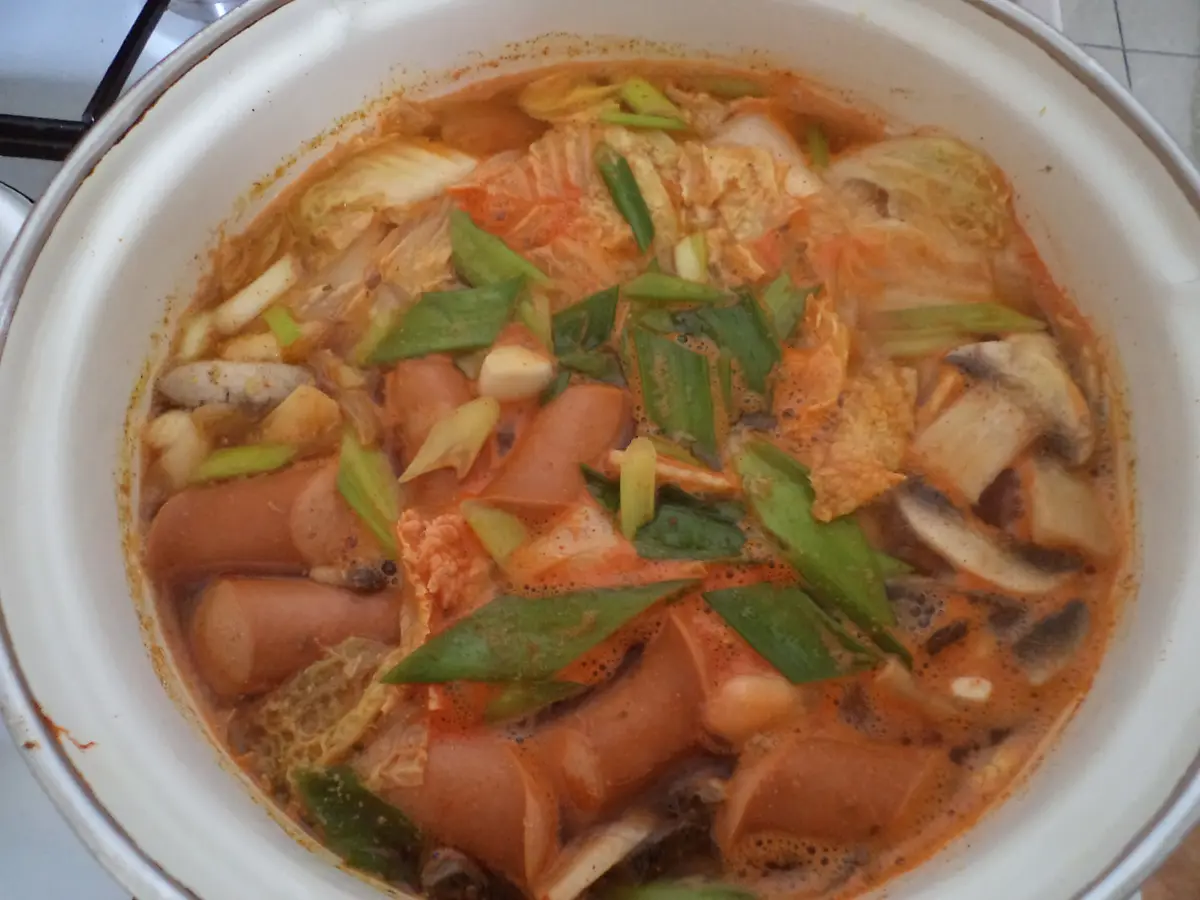
Budae Jjigae (Korean Army Stew with Spam, Ramen and Cheese)
Make budae jjigae, a spicy Korean army stew with kimchi, Spam, sausage, ramen noodles and melted cheese. Easy supermarket ingredients, heat control and fixes.
40 min
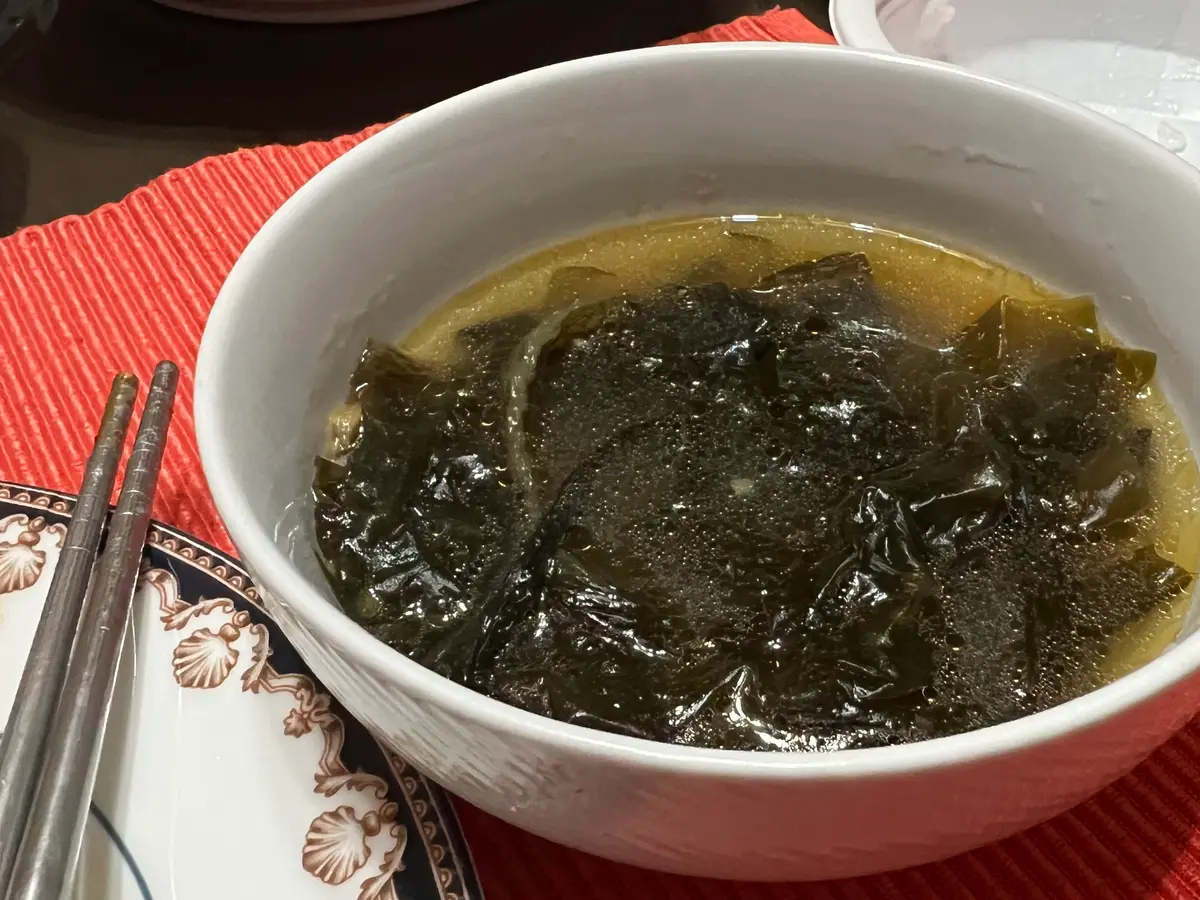
Miyeok Guk (Korean Seaweed Soup)
Miyeok guk recipe for beginners: Korean seaweed soup with beef, sesame oil and garlic. Learn to soak dried wakame, why it is a birthday soup, and easy swaps.
75 min
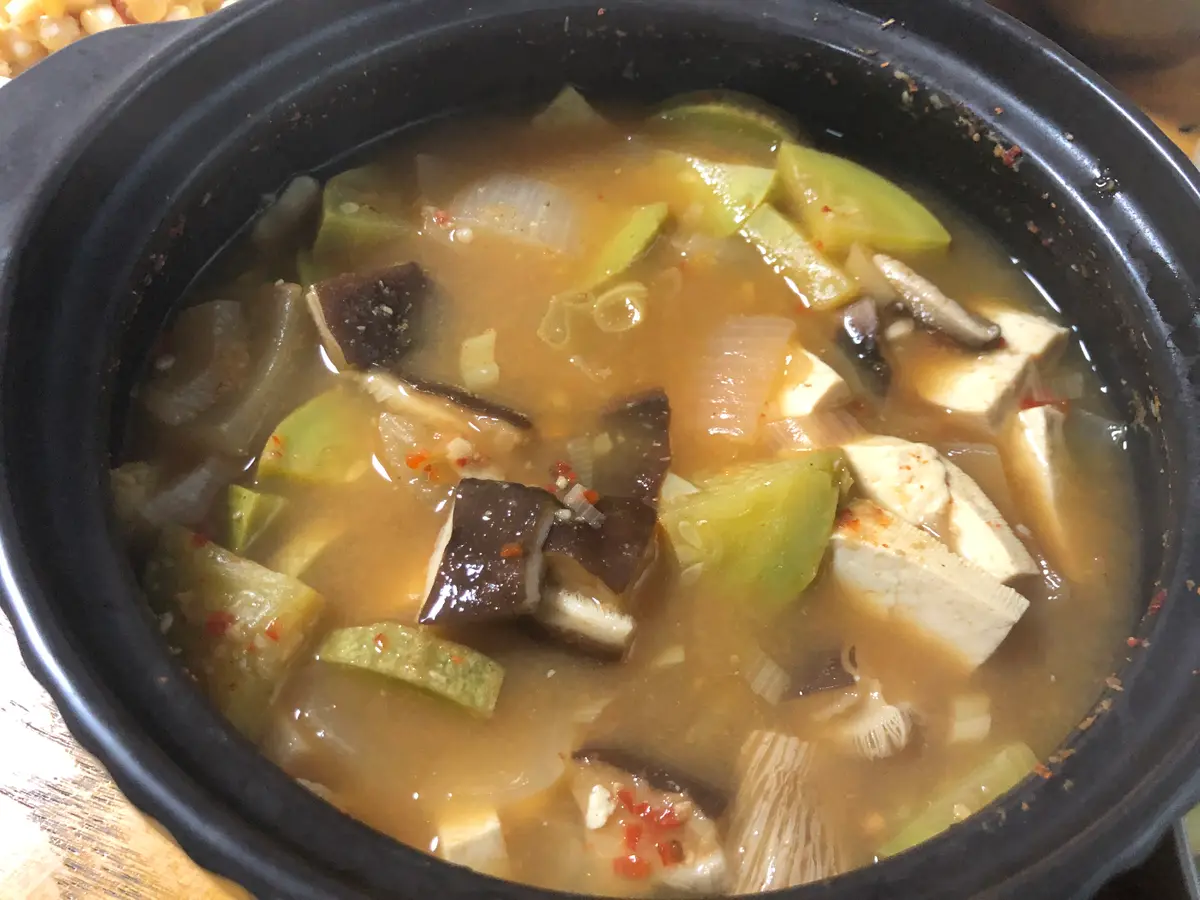
Doenjang Jjigae (Korean Soybean Paste Stew)
Doenjang jjigae recipe for beginners: tofu, potato and zucchini in a savory Korean soybean paste broth, with doenjang vs. miso tips and a vegan version.
55 min