Pajeon (Korean Scallion Pancake)
Prep 10 min · Cook 15 min · Serves 4 ·
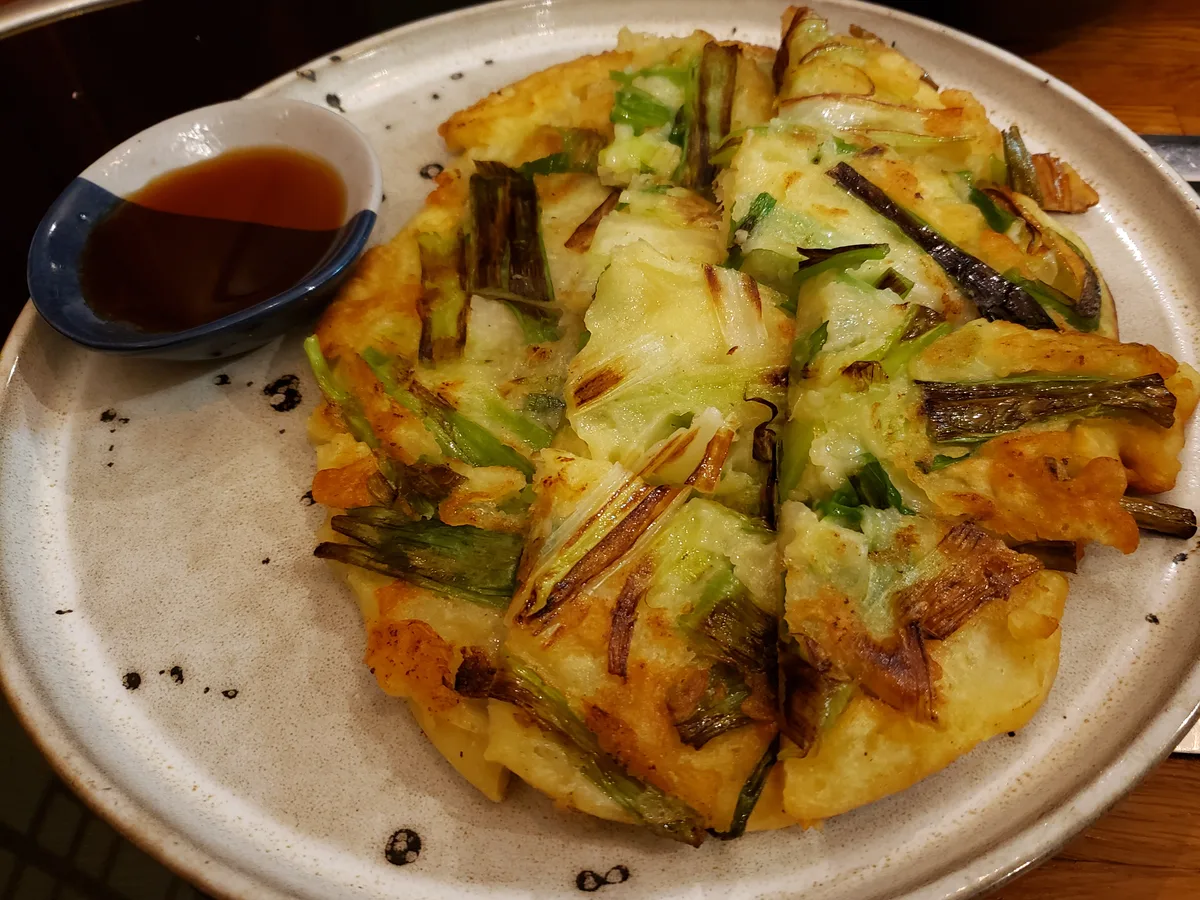
Pajeon (pronounced pah-jun) is a thin, savory Korean pancake packed with whole lengths of scallion. Pa means green onion, and jeon is the family name for foods coated in a simple batter and pan-fried in oil. A good pajeon is mostly scallions held together by just enough batter, with lacy, crisp edges and a soft, chewy center. Cut into squares and dipped in a tangy soy sauce, it is served as a side dish, a snack or something to share with drinks. In Korea, jeon and rainy days go together, and plenty of people crave pajeon with a bowl of makgeolli (milky rice wine) when it pours. This basic version needs only flour, water, salt and scallions. The notes below the recipe cover the usual problems: a soggy or doughy pancake, one that breaks when you flip it, and swaps for gluten-free or spicier versions.
Recipe
Pajeon (Korean Scallion Pancake)
Prep 10 min · Cook 15 min · Serves 4
Ingredients
- 1 cup (125 g) all-purpose flour
- 2 tbsp (about 18 g) potato starch or cornstarch (optional, for a crisper pancake)
- 1/2 tsp (3 g) fine salt
- 3/4 cup (180 ml) ice-cold water, plus 1 to 2 tbsp more if needed
- 1 large egg (optional; see the notes)
- 1 large bunch scallions (green onions), about 8 to 10 or 150 g
- 1/3 cup (80 ml) neutral oil such as vegetable, canola or sunflower, divided
- 1 fresh red or green chili, thinly sliced (optional, for heat and color)
- For the dipping sauce: 2 tbsp (30 ml) soy sauce
- For the dipping sauce: 1 tbsp (15 ml) rice vinegar or apple cider vinegar
- For the dipping sauce: 1 tbsp (15 ml) water
- For the dipping sauce: 1/2 tsp (2 g) sugar
- For the dipping sauce: 1/4 tsp gochugaru (Korean chili flakes), optional
- For the dipping sauce: 1/2 tsp toasted sesame seeds (optional)
Instructions
- 1Make the dipping sauce first so the sugar has time to dissolve: stir the soy sauce, vinegar, water, sugar, gochugaru and sesame seeds together in a small bowl. Set it aside.
- 2Wash the scallions and dry them very well with a kitchen towel, because water clinging to them makes the oil spit and the pancake soggy. Trim off the roots and any wilted tips.
- 3Cut the scallions into lengths that fit across your skillet, about 4 to 5 inches (10 to 12 cm) for a 10-inch (25 cm) pan. If the white ends are thicker than a pencil, slice them in half lengthwise so they cook as fast as the green parts.
- 4In a mixing bowl, whisk the flour, potato starch (if using) and salt. Add the ice-cold water and the egg (if using) and whisk just until no dry flour remains; a few small lumps are fine. The batter should be about as thick as heavy cream and run off a spoon in a steady stream. If it is thicker, whisk in 1 to 2 tbsp more cold water. Do not keep whisking after it comes together.
- 5Add the scallions to the batter and turn them gently with your hands or tongs until every piece is coated.
- 6Heat a 10-inch (25 cm) nonstick or well-seasoned cast-iron skillet over medium-high heat. Add 2 tbsp of the oil and swirl it over the whole surface. The oil is hot enough when a drop of batter sizzles and bubbles right away.
- 7Lift half of the coated scallions out of the bowl, letting the extra batter drip back in, and lay them side by side in the pan, all pointing the same way. Spread them into a round or square layer about 1/4 inch (6 mm) thick. Spoon a little of the remaining batter over any gaps so the scallions are joined, but keep the layer thin. Scatter half of the sliced chili on top, if using.
- 8Cook without moving it for 3 to 4 minutes, until the edges look golden and lacy and the top no longer looks wet in most places. Gently shake the pan; if the pancake slides freely, it is ready to turn.
- 9Flip the pancake with a wide spatula. If it feels too big to flip, slide it onto a large plate, cover it with a second plate, turn the plates over, then slide it back into the pan. Drizzle about 2 tsp of oil around the edge of the pancake and press it gently with the spatula so the whole surface touches the pan.
- 10Cook the second side for 3 to 4 minutes, until golden brown and crisp. For extra-crisp edges, flip once more and cook the first side for another 30 to 60 seconds.
- 11Move the pancake to a cutting board or a wire rack set over a plate. Do not stack it on another pancake or cover it, because trapped steam softens the crust.
- 12Wipe out any burnt bits, then cook the second pancake the same way with the remaining scallions, batter and oil. Cut the pancakes into squares or wedges with a knife or kitchen scissors and serve hot with the dipping sauce.
Why pancakes turn out soggy or doughy: This is the most common problem, and it usually comes down to too much batter. Pajeon should be mostly scallions with a thin film of batter between them, not a thick pancake with scallions inside; lift the scallions out of the bowl and let the extra batter drip off before they go into the pan. Other causes are a pan that is not hot enough (the batter should sizzle the moment it lands), too little oil (jeon is shallow-fried, not dry-cooked, so the oil is what makes the crust), and covering the pan with a lid, which traps steam. Ice-cold water helps too: cold batter stays thin and develops less gluten, which keeps the pancake crisp instead of bready. Mix the batter just before cooking for the same reason.
If it falls apart or burns: A pancake that tears when you flip it usually was not cooked long enough on the first side, or there were not enough scallions touching each other to hold it together. Wait until the edges are golden and the pan-side is firm, and use the plate trick in step 9 if a big flip makes you nervous. If the outside is dark brown but the center is still raw and pasty, the heat was too high for how thick the pancake was. Turn the heat down to medium, spread the next one thinner and give it an extra minute per side.
About the egg: Pajeon is often made without egg, and the basic version here works fine without it; the egg adds a little richness and color and makes the pancake slightly easier to flip, but also slightly softer. Without the egg, you may need the extra 1 to 2 tbsp of water to get the batter to a heavy-cream consistency.
Korean pancake mix: Korean grocery stores sell buchimgaru, a seasoned flour mix made for jeon. If you use it, swap it 1:1 for the flour and starch and skip the salt, because it is already seasoned, then add water until you reach the same heavy-cream thickness. Brands differ, so read the package directions and the label for allergens.
Which scallions to use: Ordinary supermarket scallions work well. Korean cooks often use jjokpa, a thin, tender variety sold at Korean grocery stores; if you find it, use it whole without splitting the white ends. Thick scallions can be split lengthwise all the way through so they lie flat. Leeks are not a good swap, because they stay tough in the short cooking time.
Spice level: The pancake itself is not spicy. For heat, add the sliced fresh chili before the first flip, using a jalapeno for mild heat or a Thai chili for a lot more. The gochugaru in the dipping sauce adds only a gentle warmth; leave it out for a completely mild sauce that children usually like.
Gluten-free and vegan: The basic pancake is vegan if you leave out the egg. If you use buchimgaru instead, check its ingredient list for dairy, egg, meat or seafood seasoning, because formulas vary by brand. Wheat flour is the standard, so for a gluten-free version use a gluten-free all-purpose flour blend; the texture will be a little different, so add the water gradually until the batter has the right thickness. Use tamari or a soy sauce labeled gluten-free in the dipping sauce, and if you use buchimgaru, check its label, because it is wheat-based.
Storage and reheating: Pajeon is crispiest right out of the pan. Leftovers keep in an airtight container in the fridge for up to 2 days. Reheat them in a dry or lightly oiled skillet over medium heat for 2 to 3 minutes per side, or in an air fryer at about 350 F (175 C) for 3 to 5 minutes, until hot and crisp again. The microwave warms them but leaves them soft. To freeze, cool the pancakes completely, separate them with parchment, wrap well and freeze for up to 1 month; reheat from frozen in a skillet over medium-low heat, covered for the first few minutes, then uncovered to crisp.
Variations: For haemul pajeon (seafood scallion pancake), scatter about 1 cup (150 g) of small shrimp, chopped squid or a mix over the scallions in the pan before spooning on the last bit of batter, and cook each side a minute or two longer so the seafood cooks through. For a garlic chive pancake (buchujeon), use a bunch of garlic chives, sold at Asian grocery stores, instead of the scallions. Thin matchsticks of carrot or zucchini can be mixed in with the scallions for color, but keep the total amount of vegetables about the same so the batter still holds them together.
What to serve with it: Pajeon is great on its own as a snack, or as one dish in a Korean meal next to a bowl of rice, Easy Kimchi and a stew such as Kimchi Jjigae or Doenjang Jjigae. It also fits on a party spread with Japchae and Korean Fried Chicken. For the classic rainy-day pairing, serve it with chilled makgeolli.
Related Recipes
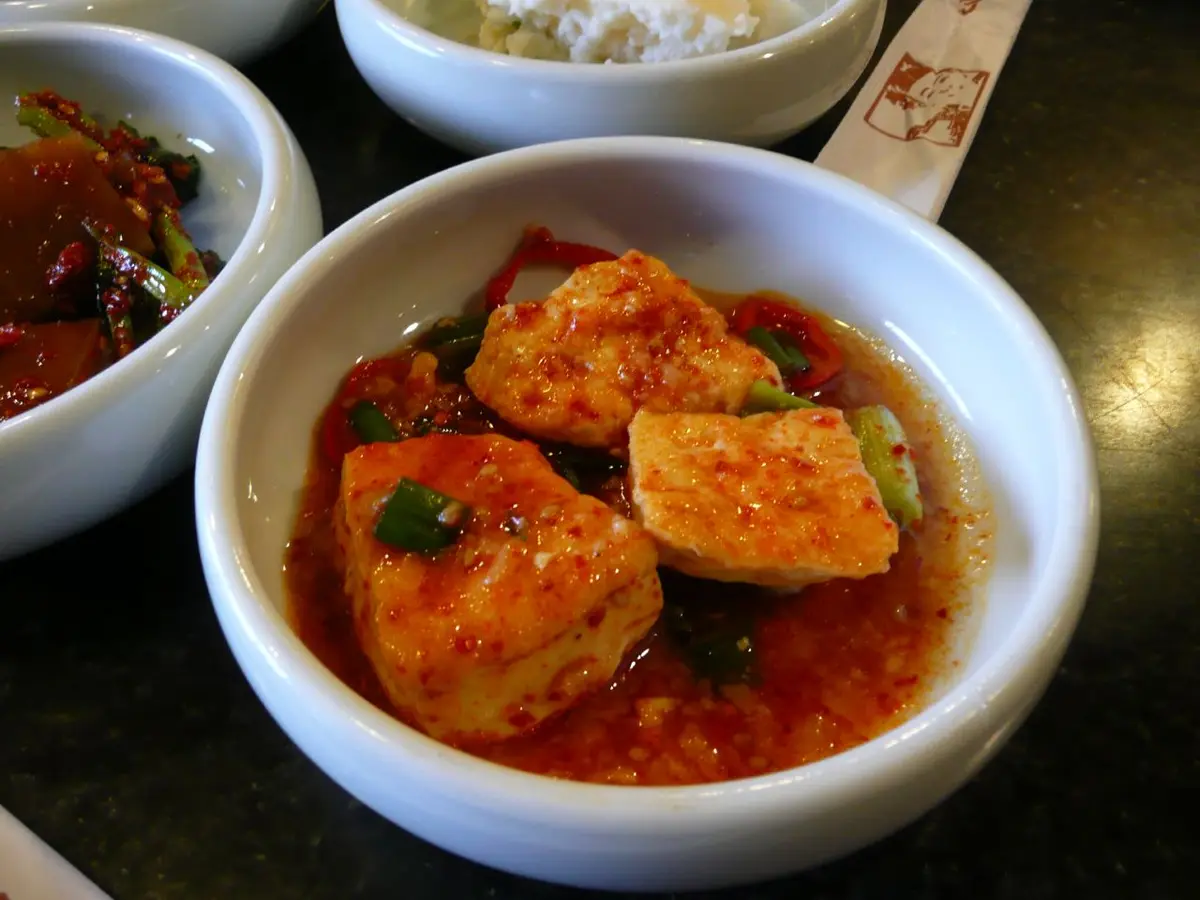
Dubu Jorim (Korean Braised Tofu)
Make dubu jorim, Korean braised tofu pan-fried until golden, then simmered in a garlicky soy and chili sauce. Easy, cheap, with fixes for crumbly tofu.
45 min
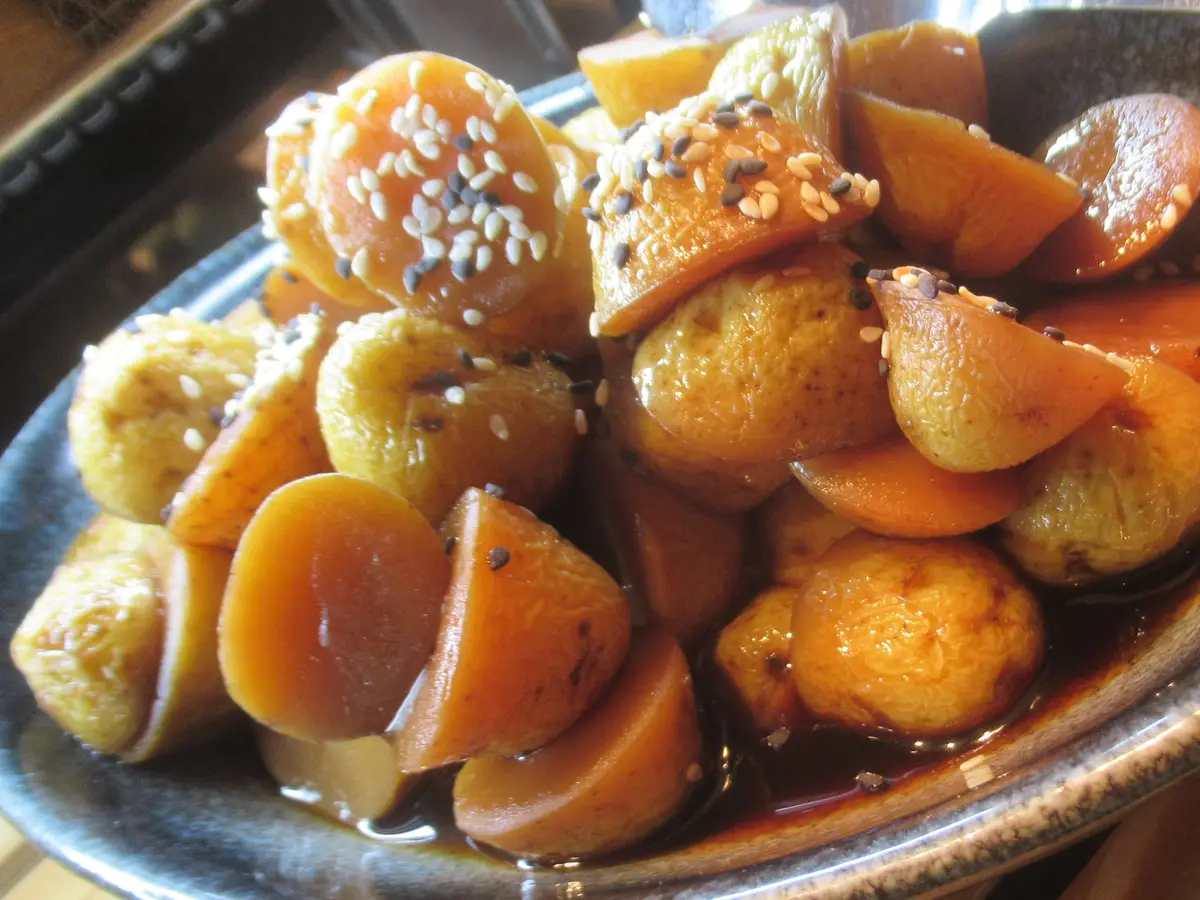
Gamja Jorim (Korean Braised Potatoes)
Make gamja jorim, Korean braised potatoes in a sticky sweet-salty soy glaze. Cheap, easy and lunchbox friendly, with fixes for mushy potatoes and thin sauce.
50 min
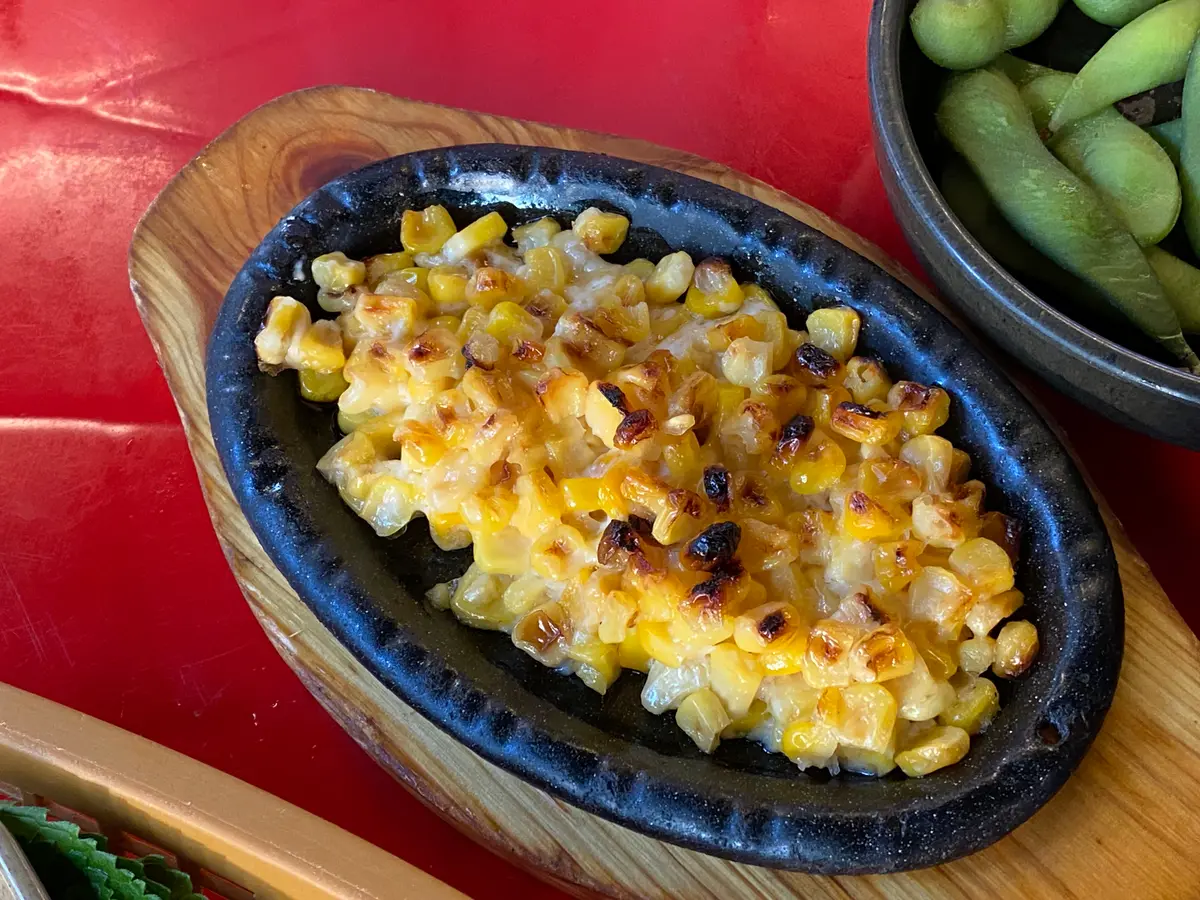
Korean Corn Cheese (Baked Sweet Corn with Mozzarella)
Make Korean corn cheese at home with canned corn, mayo and mozzarella, baked until bubbly. Includes fixes for watery corn and a no-oven option.
25 min