Sundubu Jjigae (Korean Soft Tofu Stew)
Prep 15 min · Cook 25 min · Serves 2 ·
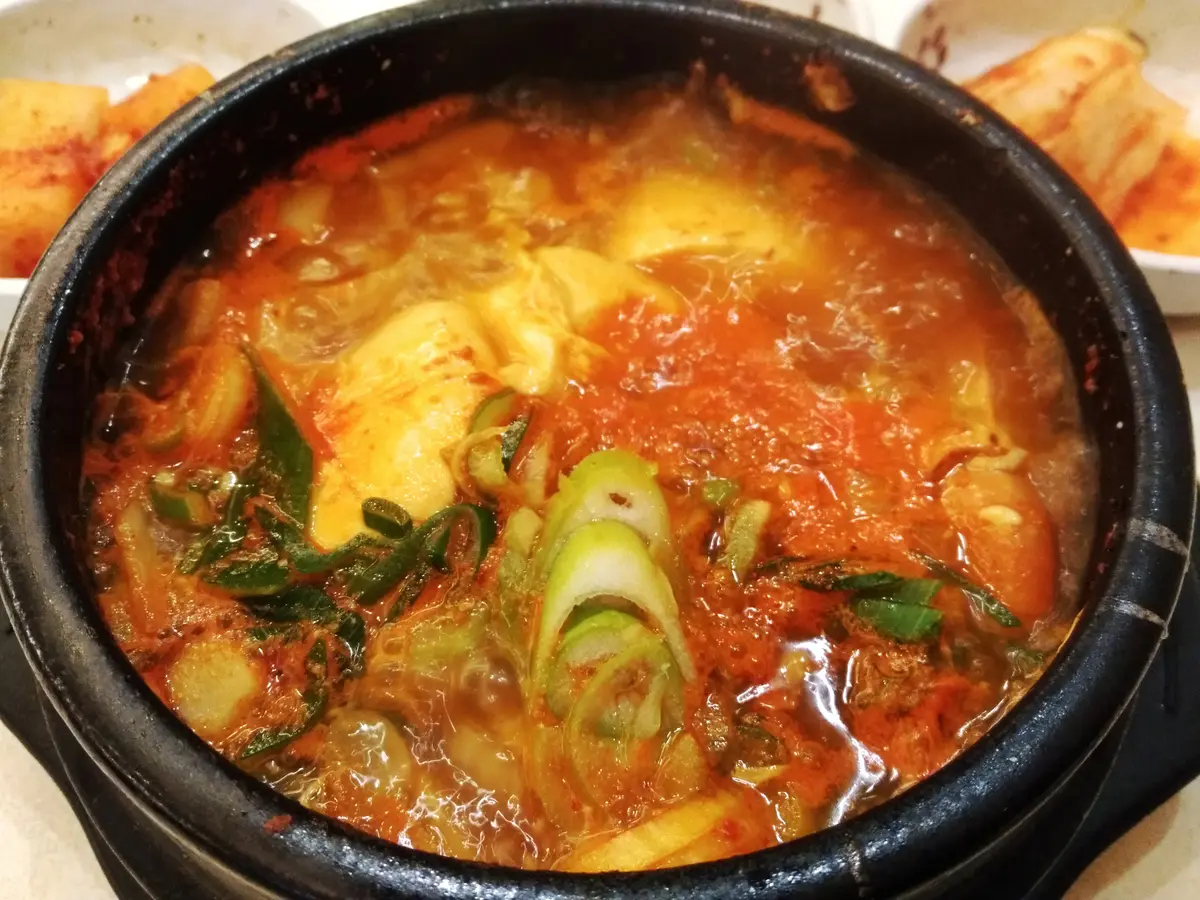
Sundubu jjigae (pronounced soon-doo-boo jee-geh) is a spicy Korean stew made with sundubu, an extra-soft tofu so delicate that you squeeze or spoon it into the pot instead of cutting it. As it simmers, the tofu breaks into silky, custard-like curds that soak up a red broth built on a quick chili oil, garlic and a little pork or seafood. Jjigae means stew, and at Korean tofu restaurants this one usually arrives still boiling in a small earthenware pot, sometimes with a raw egg on the side for you to crack in. At home it takes about 40 minutes and one small pot. This version uses pork, and the notes below the recipe cover seafood and vegetarian swaps, how to use regular silken tofu, and how to make it milder or hotter with gochugaru (Korean chili flakes).
Recipe
Sundubu Jjigae (Korean Soft Tofu Stew)
Prep 15 min · Cook 25 min · Serves 2
Ingredients
- 1 tube Korean soft tofu (sundubu), about 11 to 12 oz (310 to 350 g), or a 12 to 16 oz (340 to 450 g) package of silken or soft tofu
- 4 oz (115 g) pork shoulder or pork belly, thinly sliced into bite-size pieces, or ground pork
- 6 large raw shrimp (about 75 g), peeled and deveined, thawed if frozen (optional)
- 1/2 small yellow onion (about 60 g), finely chopped
- 1/4 medium zucchini (about 50 g), cut into 1/2-inch (1 cm) pieces (optional)
- 2 scallions (green onions, about 30 g), white and green parts separated, thinly sliced
- 3 garlic cloves, finely minced
- 1 tbsp (about 6 g) gochugaru (Korean chili flakes), adjusted to taste (see the spice levels below)
- 1 tbsp (15 ml) neutral cooking oil, such as canola or vegetable
- 1 tsp (5 ml) toasted sesame oil
- 1 1/4 cups (300 ml) anchovy-kelp stock, low-sodium chicken broth or water
- 2 tsp (10 ml) soy sauce
- 1 tsp (5 ml) fish sauce, plus more to taste (or use salt)
- Fine salt and ground black pepper, to taste
- 2 large eggs
- 1 small fresh hot chili, such as Korean cheongyang, jalapeño or serrano, thinly sliced (optional)
Instructions
- 1Chop and measure everything before you turn on the stove, because the chili oil step goes fast. Finely chop the onion, mince the garlic, thinly slice the scallions (keep the white and green parts separate), and cut the zucchini and fresh chili (if using). Cut the pork into thin, bite-size pieces about 1 inch (2.5 cm) long.
- 2Set a small, heavy pot (about 2 quarts / 2 liters) over medium heat and add the neutral oil and sesame oil. Add the pork and cook, stirring, for 2 to 3 minutes, until it is no longer pink on the outside and some of its fat has melted into the oil. If you are using ground pork, break it into small crumbles as it cooks.
- 3Add the onion, scallion whites and garlic. Cook, stirring, for 1 to 2 minutes, until the onion softens and the garlic smells fragrant but has not browned.
- 4Turn the heat down to low; on an electric stove, which cools slowly, lift the pot off the burner instead. Sprinkle in the gochugaru and stir constantly for 30 to 60 seconds, until the oil turns bright red and smells toasty. If the flakes start to darken or smell sharp and burnt, take the pot off the heat at once, because scorched chili flakes make the whole stew bitter.
- 5Pour in the stock, soy sauce and fish sauce (put the pot back on the burner if you lifted it off), and scrape the bottom of the pot to loosen anything stuck to it. Add the zucchini (if using), turn the heat up to medium-high and bring to a boil, then let it bubble gently for 3 minutes.
- 6Add the tofu in large pieces. For tube tofu, cut the tube in half crosswise with a knife or scissors and squeeze each half into the pot. For tofu from a box or tub, pour off the water and scoop the tofu into the pot with a large spoon. Use the edge of the spoon to break it into a few big chunks, but do not stir hard, or it will crumble into tiny bits.
- 7Tuck the shrimp (if using) into the broth around the tofu. Bring the stew back to a boil over medium-high heat (this takes a few minutes because the tofu is cold), then lower the heat to medium and simmer for 3 minutes, until the tofu is hot all the way through, the pork is cooked and the shrimp are pink and opaque.
- 8Taste the broth and season it with salt, a pinch at a time, or a few more drops of fish sauce, plus a pinch of black pepper. It should taste well seasoned, even slightly salty, because the plain tofu and rice will balance it. Scatter the scallion greens and fresh chili (if using) over the top.
- 9With the stew bubbling, crack the eggs into the pot, one on each side. For runny yolks, let the eggs cook over low heat for about 1 minute, until the edges of the whites turn opaque, then turn off the heat and bring the pot straight to the table; the eggs keep cooking in the hot broth. For fully cooked eggs, cover the pot and simmer gently for 5 to 7 minutes, until both the whites and the yolks are firm.
- 10Serve right away with bowls of steamed rice. If you are dividing the stew, ladle one egg into each bowl. Warn everyone that the pot and the broth are very hot.
Tips for getting it right: Most problems with this stew come down to four things. A bitter, burnt taste means the gochugaru scorched, so keep the oil at a gentle sizzle, never smoking. A watery, bland broth usually just needs more salt; the tofu releases water as it heats (undrained boxed tofu adds even more), which is why the final seasoning comes last. Tofu that crumbles into tiny grains was stirred too much or boiled too hard, so nudge it with a spoon instead (it still tastes fine). And if the egg stays raw, the pot cooled too fast; give it another minute over low heat.
Which tofu to buy: Korean soft tofu is sold in plastic tubes in the refrigerated section of Korean and many other Asian grocery stores, labeled sundubu, soondubu, soon tofu or simply soft or extra-soft tofu. Don't mistake it for egg tofu, a yellow tube tofu made with eggs. Sundubu breaks into loose, fluffy curds, which is the texture you get in restaurants. The best substitute is supermarket silken tofu, either refrigerated in a tub or shelf-stable in a small box; choose the softest kind, though firm silken tofu works too. It is smoother and breaks into neater pieces, but it tastes almost the same in the stew. Regular soft tofu (not silken) is a little coarser but fine. Skip firm and extra-firm tofu: they stay in neat cubes, which suits our Kimchi Jjigae but not this stew.
Spice levels for beginners: As written, with 1 tbsp gochugaru, the stew is medium: clearly spicy, but comfortable for most people who like some heat. Gochugaru brands vary in strength, so taste a pinch of yours first. Mild: use 1 1/2 tsp gochugaru and skip the fresh chili; 1 tsp sweet (not smoked) paprika added with it keeps the red color without the heat (not traditional, but handy). Hot: use 2 tbsp gochugaru with 1 tsp extra oil so the flakes don't scorch, and add the fresh chili. No heat: leave out the gochugaru and fresh chili and season with salt and fish sauce only, a non-spicy style sometimes called white sundubu. Too spicy after cooking? Stir in 1/4 to 1/2 cup (60 to 120 ml) stock or water and a pinch of salt.
If you can't find gochugaru: Asian grocery stores and online shops sell it; keep it in the freezer so it stays red and fresh. In a pinch, use 1 tbsp sweet paprika plus 1/4 tsp cayenne for each 1 tbsp gochugaru; these fine powders scorch faster than flakes, so stir them into the oil for only about 15 seconds. Gochujang (Korean chili paste) is not a direct swap, because it makes the broth thicker and sweeter. If it is all you have, skip the chili oil step, stir 1 tbsp gochujang into the stock and leave out the soy sauce.
About the egg: A runny yolk is not fully cooked. U.S. food safety guidelines recommend cooking eggs until both the white and the yolk are firm, especially for young children, pregnant women, older adults and anyone with a weakened immune system. For them, simmer the eggs covered for 5 to 7 minutes as described in the egg step, use pasteurized eggs, or beat the eggs and drizzle them over the simmering stew, where they set into fully cooked ribbons in 1 to 2 minutes.
Choosing your protein: There is no single correct version. Restaurants commonly offer seafood, pork, beef, oyster and mixed versions, and home cooks use whatever they have. Pork is used here because it is easy to find and its fat flavors the chili oil; thinly sliced or ground beef works the same way. For seafood, use about 8 oz (225 g) in place of the pork (just warm the oils and start with the onion) or alongside it. Shrimp, squid rings and thawed frozen seafood mix go in with the tofu; squid turns rubbery if it cooks much longer than the 3-minute simmer. Clams go in with the tofu too. Scrub them, soak sandy ones in cold salted water for about 30 minutes, and throw away any with cracked shells or any that stay open when tapped. Cook until they open, 3 to 5 minutes after the stew boils again, and discard any that stay closed. Clams are salty, so add the fish sauce only after tasting.
Vegetarian, vegan and kimchi versions: Replace the pork with 4 oz (115 g) sliced shiitake or oyster mushrooms and cook them in the oil for about 3 minutes before adding the onion. Use vegetable stock or kelp stock (soak a 4-inch / 10 cm piece of dried kelp in 1 1/2 cups / 360 ml water for 30 minutes, then remove it), and 1 tsp more soy sauce instead of the fish sauce. Leave out the egg for a vegan stew. For kimchi sundubu, a popular home version, add 1/2 cup (about 75 g) chopped sour kimchi with the onion; if you are cooking vegetarian, check the label, since many kimchi brands contain fish sauce or salted shrimp.
Broth options: Korean home cooks often use anchovy-kelp stock (myeolchi yuksu), and Korean grocery stores sell anchovy stock packets that you simmer in water like big tea bags, usually for 10 to 15 minutes. Instant dashi, low-sodium chicken broth or plain water also work; the chili oil, pork and fish sauce still give the stew plenty of flavor.
Equipment and bigger batches: Any small, heavy pot that holds about 2 quarts (2 liters) works. A Korean earthenware pot (ttukbaegi) keeps the stew bubbling at the table. Heat it gradually, never set it down hot on a cold or wet surface, and lift it off the burner before adding the gochugaru, since it holds heat for a long time. To serve 4, double everything, use a 3- to 4-quart (3 to 4 liter) pot and allow a few extra minutes for it to return to a boil.
Storage and reheating: This stew is best eaten fresh. Leftovers keep in an airtight container in the fridge for up to 3 days, but the tofu gets more watery and a cooked egg turns rubbery, so save portions without the egg if you can. Reheat in a small pot until boiling, then add a fresh egg. Freezing is not recommended, because soft tofu turns spongy and crumbly after thawing.
What to serve with it: Steamed short-grain rice is a must; most people take a little rice with each spoonful of stew or spoon the stew over the rice. A small dish of our Easy Kimchi on the side is the classic partner. If you like this stew, try Kimchi Jjigae next, a heartier, sour-spicy stew made with fermented kimchi, pork belly and firm tofu.
Related Recipes
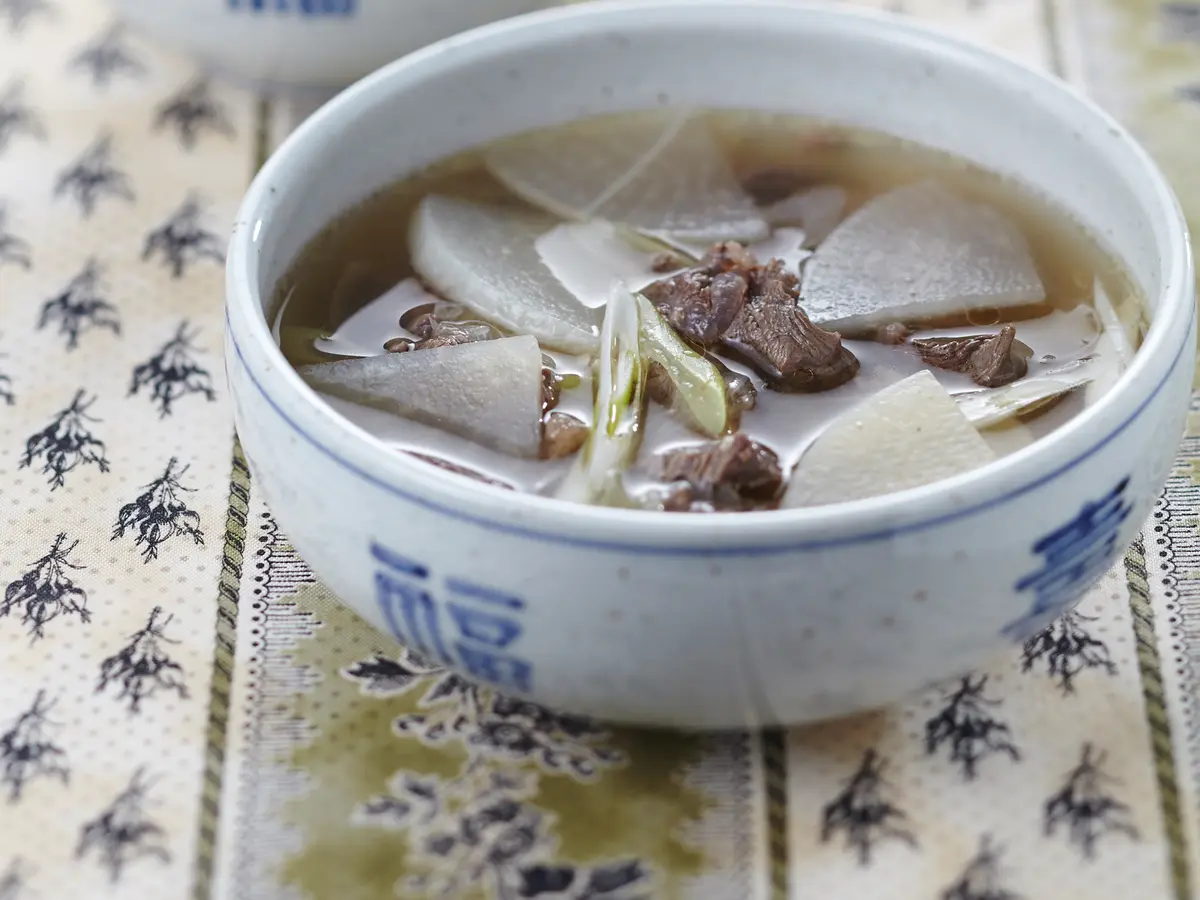
Soegogi Muguk (Korean Beef and Radish Soup)
Soegogi muguk recipe for beginners: a clear, mild Korean beef and radish soup. Learn which beef to buy, how to use daikon and how to keep the broth clear.
75 min
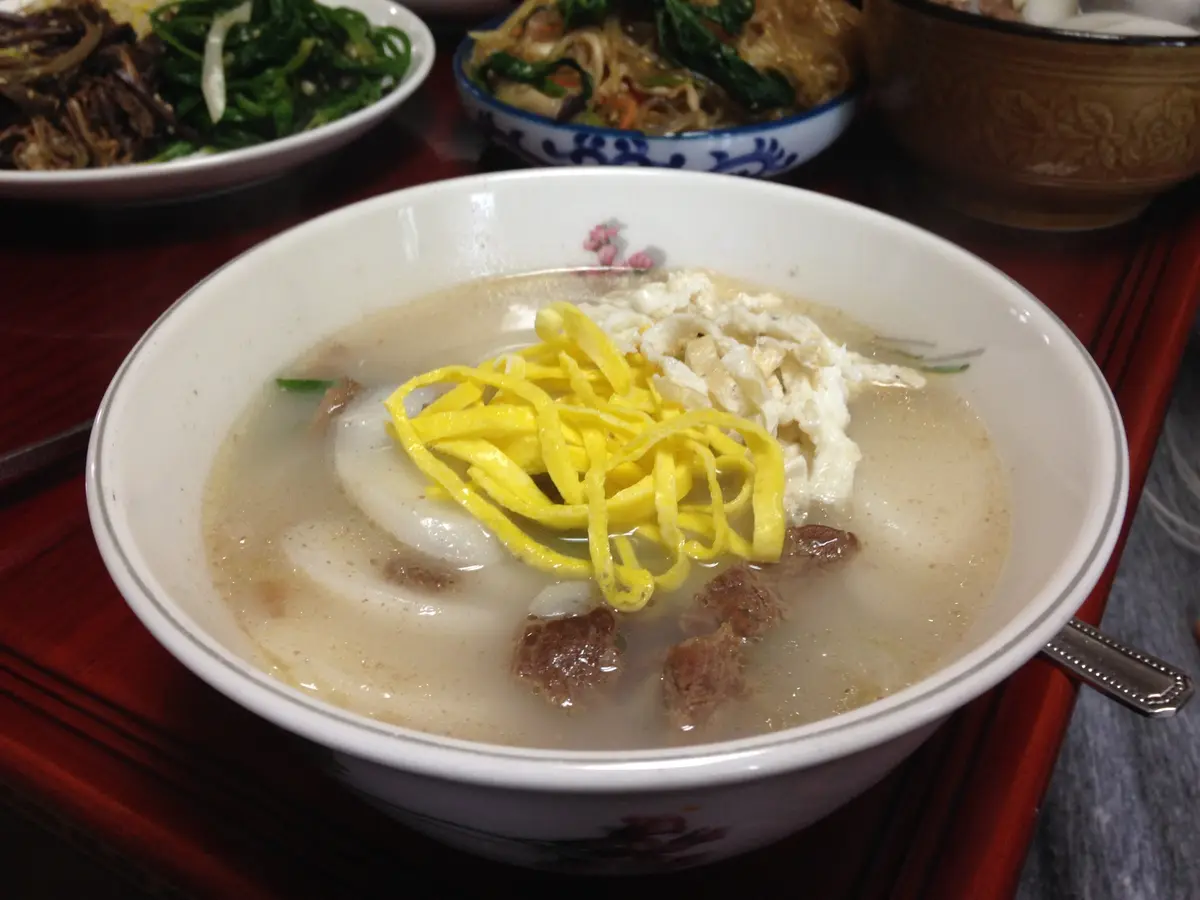
Tteokguk (Korean Rice Cake Soup)
Tteokguk recipe for beginners: Korean rice cake soup with beef broth, egg and seaweed. Learn the Lunar New Year tradition, soaking tips and easy swaps.
85 min
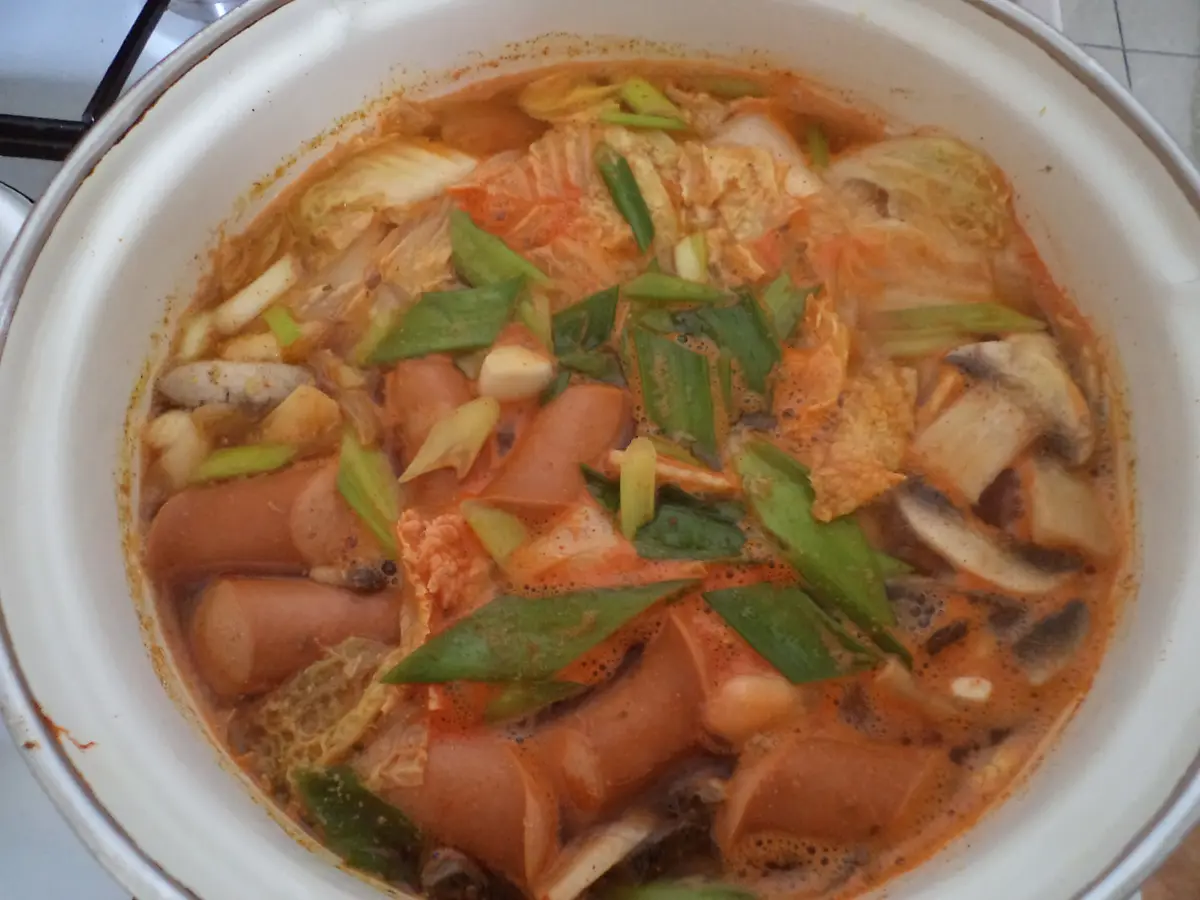
Budae Jjigae (Korean Army Stew with Spam, Ramen and Cheese)
Make budae jjigae, a spicy Korean army stew with kimchi, Spam, sausage, ramen noodles and melted cheese. Easy supermarket ingredients, heat control and fixes.
40 min